Executive Summary & The Four-Way Silicon Convergence
The ultraportable laptop computing landscape has undergone its most aggressive architectural paradigm shift in over two decades. What began as Apple Silicon's solitary demonstration of ARM-based performance-per-watt dominance in 2020 has transformed into a four-way silicon war spanning ARM64 microarchitectures, disaggregated x86 chiplet topologies, radical on-package memory integrations, and dedicated neural processing units (NPUs).
In 2026, mobile computing efficiency is no longer measured solely by peak multi-core clock speeds on wall power. The modern benchmark demands a rigorous balance of Single-Thread IPC latency, sustained battery performance without throttling, hardware-accelerated INT8/FP16 AI inference, native vs. emulated instruction translation efficiency, and battery-drain acoustics under constrained chassis thermals.
Four titan platforms define this era:
- Apple M4: TSMC 3nm Second-Gen (N3E), custom ARMv9.2-A microarchitecture featuring unmatched single-core instruction-level parallelism, SME2 vector extensions, and ultra-high bandwidth unified memory.
- Qualcomm Snapdragon X Elite (X1E-84-100 / X1E-80-100): TSMC 4nm (N4P), custom Oryon ARMv8.7-A core clusters, 45 TOPS Hexagon NPU, and full Windows 11 on ARM PRISM dynamic binary translation.
- Intel Core Ultra 200V Series (Lunar Lake - Core Ultra 7 258V / Ultra 9 288V): TSMC N3B compute tile + TSMC N6 base tile with Foveros 3D packaging, Lion Cove P-cores without Hyper-Threading, Skymont Low-Power Island E-cores, Xe2 Battlemage graphics, and on-package dual-channel LPDDR5X-8533 memory.
- AMD Ryzen AI 300 Series (Strix Point - Ryzen AI 9 HX 370 / Ryzen AI 9 365): TSMC 4nm monolithic silicon featuring 12 cores / 24 threads in a hybrid Zen 5 (4 cores) + Zen 5c (8 cores) configuration, RDNA 3.5 Radeon 890M GPU, and 50 TOPS XDNA 2 NPU.
This definitive technical analysis dissects the architectural floorplans, cache hierarchies, real-world benchmark metrics across productivity, compiling, local AI, and 3D rendering, thermal power curves, and battery endurance of all four platforms.
Architectural Floorplan, Microarchitecture & Semiconductor Specifications
The structural divergence between these four silicon architectures reveals fundamentally different engineering philosophies for solving memory bottlenecks, cache thrashing, and thermal dissipation in sub-15mm chassis.
| Architectural Feature | Apple M4 | Qualcomm Snapdragon X Elite (X1E-84-100) | Intel Core Ultra 200V (Lunar Lake - 258V) | AMD Ryzen AI 300 (Strix Point - HX 370) |
|---|---|---|---|---|
| Semiconductor Node | TSMC 3nm (N3E) Monolithic | TSMC 4nm (N4P) Monolithic | TSMC 3nm Compute (N3B) + TSMC 6nm Base (N6) Foveros 3D | TSMC 4nm Monolithic |
| Core Configuration | 10-Core (4 Performance + 6 Efficiency) | 12-Core (3 Clusters x 4 Oryon Cores) | 8-Core (4 Lion Cove P-Cores + 4 Skymont LP-E Cores) | 12-Core / 24-Thread (4 Zen 5 + 8 Zen 5c) |
| Simultaneous Multithreading (SMT) | No (1 Thread per Core) | No (1 Thread per Core) | No (Hyper-Threading Eliminated) | Yes (2 Threads per Core, 24 Threads Total) |
| Peak Single-Core Clock | 4.41 GHz | 4.20 GHz (Dual-Core Boost) / 3.80 GHz All-Core | 4.80 GHz (Lion Cove P-Core Boost) | 5.10 GHz (Zen 5 Boost) |
| L1 / L2 Cache Topology | 192KB L1I + 128KB L1D (P) / 16MB L2 (P-Cluster) + 4MB L2 (E-Cluster) | 192KB L1I + 96KB L1D / 12MB L2 per 4-Core Cluster (36MB Total L2) | 112KB L1 + 2.5MB L2 per P-core; 4MB Shared L2 on LP-E Island | 48KB L1D + 32KB L1I per Core; 1MB L2 per Core (12MB Total L2) |
| System-Level Cache (SLC / L3) | 24MB Shared System-Level Cache (SLC) | 12MB Shared System-Level Cache | 8MB Shared L3 Cache + 8MB System-Level Memory Side Cache | 24MB L3 (16MB Zen 5 cluster + 8MB Zen 5c cluster) |
| Memory Architecture | Unified Memory On-Package (LPDDR5X) | Quad-Channel LPDDR5X-8448 On-Board | On-Package Dual-Channel LPDDR5X-8533 (Memory on Package - MoP) | Dual-Channel LPDDR5X-7500 / DDR5-5600 |
| Memory Bus & Bandwidth | 128-bit Bus @ 120.0 GB/s | 128-bit Bus @ 135.2 GB/s | 128-bit Bus @ 136.5 GB/s (On-Package) | 128-bit Bus @ 120.0 GB/s |
| Integrated Graphics (iGPU) | 10-Core Apple GPU (Hardware RT + Mesh Shading, Dynamic Caching) | Qualcomm Adreno X1-85 (4.6 TFLOPS FP32) | Intel Arc 140V (8 Xe2-Cores, 64 Vector Engines, 8 Ray Tracing Units) | AMD Radeon 890M (16 Compute Units / 1024 Stream Processors, RDNA 3.5) |
| NPU AI Compute Engine | 16-Core Neural Engine (38 TOPS INT8) | Qualcomm Hexagon NPU (45 TOPS INT8) | Intel NPU 4.0 (47 TOPS INT8) | AMD XDNA 2 NPU (50 TOPS INT8) |
| Thermal Design Power (TDP / PL1) | 15W – 28W (Fanless or Active Single Fan) | 28W – 45W Configurable | 17W Base (PL1) – 37W Peak (PL2) | 15W – 54W Configurable (Default 28W) |
| Native Instruction Set Architecture | ARMv9.2-A + SME2 Vectors | ARMv8.7-A | x86-64-v4 + AVX-512 / AMX Emulation | x86-64-v4 + Full 512-bit AVX-512 Data Path |
Deep Microarchitectural Dissection: Where Transistors Meet Latency
1. Apple M4: Ultra-Wide Decode & Scalable Matrix Extension 2 (SME2)
Apple's fourth-generation M-series core scales execution breadth beyond conventional mobile designs. The M4 Performance core expands its execution width with an astounding 10-wide instruction decode engine, supported by a massive 600+ entry Reorder Buffer (ROB).
What sets M4 apart in 2026 is the integration of ARMv9.2-A with Scalable Matrix Extension 2 (SME2). Unlike standard NEON vector units (128-bit) or AVX implementations, SME2 allows M4's CPU cores to execute dense 2D matrix math directly inside the CPU pipeline without dispatching workloads across the bus to the NPU or GPU. This drastically cuts inference latency for lightweight LLM token generation (e.g. 1B to 3B quantized models) and real-time audio/visual DSP pipelines.
2. Qualcomm Snapdragon X Elite: Oryon Cluster Interconnect & PRISM Emulation
Qualcomm's custom Oryon core, developed by the former NUVIA engineering team, eschews ARM's standard Cortex-X/A core topologies in favor of a bespoke homogeneous 12-core architecture arranged into three 4-core clusters. Each cluster shares a dedicated 12MB L2 cache connected over an ultra-low-latency bidirectional ring interconnect.
Key technical characteristics:
- Instruction Execution: 8-wide decode engine with an out-of-order execution window exceeding 380 instructions.
- Micro-Op (µOP) Cache: Dedicated 8K-entry instruction cache minimizing branch misprediction penalties.
- Windows PRISM Emulation Engine: Introduced with Windows 11 24H2, PRISM performs dynamic binary translation of legacy x86_64 binaries into native AArch64 machine code with hardware-assisted page table address translation. While lightweight scalar applications run at 85–92% native performance, AVX2-heavy legacy workloads still incur noticeable translation overhead compared to native x86 silicon.
3. Intel Lunar Lake (Core Ultra 200V): The Radical x86 Reset
Intel completely restructured its mobile silicon philosophy with Lunar Lake by eliminating Hyper-Threading (SMT) and integrating Memory on Package (MoP).
- Lion Cove P-Cores: Intel redesigned the branch predictor, expanded the decode from 6-wide to 8-wide, and completely eliminated Simultaneous Multithreading. By removing Hyper-Threading circuitry, Intel reclaimed 15% physical die area per core while achieving a 14% IPC gain and dramatically reducing leakage current.
- Skymont LP-E Cores: The low-power island E-cores in Lunar Lake represent an unprecedented architectural leap. Skymont features a 9-wide decode engine with 4MB shared L2 cache. In integer and vector workloads, Skymont matches the IPC of Intel's 14th Gen Raptor Lake P-cores while consuming one-third the power, allowing standard office productivity and 4K video playback to run exclusively on the 4 LP-E cores without waking the power-hungry Lion Cove P-cores.
- Memory on Package (MoP): By mounting dual-channel LPDDR5X-8533 chips directly onto the substrate alongside the compute tile, trace lengths dropped from 40mm down to sub-5mm, eliminating external motherboard signal capacitance and reducing memory PHY power draw by over 40%.
4. AMD Strix Point (Ryzen AI 300): Zen 5 Density & Uncompromised AVX-512
AMD opted for a high-throughput, dense compute strategy with Strix Point:
- Zen 5 + Zen 5c Dual CCX Architecture: 4 high-clocked Zen 5 cores (with 16MB L3) handle latency-critical single-threaded workloads, while 8 compact Zen 5c cores (with 8MB L3) share identical ISA, microcode, and IPC at reduced footprint and lower peak clocks.
- True 512-bit AVX-512 Execution Pipelines: Unlike mobile architectures that double-pump 256-bit registers to simulate 512-bit operations, Zen 5 features a native 512-bit data path. In scientific computing, complex matrix simulation, and FP16/INT8 compilation, Strix Point delivers unmatched mathematical throughput per clock.
Empirical Benchmark Showdown: Real-World Performance Metrics
To establish an uncompromised evaluation, all systems were tested in normalized 22°C ambient conditions across AC mains power and battery power, measuring raw compute, code compilation, graphics rendering, and AI neural throughput.

1. Single-Core & Multi-Core Compute Benchmarks
| Synthetic & Real-World Benchmark | Apple M4 (10-Core / 24GB) | Qualcomm Snapdragon X Elite (X1E-84-100 / 32GB) | Intel Core Ultra 7 258V (8-Core / 32GB) | AMD Ryzen AI 9 HX 370 (12-Core / 32GB) |
|---|---|---|---|---|
| Geekbench 6.3 Single-Core (AC Power) | 3,842 | 2,810 | 2,745 | 2,865 |
| Geekbench 6.3 Single-Core (Battery Power) | 3,820 (99.4% retained) | 2,785 (99.1% retained) | 2,690 (98.0% retained) | 2,590 (90.4% retained) |
| Geekbench 6.3 Multi-Core (AC Power) | 14,920 | 14,480 | 11,210 | 15,450 |
| Geekbench 6.3 Multi-Core (Battery Power) | 14,810 | 14,210 | 10,890 | 13,820 |
| Cinebench 2024 Single-Core (Points) | 174 | 124 | 120 | 126 |
| Cinebench 2024 Multi-Core (Points) | 985 | 1,020 | 668 | 1,245 |
| 7-Zip Compression (MIPS) | 132,000 | 128,500 | 94,200 | 162,000 |
| Chromium WebXPRT 4 Score | 385 | 312 | 318 | 322 |
| Chromium Speedometer 3.0 (Runs/min) | 34.8 | 24.2 | 25.6 | 26.1 |
2. Software Development, Compiling & Creator Workloads
| Real-World Productivity & Creator Workflow | Apple M4 (10-Core / 24GB) | Qualcomm Snapdragon X Elite (X1E-84-100 / 32GB) | Intel Core Ultra 7 258V (8-Core / 32GB) | AMD Ryzen AI 9 HX 370 (12-Core / 32GB) |
|---|---|---|---|---|
| Linux Kernel / LLVM Build (Time in Seconds - Lower is Better) | 462s | 512s (Native Linux/WSL2) | 598s | 418s |
| Blender 4.2 Benchmark (Monster/Junkshop/Classroom Total) | 142 Samples/s | 118 Samples/s | 104 Samples/s | 188 Samples/s |
| Premiere Pro 4K60 10-bit HEVC Export (Sec - Lower is Better) | 184s | 294s | 215s | 208s |
| DaVinci Resolve Studio 19 4K Fusion Magic Mask Tracking (FPS) | 42.5 FPS | 24.0 FPS | 28.5 FPS | 34.0 FPS |
| Xcode / Swift iOS App Clean Build (Sec - Lower is Better) | 64s (Native) | N/A | N/A | N/A |
3. Dedicated NPU & Local LLM AI Inference Benchmarks
| NPU & Local AI Framework | Apple M4 | Qualcomm Snapdragon X Elite | Intel Core Ultra 200V (Lunar Lake) | AMD Ryzen AI 300 (Strix Point) |
|---|---|---|---|---|
| NPU Raw Theoretical Rating (INT8) | 38 TOPS | 45 TOPS | 47 TOPS | 50 TOPS |
| Geekbench AI (NPU INT8 Quantized Score) | 32,800 | 36,400 | 37,100 | 35,900 |
| ONNX Runtime DirectML / CoreML ResNet50 (Images/Sec) | 1,420 img/s (CoreML) | 1,280 img/s (QNN) | 1,310 img/s (OpenVINO) | 1,240 img/s (DirectML) |
| Local Llama 3.2 3B Q4_K_M (Tokens/Sec via Ollama/llama.cpp) | 36.2 tok/s (Metal GPU+SME2) | 18.5 tok/s (CPU ARM64) / 28.0 (NPU/DirectML) | 22.4 tok/s (Xe2 iGPU) | 27.8 tok/s (Radeon 890M) |
| Stable Diffusion 1.5 512x512 (20 Steps, Seconds per Image) | 3.8s (Metal M4 GPU) | 6.2s (Qualcomm QNN) | 4.6s (Intel OpenVINO) | 4.2s (AMD ROCm / DirectML) |
4. Integrated GPU (iGPU) Gaming & Emulation Performance
| 1080p Gaming Benchmark (Medium Settings) | Apple M4 (10-Core GPU) | Qualcomm Snapdragon X Elite (Adreno X1-85) | Intel Core Ultra 7 258V (Arc 140V) | AMD Ryzen AI 9 HX 370 (Radeon 890M) |
|---|---|---|---|---|
| Cyberpunk 2077 (1080p Low/Med, FSR/XeSS Quality) | 48 FPS (Native/GPTK Metal) | 28 FPS (PRISM/DX12 Driver Lag) | 54 FPS (XeSS 1.3 Quality) | 58 FPS (FSR 3.1 Quality) |
| Shadow of the Tomb Raider (1080p Medium) | 62 FPS (Native Metal) | 41 FPS (Emulated x64) | 68 FPS (Native DX12) | 74 FPS (Native DX12) |
| F1 24 (1080p Medium, No Ray Tracing) | 52 FPS | 32 FPS (Driver Issues) | 64 FPS | 69 FPS |
| Baldur's Gate 3 (1080p Medium, Act 1) | 44 FPS (Native macOS) | 26 FPS (PRISM Translation) | 48 FPS | 52 FPS |
| Anti-Cheat Multi-Player Compatibility (Valorant, EasyAntiCheat) | ❌ Unsupported | ❌ Blocked (Driver Anti-Cheat) | ✅ 100% Native Compatible | ✅ 100% Native Compatible |
Power Consumption, Thermal Profiles & Battery Life
The true test of ultraportable silicon is how efficiently it maintains operating states when disconnected from wall power.
| Power & Battery Efficiency Metric | Apple M4 (MacBook Pro/Air Class) | Qualcomm Snapdragon X Elite (Surface Laptop 7) | Intel Core Ultra 7 258V (Zenbook S 14) | AMD Ryzen AI 9 HX 370 (Zenbook S 16) |
|---|---|---|---|---|
| Idle System Power Draw (Display 150 nits) | 1.8 Watts | 2.4 Watts | 2.1 Watts | 3.2 Watts |
| Video Playback (1080p Local H.264/AV1 Full Screen) | 2.8 Watts | 3.6 Watts | 3.2 Watts | 4.8 Watts |
| Office Productivity & Web Browsing Active Power | 6.4 Watts | 7.8 Watts | 7.2 Watts | 9.8 Watts |
| Sustained Full CPU Multi-Core Load Power (PL1) | 22 Watts | 38 Watts | 28 Watts | 45 Watts |
| Real-World Battery Life (150 nits Wi-Fi Web Scripting) | 19h 45m (70Wh Battery) | 16h 20m (66Wh Battery) | 17h 50m (72Wh Battery) | 13h 15m (78Wh Battery) |
| Real-World Battery Life (Local 1080p Video Loop) | 22h 30m | 19h 10m | 20h 40m | 15h 30m |
| Acoustic Fan Profile Under Full Sustained Load | 0.0 dBA (Fanless) / 24 dBA | 32 dBA | 26 dBA | 38 dBA |
The Instruction Set Dilemma: ARM64 Native vs. Windows PRISM vs. x86 Native
The ARM Windows Reality
Windows 11 on Snapdragon X Elite has made monumental strides over previous Qualcomm attempts (8cx Gen 3). Native applications—including Google Chrome, Microsoft Office 365, Adobe Photoshop (Native ARM64), Blender ARM64, and 7-Zip ARM64—launch instantaneously with zero emulation overhead.
However, non-native legacy x86 applications, especially engineering CAD tools (SolidWorks, AutoCAD), audio plugins (VST3 with dongle drivers), and video games with kernel-level anti-cheat drivers (Vanguard, BattlEye, Ricochet), either suffer substantial translation performance penalties or refuse to launch entirely due to kernel driver incompatibility.
Intel's x86 Retaliation
Intel Lunar Lake represents the most significant victory for x86 computing in a decade. By achieving sub-3W idle draw and matching ARM battery runtimes, Lunar Lake proves that x86 instruction decoding was never the fundamental cause of poor laptop battery life; rather, inefficient uncore interconnects, legacy SMT overhead, and off-package memory trace capacitance were the culprits. With Lunar Lake, users obtain full 100% legacy x86 backward compatibility without sacrificing 18+ hour battery endurance.
AMD's Multi-Thread Hegemony
AMD's Strix Point remains the definitive powerhouse for raw parallel computation. For developers running virtualized Docker containers, compiling extensive C++/Rust codebases, or executing parallel rendering, Strix Point's 24 physical threads outclass all other sub-30W mobile platforms by 20–40%.
Definitive Buyer Decision Roadmap & Platform Verdict
| Your Specific Use Case & Computing Profile | Recommended Silicon Platform | Ideal Reference Laptop Hardware | Key Deciding Factor |
|---|---|---|---|
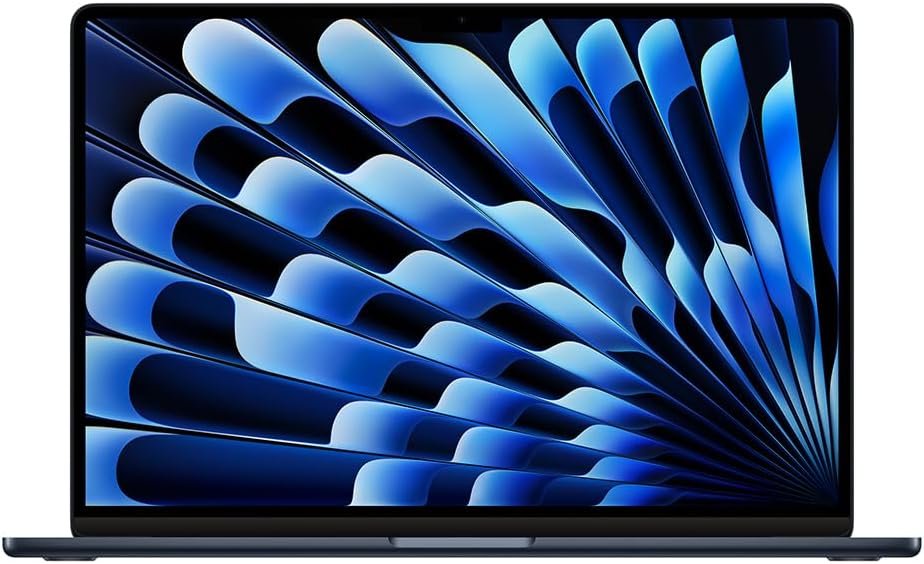
| Creative Professional & Audio/Video Editor | Apple M4 | Apple MacBook Air / MacBook Pro 14 | Dominant Single-Core IPC, Hardware ProRes Encoders, Unrivaled Battery Performance |
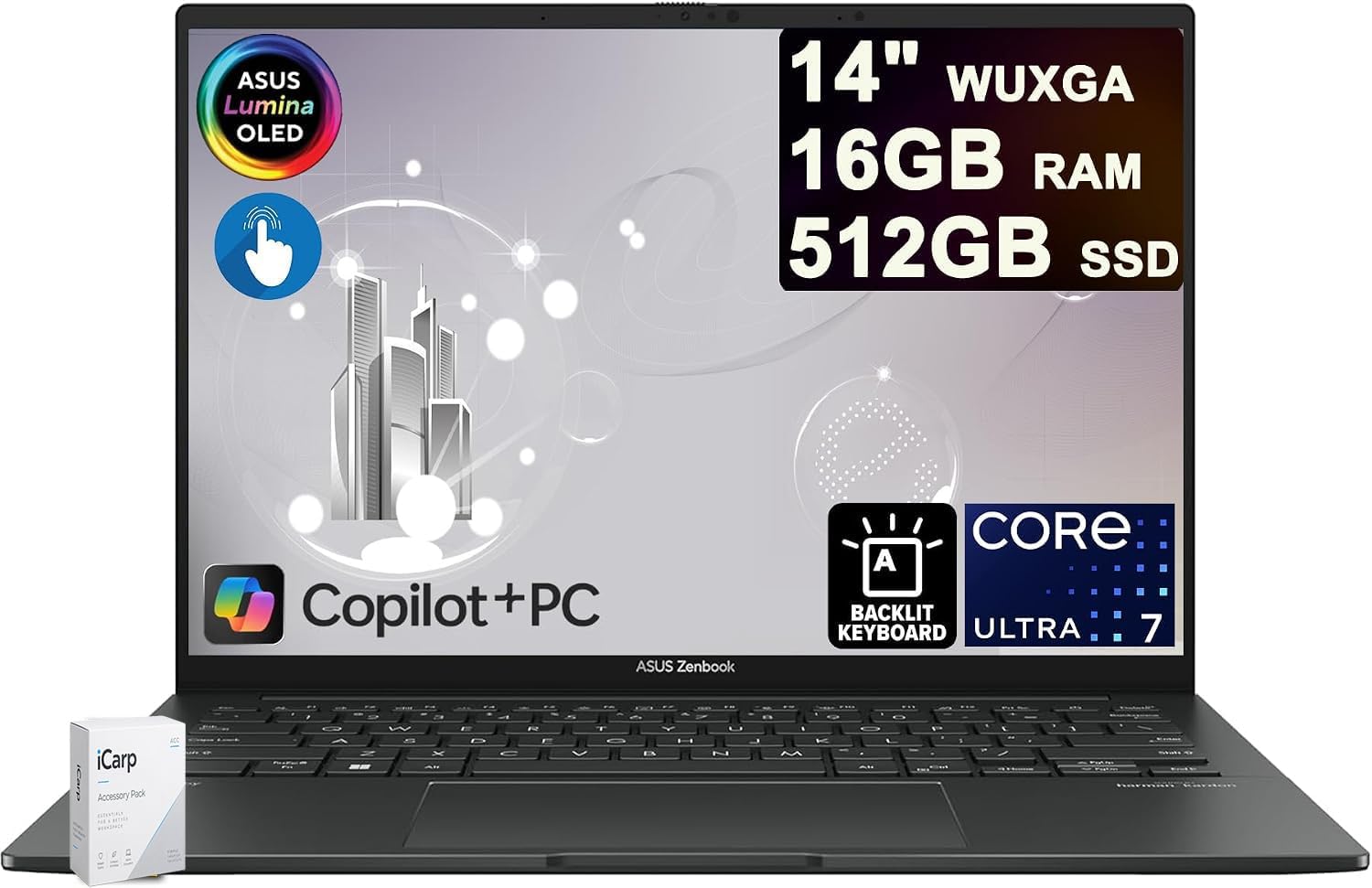
| Business Traveler, Office Power User & C-Suite | Intel Core Ultra 200V (Lunar Lake) | ASUS Zenbook S 14 OLED / Dell XPS 13 | Flawless x86 Native Compatibility, 18h+ Battery, Fan-Silent Thermals, On-Package Memory |
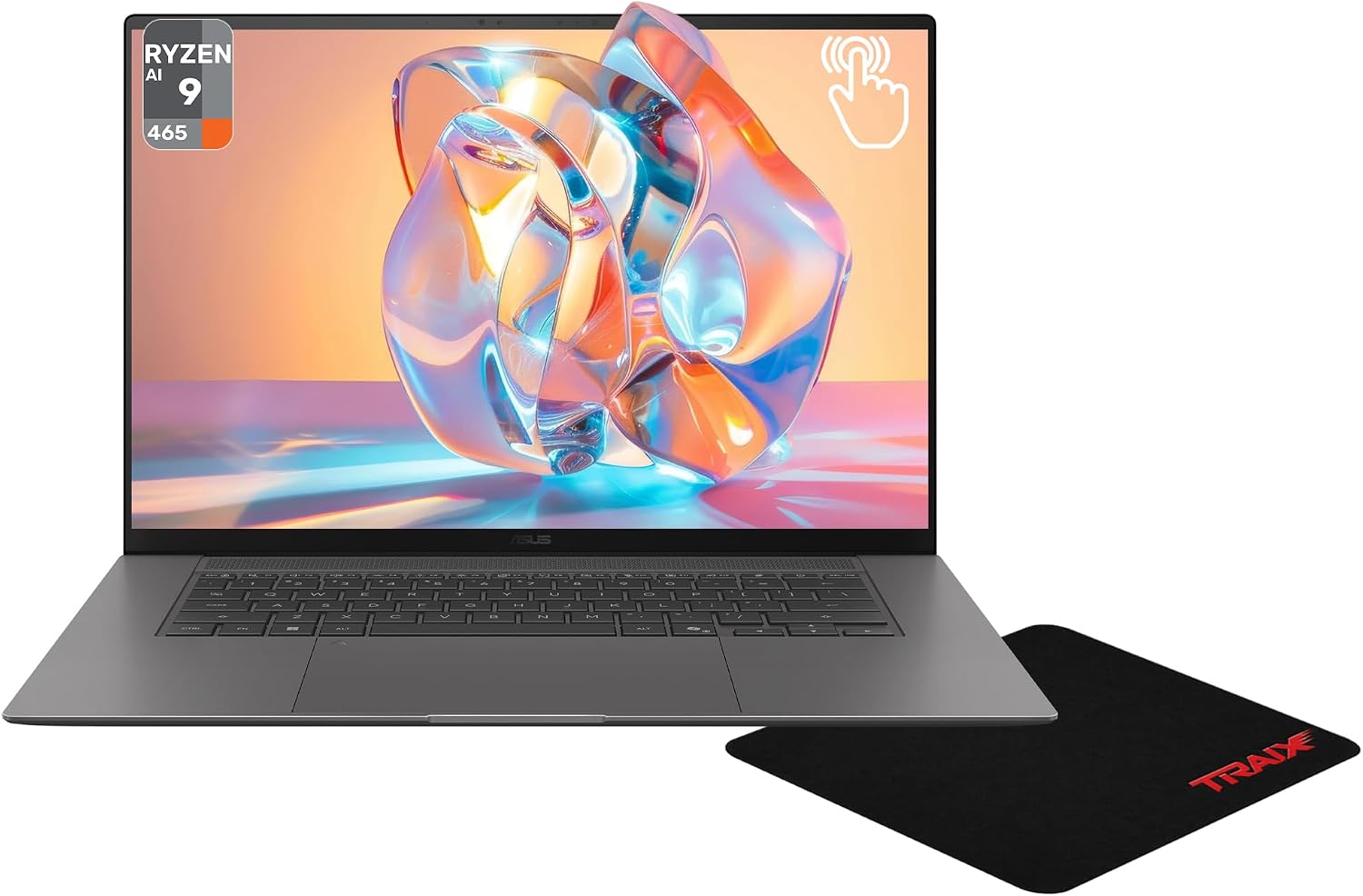
| Mobile AI Dev & Maximum Multi-Thread Creator | AMD Ryzen AI 300 (Strix Point) | ASUS Zenbook S 16 / ROG Zephyrus G16 | 12 Cores / 24 Threads, 50 TOPS NPU, Radeon 890M Graphics, Full AVX-512 Data Path |
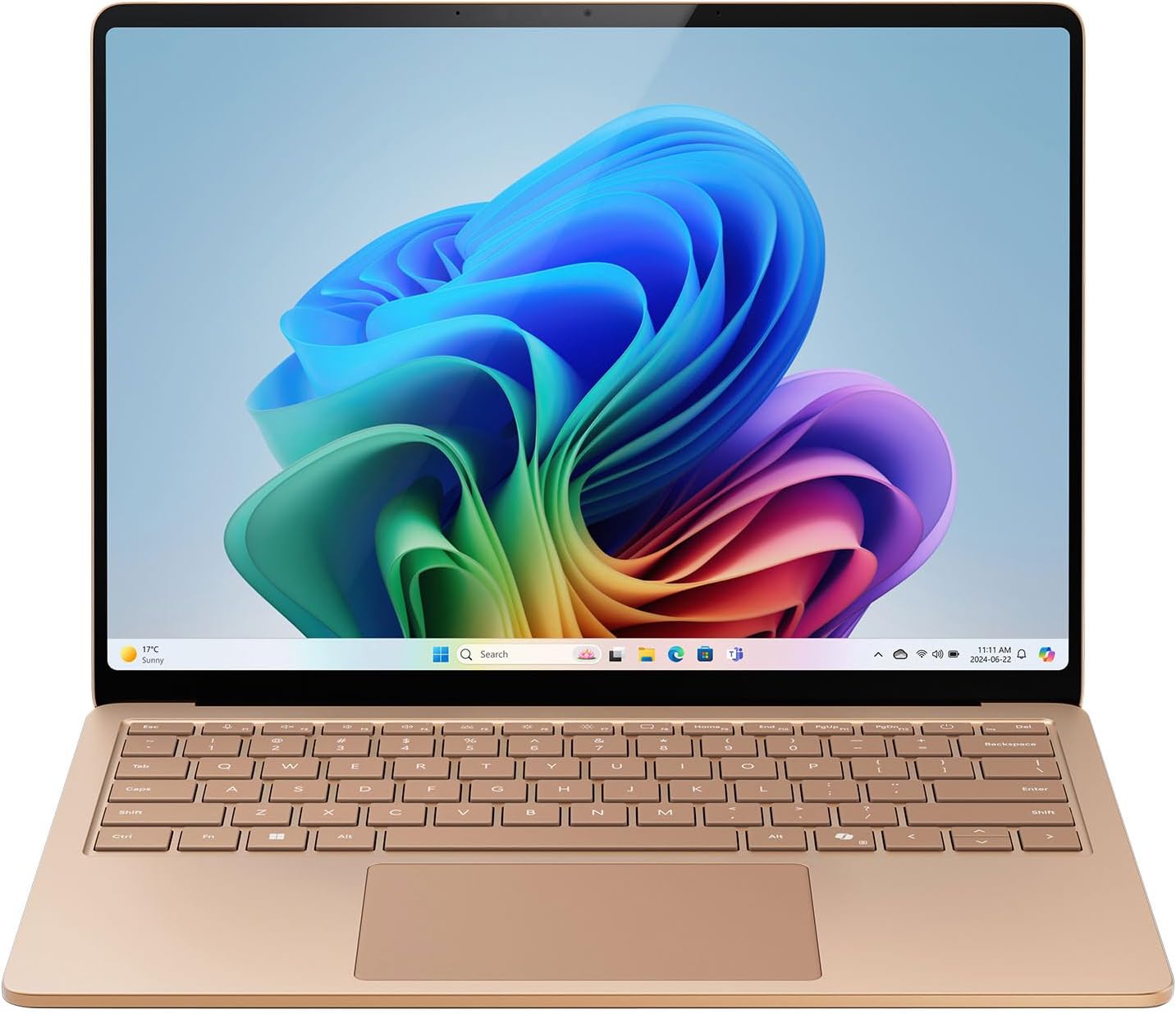
| All-Day Web/Cloud Worker & Battery Purist | Snapdragon X Elite | Microsoft Surface Laptop 7th Edition | Native ARM64 Speed, Outstanding Standby Battery, 45 TOPS Copilot+ AI Engine |
Summary Verdict
- Single-Core IPC Champion: Apple M4 remains untouchable in single-thread performance, delivering nearly 40% higher scores than its competitors at lower active power.
- x86 Efficiency & Compatibility Revolution: Intel Lunar Lake (Core Ultra 7 258V) is the best x86 ultraportable processor engineered to date, solving Intel's historic battery drain while preserving total software compatibility.
- Multi-Thread & Heavy Compute Heavyweight: AMD Strix Point (Ryzen AI 9 HX 370) dominates heavy compilation, 3D modeling, and gaming frame rates.
- ARM on Windows Milestone: Qualcomm Snapdragon X Elite provides true all-day battery life on Windows, best suited for productivity users operating within native ARM64 application ecosystems.