
Lava Play Max 5G vs Pixel 10 Pro: Which One Should You Buy?
Pixel 10 Pro edges ahead with a BeastScore of 85.6/100 — but the right choice depends on what matters to you.
Lava Play Max 5G
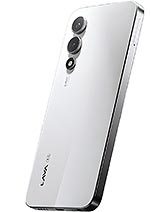
Pixel 10 Pro

Pixel 10 Pro wins 6 of 7 categories
Here's exactly where each phone is stronger.
Bigger shape = better phone.
Scores out of 100. "From specs" scores compare only the specs both phones list. How we score
- SpeedPixel 10 Pro4995
- Camerafrom specsTie8383
- VideoNot enough data
- SelfiePixel 10 Pro4088
- BatteryPixel 10 Pro5678
- Displayfrom specsPixel 10 Pro6692
- ConnectivityPixel 10 Pro52100
- SecurityPixel 10 Pro34100
- ValueNot enough data
- Lava Play Max 5G has the bigger battery5,000 mAh vs 4,870 mAh
- Lava Play Max 5G charges faster33W vs 30W
- Lava Play Max 5G has the bigger screen6.72" vs 6.3"
- Lava Play Max 5G is lighter193 g vs 207 g
- Pixel 10 Pro has a sharper selfie camera42 MP vs 8 MP
- Pixel 10 Pro has newer Bluetooth6 vs 5.4
- Pixel 10 Pro has more RAM16 GB vs 8 GB
- Pixel 10 Pro has the faster chipGoogle Tensor G5 vs MediaTek Dimensity 7300
- Pixel 10 Pro is better protected from water and dustIP68 vs IP54
Why buy each phone
Swipe ⇄Pixel 10 Pro wins — BeastScore 85.6/100
The Pixel 10 Pro is the better pick for most people thanks to its sharper selfie camera (42 MP vs 8 MP) and newer Bluetooth (6 vs 5.4). The Lava Play Max 5G is worth a look if you prefer its bigger battery (5,000 mAh vs 4,870 mAh).
Lighter: 193 g vs 207 g (14 g less)
Optical telephoto zoom (1 telephoto lens) · More RAM: 16 GB vs 8 GB
Common questions
Which is better: Lava Play Max 5G or Pixel 10 Pro?
The Pixel 10 Pro is the better pick for most people thanks to its sharper selfie camera (42 MP vs 8 MP) and newer Bluetooth (6 vs 5.4). The Lava Play Max 5G is worth a look if you prefer its bigger battery (5,000 mAh vs 4,870 mAh). BeastScore: Lava Play Max 5G 86.0/100, Pixel 10 Pro 85.6/100.
What are the main battery and display differences between Lava Play Max 5G and Pixel 10 Pro?
Lava Play Max 5G has a 6.72-inch display and 5000 mAh battery. Pixel 10 Pro has a 6.3-inch display and 4870 mAh battery.
How do Lava Play Max 5G and Pixel 10 Pro compare for speed?
Lava Play Max 5G scores 49/100 for performance; Pixel 10 Pro scores 95/100.
Similar Smartphones


More Smartphones comparisons
Pixel 10 Pro vs Google Pixel 11 Pro 5G
Pixel 8 Pro vs Pixel 10 Pro
Pixel 9 Pro vs Pixel 10 Pro
Pixel 10 Pro vs Pixel 10a
Pixel 10 Pro XL vs Pixel 10 Pro
Pixel 10 Pro Fold vs Pixel 10 Pro
Lava Play Max 5G vs Samsung Galaxy A18
Pixel 10 Pro vs Samsung Galaxy A18
Related articles
All articles → Flagship Camera Shootout
iPhone 16 Pro Max vs. Samsung Galaxy S24 Ultra vs. Google Pixel 9 Pro XL: The Definitive Flagship Camera Sensor Architecture, 5x Periscope Optics, 4K120 ProRes Log, 8K Video, Computational ISP, and Low-Light Shootout (2026)
An architectural teardown and real-world imaging shootout across Apple's 48MP Fusion quad-pixel sensor with 4K120 ProRes LOG, Samsung's 200MP ISOCELL HP2 Quad-Tele system with ProVisual AI Engine, and Google's 50MP GNK sensor paired with Tensor G4 HDRnet and Night Sight Video.
Read →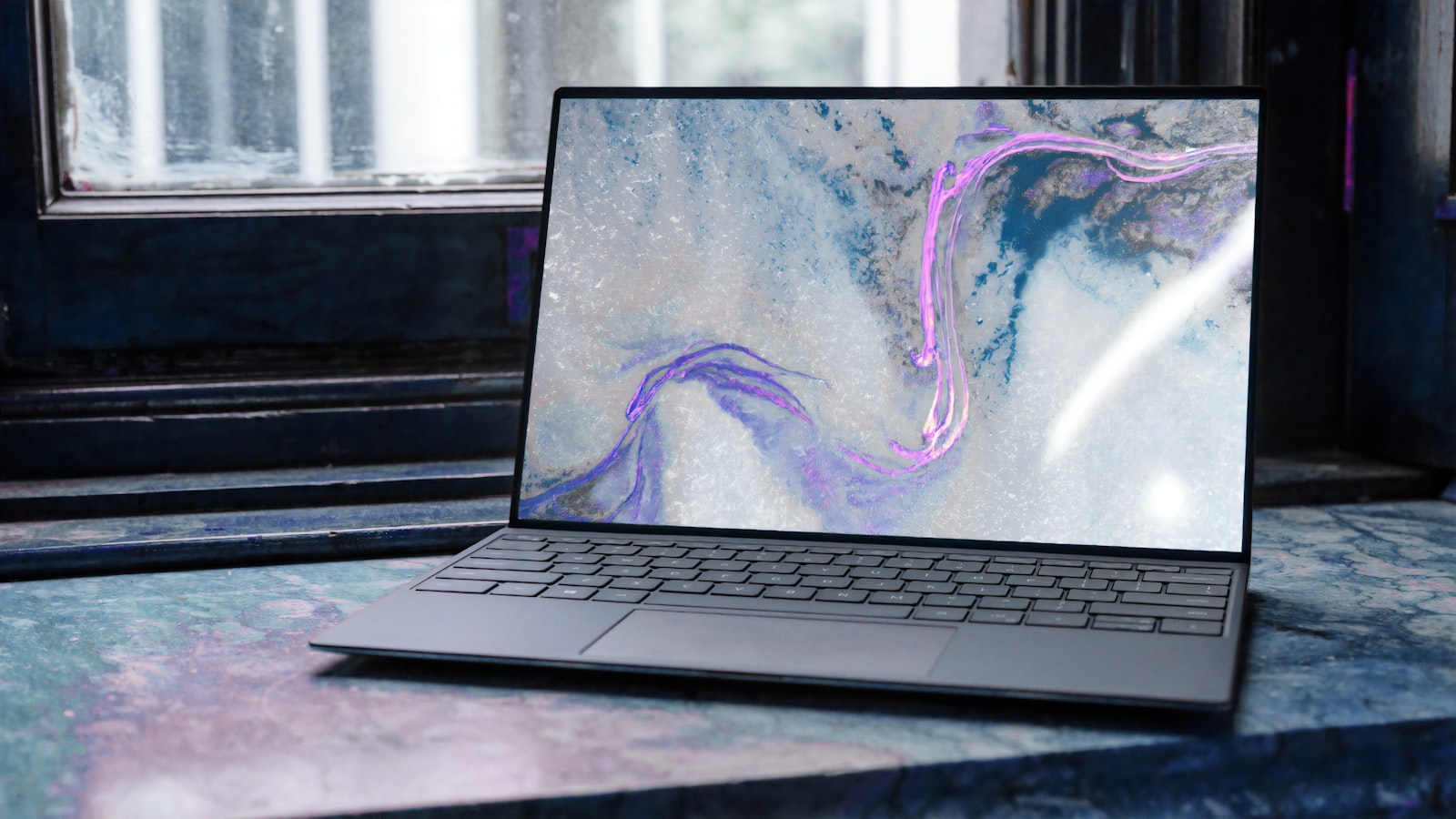 Flagship Laptop Architecture & Benchmarks
ASUS ROG Zephyrus G14 vs. Razer Blade 14 vs. HP OMEN Transcend 14 vs. ASUS TUF Gaming A14: The Definitive Flagship 14-inch Compact Gaming & Creator Laptop Architecture, 3K 120Hz OLED Displays, AMD Ryzen AI 9 HX 370 vs. Intel Core Ultra Silicon, RTX 4070 Laptop GPUs, CNC Aluminum Unibodies, Vapor Chamber Acoustics, and Real-World Battery Showdown (2026)
An architectural, thermal, and real-world benchmark showdown comparing the four greatest 14-inch compact gaming and creator laptops: ASUS ROG Zephyrus G14, Razer Blade 14, HP OMEN Transcend 14, and ASUS TUF Gaming A14.
Read → Spec-Based · Monitor Architecture Showdown
ASUS ROG Swift PG32UCDM vs. LG UltraGear 32GS95UE vs. Alienware AW3225QF vs. MSI MPG 321URX: The Definitive Flagship 4K 240Hz Gen 3 QD-OLED & Dual-Mode 480Hz WOLED Monitor Architecture, Sub-Pixel Text Clarity, G-Sync / FreeSync Premium Pro, Custom Heatsink Thermal Cooling, 0.03ms Response, and Burn-In Warranty Showdown (2026)
We compared the top 32-inch 4K 240Hz OLED gaming monitors across Gen 3 QD-OLED color volume, LG Micro Lens Array (MLA+) WOLED dual-mode 480Hz switching, sub-pixel text fringing, thermal dissipation heatsinks, DisplayPort 1.4 DSC vs HDMI 2.1 bandwidth, and 3-year burn-in warranties.
Read →