
Xiaomi Poco M7 vs Xiaomi Poco X8 Power 5G: Which One Should You Buy?
These two are too close to call on BeastScore — the right choice depends on what matters to you.
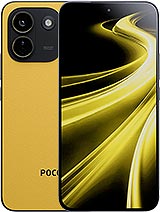
Xiaomi Poco M7

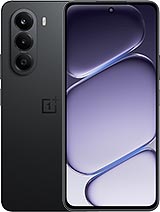
Xiaomi Poco X8 Power 5G
Too close to call: 0 of 5 categories each
Here's exactly where each phone is stronger.
Bigger shape = better phone.
Scores out of 100. How we score
- SpeedTie7979
- CameraTie8080
- VideoNot enough data
- SelfieNot enough data
- BatteryTie9595
- DisplayTie8989
- ConnectivityNot enough data
- SecurityNot enough data
- ValueTie8585
- Xiaomi Poco X8 Power 5G has the bigger battery10,000 mAh vs 7,000 mAh
- Xiaomi Poco M7 has the bigger screen6.9" vs 6.83"
Why buy each phone
Swipe ⇄Xiaomi Poco M7 and Xiaomi Poco X8 Power 5G are evenly matched
It's a close call. Pick the Xiaomi Poco M7 for its bigger screen (6.9" vs 6.83"), or the Xiaomi Poco X8 Power 5G for its bigger battery (10,000 mAh vs 7,000 mAh).
Reliable all-round performance.
Larger battery: 10,000 mAh vs 7,000 mAh
Common questions
Which is better: Xiaomi Poco M7 or Xiaomi Poco X8 Power 5G?
It's a close call. Pick the Xiaomi Poco M7 for its bigger screen (6.9" vs 6.83"), or the Xiaomi Poco X8 Power 5G for its bigger battery (10,000 mAh vs 7,000 mAh). BeastScore: Xiaomi Poco M7 84.5/100, Xiaomi Poco X8 Power 5G 84.5/100.
What are the main battery and display differences between Xiaomi Poco M7 and Xiaomi Poco X8 Power 5G?
Xiaomi Poco M7 has a 6.9-inch display and 7000 mAh battery. Xiaomi Poco X8 Power 5G has a 6.83-inch display and 10000 mAh battery.
How do Xiaomi Poco M7 and Xiaomi Poco X8 Power 5G compare for speed?
Xiaomi Poco M7 scores 79/100 for performance; Xiaomi Poco X8 Power 5G scores 79/100.
Similar Smartphones






More Smartphones comparisons
Xiaomi Poco M7 vs Xiaomi Poco M8 5G
Xiaomi Poco M4 5G (India) vs Xiaomi Poco M7
Xiaomi Poco M7 Plus 5G vs Xiaomi Poco M7
Xiaomi Poco X8 Pro Max 5G vs Xiaomi Poco X8 Power 5G
Xiaomi Poco X8 Pro 5G vs Xiaomi Poco X8 Power 5G
Xiaomi Poco X8 5G vs Xiaomi Poco X8 Power 5G
Xiaomi Poco M7 vs Galaxy A57 5G
Xiaomi Poco X8 Power 5G vs Galaxy A57 5G
Gear for the Xiaomi Poco M7
All Amazon Finds →Related articles
All articles →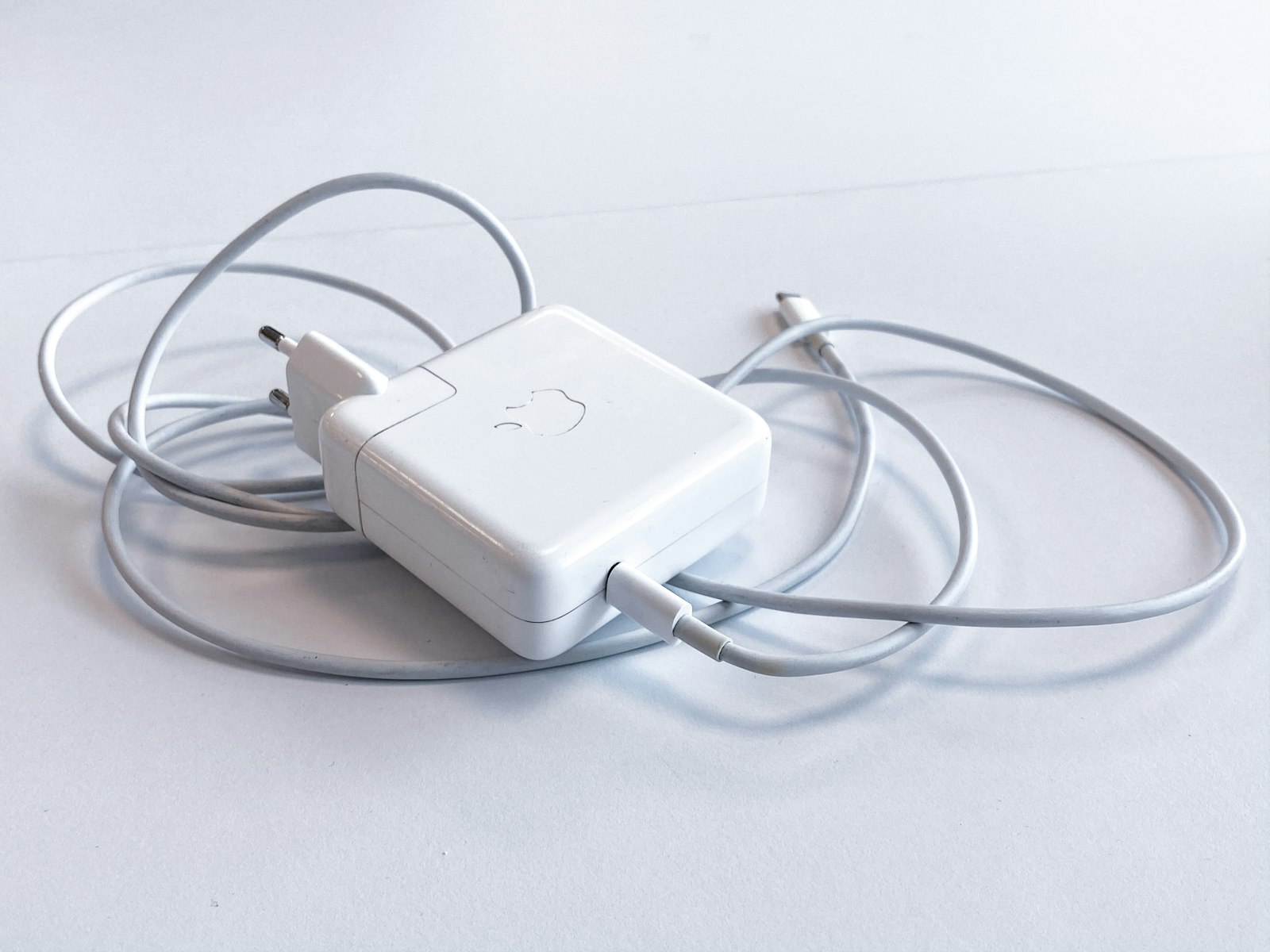 Flagship Power & GaN Comparison 2026
Anker Prime 250W vs. UGREEN Nexode 300W vs. Shargeek 170 vs. Baseus Blade HD 100W: The Definitive Flagship GaN Fast Charger & High-Wattage Power Bank Architecture, USB-PD 3.1 140W EPR Protocol, Multi-Port Power Allocation, Thermal Dissipation, and Real-World Efficiency Showdown (2026)
Gallium Nitride III semiconductors, USB-PD 3.1 Extended Power Range (28V/5A), dynamic multi-port power splitting, IPS digital telemetry displays, and thermal throttling under sustained 250W+ loads compared across top desktop charging stations and portable battery banks.
Read →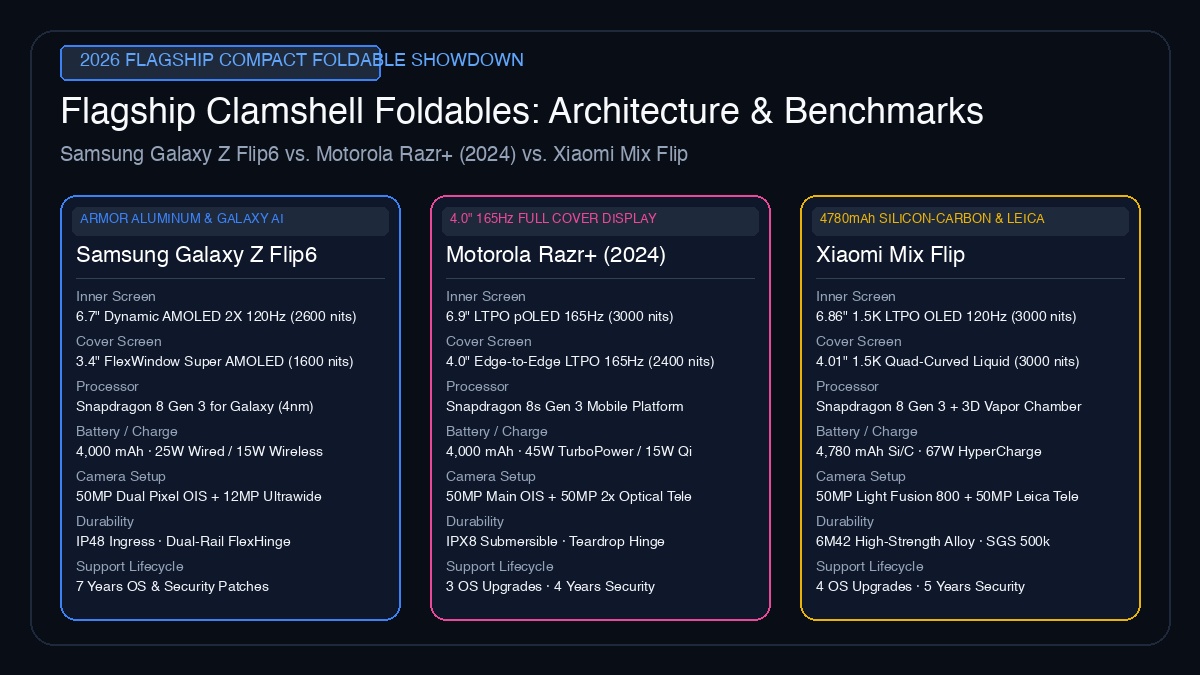 Definitive Foldable Guide 2026
Samsung Galaxy Z Flip6 vs. Motorola Razr+ (2024) vs. Xiaomi Mix Flip: The Definitive Flagship Clamshell Foldable Architecture, Outer Screen Workflows, Armor Aluminum & Titanium Hinges, Silicon-Carbon Batteries, and Dual 50MP Camera Showdown (2026)
A rigorous 2026 engineering and benchmark comparison of the top three clamshell foldables: evaluating Qualcomm Snapdragon 8 Gen 3 for Galaxy vs. 8s Gen 3, teardrop dual-rail hinge mechanics, 1.5K quad-curved vs. 165Hz cover displays, 4,780mAh silicon-carbon battery chemistry, and Leica vs. ProVisual computational photography.
Read → Flagship GPU Architecture Benchmark
NVIDIA GeForce RTX 4090 vs. RTX 4080 Super vs. AMD Radeon RX 7900 XTX vs. RTX 4070 Ti Super: The Definitive Flagship Gaming & Local AI GPU Architecture, 24GB GDDR6X VRAM, Ada Lovelace 4nm vs. RDNA 3 Chiplets, 4K Path Tracing, DLSS 3.7 vs. FSR 3.1, Local LLM AI Inference, and 12V-2x6 Power Efficiency Showdown (2026)
A definitive benchmark and semiconductor engineering breakdown comparing the RTX 4090, RTX 4080 Super, Radeon RX 7900 XTX, and RTX 4070 Ti Super across 4K native rasterization, full-scene path tracing, DLSS 3.7 Ray Reconstruction vs. FSR 3.1, 24GB local LLM token inference, and 12V-2x6 thermal safety.
Read →