
Mi 13 Lite vs Motorola Moto G Play 5G (2026): Which One Should You Buy?
Motorola Moto G Play 5G (2026) edges ahead with a BeastScore of 82.0/100 — but the right choice depends on what matters to you.
Mi 13 Lite

Motorola Moto G Play 5G (2026)
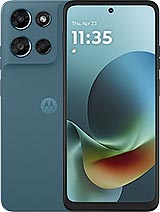
Motorola Moto G Play 5G (2026) wins overall; Mi 13 Lite takes 2 of 5 categories
Here's exactly where each phone is stronger.
Bigger shape = better phone.
Scores out of 100. "From specs" scores compare only the specs both phones list. How we score
- Speedfrom specsMi 13 Lite6951
- Camerafrom specsTie8383
- VideoNot enough data
- SelfieMi 13 Lite8860
- Batteryfrom specsMotorola Moto G Play 5G (2026)5073
- Displayfrom specsTie8888
- ConnectivityNot enough data
- SecurityNot enough data
- ValueNot enough data
- Motorola Moto G Play 5G (2026) has the bigger battery5,200 mAh vs 4,500 mAh
- Mi 13 Lite has a sharper main camera50.3 MP vs 50 MP
- Motorola Moto G Play 5G (2026) has the bigger screen6.7" vs 6.55"
- Mi 13 Lite has a sharper selfie camera32 MP vs 16 MP
- Mi 13 Lite has more RAM8 GB vs 4 GB
- Mi 13 Lite has the faster chipQualcomm Snapdragon 7 Gen 1 5G SM7450-AB vs Dimensity 6300
Why buy each phone
Swipe ⇄Motorola Moto G Play 5G (2026) wins — BeastScore 82.0/100
The Motorola Moto G Play 5G (2026) is the better pick for most people thanks to its bigger battery (5,200 mAh vs 4,500 mAh) and bigger screen (6.7" vs 6.55"). The Mi 13 Lite is worth a look if you prefer its sharper main camera (50.3 MP vs 50 MP).
More RAM: 8 GB vs 4 GB
Larger battery: 5,200 mAh vs 4,500 mAh
Common questions
Which is better: Mi 13 Lite or Motorola Moto G Play 5G (2026)?
The Motorola Moto G Play 5G (2026) is the better pick for most people thanks to its bigger battery (5,200 mAh vs 4,500 mAh) and bigger screen (6.7" vs 6.55"). The Mi 13 Lite is worth a look if you prefer its sharper main camera (50.3 MP vs 50 MP). BeastScore: Mi 13 Lite 81.0/100, Motorola Moto G Play 5G (2026) 82.0/100.
What are the main battery and display differences between Mi 13 Lite and Motorola Moto G Play 5G (2026)?
Mi 13 Lite has a 6.55-inch display and 4500 mAh battery. Motorola Moto G Play 5G (2026) has a 6.7-inch display and 5200 mAh battery.
Similar Smartphones





More Smartphones comparisons
Motorola Moto G Play 5G (2026) vs Google Pixel 11 5G
Motorola Moto G Play 5G (2026) vs Oppo K14 Lite
realme P4s Lite vs Motorola Moto G Play 5G (2026)
Realme P4 Lite 5G vs Motorola Moto G Play 5G (2026)
Realme Narzo 100 Lite 5G vs Motorola Moto G Play 5G (2026)
Motorola Moto G Play 5G (2026) vs Huawei nova 14 Lite 5G
Mi 13 Lite vs Samsung Galaxy M13 (India)
Motorola Moto G Play 5G (2026) vs Samsung Galaxy M17e 5G
Gear for the Motorola Moto G Play 5G (2026)
All Amazon Finds →Related articles
All articles → Copilot+ PC Silicon Deep Dive
Intel Lunar Lake (Core Ultra 200V) vs. AMD Strix Point (Ryzen AI 300) vs. Qualcomm Snapdragon X Elite: The Definitive Copilot+ PC Silicon Architecture, Battery Life, NPU, and x86 vs. ARM Benchmark Showdown (2026)
An exhaustive 3-way architectural breakdown pitting Intel's Memory-on-Package Lunar Lake (Core Ultra 7 258V / 288V), AMD's Zen 5 / RDNA 3.5 Strix Point (Ryzen AI 9 HX 370), and Qualcomm's ARM Oryon Snapdragon X Elite against each other across IPC, multi-threaded efficiency, gaming FPS, local NPU TOPS, and real-world 20+ hour battery life.
Read →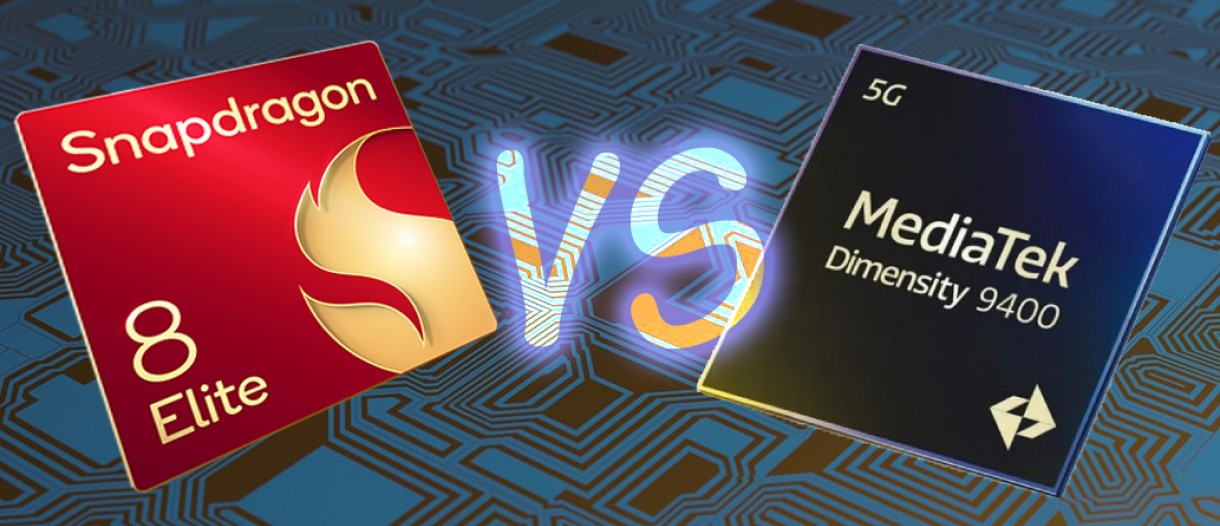 Flagship SoC Architecture
Snapdragon 8 Elite vs. MediaTek Dimensity 9400 vs. Apple A18 Pro: The Definitive 3nm Mobile Silicon Architecture, GPU Ray Tracing & Gaming Benchmark Showdown (2026)
An exhaustive 3nm architectural deep dive comparing Qualcomm custom Oryon CPU, MediaTek All-Big-Core Dimensity 9400, and Apple A18 Pro—covering microarchitecture, Adreno 830 vs Immortalis-G925 ray tracing, NPU compute, thermal throttling, and real-world gaming frame rates.
Read →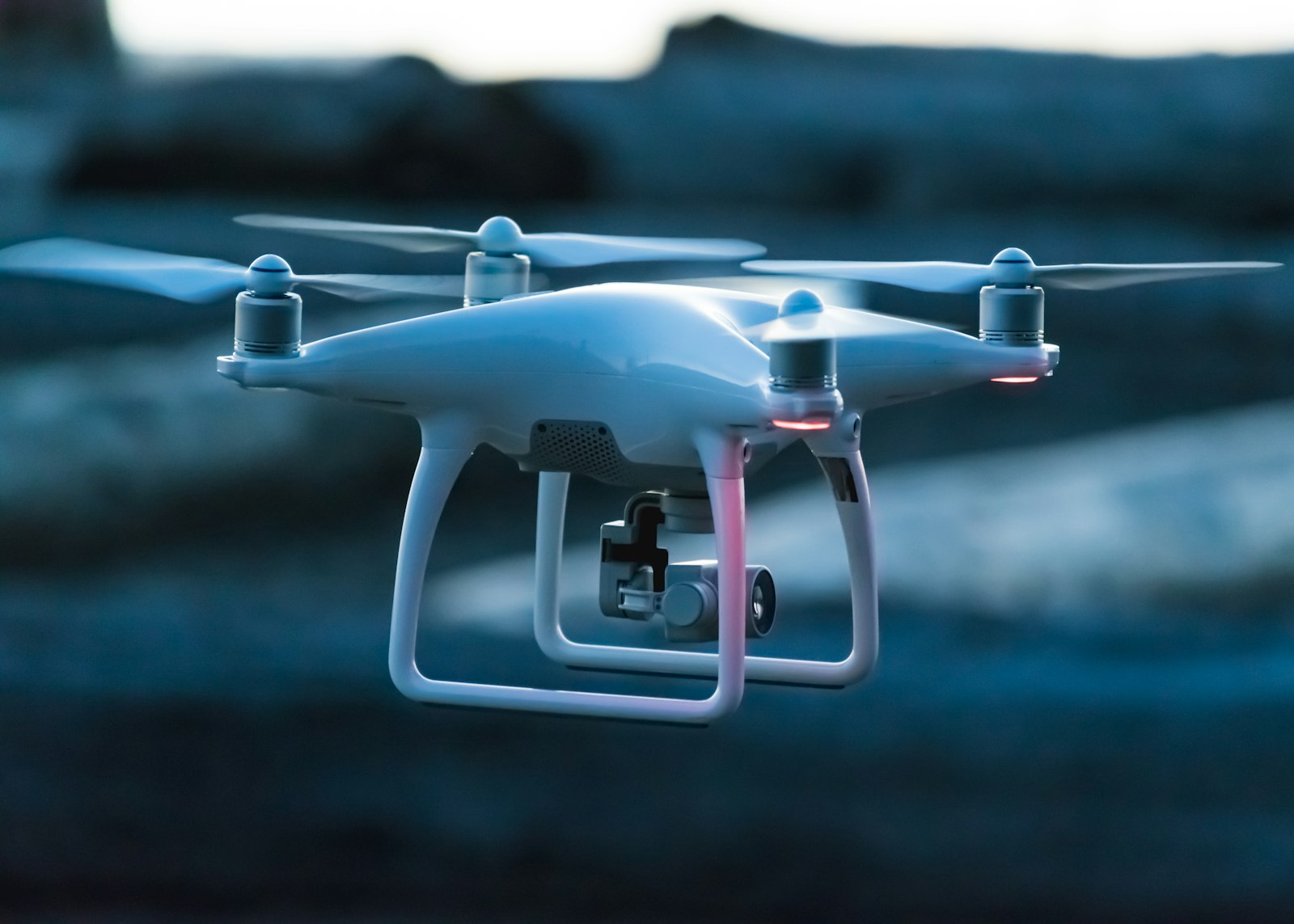 Flagship Drone Shootout
DJI Air 3S vs. DJI Mini 4 Pro vs. DJI Mavic 3 Pro vs. Autel EVO Lite+: The Definitive Flagship Consumer & Prosumer Camera Drone Architecture, 1-inch CMOS vs. Triple Hasselblad Optics, Nightscape LiDAR Omnidirectional Obstacle Sensing, O4 FHD 20km Video Transmission, ActiveTrack 360°, and 46-Minute Flight Endurance Showdown (2026)
An exhaustive engineering analysis and flight benchmark comparison across consumer aerial cinematography flagships—evaluating 1-inch CMOS and 4/3 Hasselblad optical arrays, forward LiDAR night navigation, sub-249g regulatory physics, O4 10-bit RF pipelines, and real-world high-wind endurance.
Read →