
Redmi Note 13 Pro vs Samsung Galaxy S26+ 5G: Which One Should You Buy?
Redmi Note 13 Pro edges ahead with a BeastScore of 89.0/100 — but the right choice depends on what matters to you.
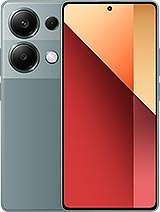
Redmi Note 13 Pro
Samsung Galaxy S26+ 5G
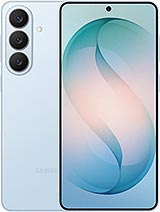
Samsung Galaxy S26+ 5G wins 4 of 6 categories
Here's exactly where each phone is stronger.
Bigger shape = better phone.
Scores out of 100. "From specs" scores compare only the specs both phones list. How we score
- SpeedSamsung Galaxy S26+ 5G8091
- Camerafrom specsSamsung Galaxy S26+ 5G7282
- VideoNot enough data
- SelfieSamsung Galaxy S26+ 5G6088
- BatteryRedmi Note 13 Pro8853
- Displayfrom specsTie8585
- ConnectivitySamsung Galaxy S26+ 5G5590
- SecurityNot enough data
- ValueNot enough data
- Redmi Note 13 Pro has the bigger battery5,100 mAh vs 4,900 mAh
- Redmi Note 13 Pro has a sharper main camera200 MP vs 50 MP
- Samsung Galaxy S26+ 5G has the bigger screen6.7" vs 6.67"
- Samsung Galaxy S26+ 5G is lighter167 g vs 187 g
- Samsung Galaxy S26+ 5G has a sharper selfie camera32 MP vs 16 MP
- Samsung Galaxy S26+ 5G has newer Bluetooth5.4 vs 5.2
- Samsung Galaxy S26+ 5G has more RAM12 GB vs 8 GB
- Samsung Galaxy S26+ 5G has the faster chipSnapdragon 8 Elite Gen 5 vs Snapdragon 7s Gen 2
Why buy each phone
Swipe ⇄Redmi Note 13 Pro wins — BeastScore 89.0/100
After comparing all the specs, Redmi Note 13 Pro is the stronger all-round phone. Its main edge: Larger battery capacity: 5,100 mAh (+200 mAh more) and Significantly faster wired charging: 67W vs max 0W.
Larger battery capacity: 5,100 mAh (+200 mAh more) · Significantly faster wired charging: 67W vs max 0W
More system memory: 12GB RAM vs max 8GB · Lighter body: 167g (20g lighter in hand)
Common questions
Which is better: Redmi Note 13 Pro or Samsung Galaxy S26+ 5G?
Redmi Note 13 Pro leads with an overall BeastScore of 89.0/100 compared to Samsung Galaxy S26+ 5G (89.0/100), driven by advantages in Larger battery capacity: 5,100 mAh (+200 mAh more) and Significantly faster wired charging: 67W vs max 0W.
What are the main battery and display differences between Redmi Note 13 Pro and Samsung Galaxy S26+ 5G?
Redmi Note 13 Pro has a 6.67-inch display and 5100 mAh battery. Samsung Galaxy S26+ 5G has a 6.7-inch display and 4900 mAh battery.
How do Redmi Note 13 Pro and Samsung Galaxy S26+ 5G compare for speed?
Redmi Note 13 Pro scores 80/100 for performance; Samsung Galaxy S26+ 5G scores 91/100.
Similar Smartphones




More Smartphones comparisons
Redmi Note 13 Pro vs Xiaomi Redmi Note 15 Pro 5G (China)
Redmi Note 13 Pro vs Xiaomi Redmi Note 14 Pro
Redmi Note 12 Pro vs Redmi Note 13 Pro
Redmi Note 13 Pro vs Xiaomi Redmi Note 13 4G Premium Edition Dual SIM TD-LTE LATAM 256GB 23129RA5FL (Xiaomi Sapphire)
Xiaomi Redmi Note 13 (China) vs Redmi Note 13 Pro
Redmi Note 13 Pro vs Redmi Note 13 Pro+
Redmi Note 13 Pro vs Samsung Galaxy M47 5G
Samsung Galaxy S26+ 5G vs Samsung Galaxy M47 5G
Related articles
All articles → Update
Xiaomi starts beta test recruitment for HyperOS 4
Xiaomi has started recruiting beta testers for HyperOS 4 across eligible flagship devices, focusing on smoother animations, lower background RAM usage, and improved AI features.
Read → Flagship Showdown
Samsung Galaxy Z Fold6 vs. Google Pixel 9 Pro Fold vs. Honor Magic V3 vs. OnePlus Open: The Definitive Flagship Foldable Architecture, Hinge Engineering, Crease-Free Displays, and Camera Benchmark Showdown (2026)
An exhaustive microarchitectural breakdown, hinge mechanism stress-testing, crease analysis, dual-screen multitasking benchmarks, and periscope camera shootout across the 4 premier book-style foldables of 2026.
Read → Definitive Wearable Benchmark
Apple Watch Ultra 2 vs. Samsung Galaxy Watch Ultra vs. Garmin Fenix 8: The Definitive Rugged Titanium Smartwatch Architecture, Dual-Frequency Multi-Band GPS Accuracy, AMOLED Displays, Scuba Dive Computers, and Extreme Battery Endurance Showdown (2026)
An exhaustive, laboratory-grade architectural deep dive and endurance benchmark comparing Apple's S9 SiP, Samsung's 3nm Exynos W1000, and Garmin's ultra-low-power MCU platform across multi-band GNSS tracking, 3000-nit displays, 40m scuba dive ratings, biometric sensors, and multi-week battery curves.
Read →