Samsung Galaxy Z Fold6 vs. Google Pixel 9 Pro Fold vs. Honor Magic V3 vs. OnePlus Open: The Definitive Flagship Foldable Architecture, Hinge Engineering, Crease-Free Displays, and Camera Benchmark Showdown (2026)
The foldable smartphone form factor has permanently crossed the threshold from experimental early-adopter novelty into the definitive tier of ultra-premium mobile computing. In 2026, flagships no longer ask consumers to tolerate thick, heavy bricks, compromised battery endurance, or fragile plastic screens. Instead, mechanical metallurgy, microscopic hinge tolerances, silicon-carbon battery chemistry, and desktop-grade multi-window window managers have converged to produce book-style foldable devices that rival standard slab flagships in everyday portability while unfolding into colossal tablet workspaces.
Four titans define the state of the art in the global book-style foldable category: the Samsung Galaxy Z Fold6, the Google Pixel 9 Pro Fold, the Honor Magic V3, and the OnePlus Open.
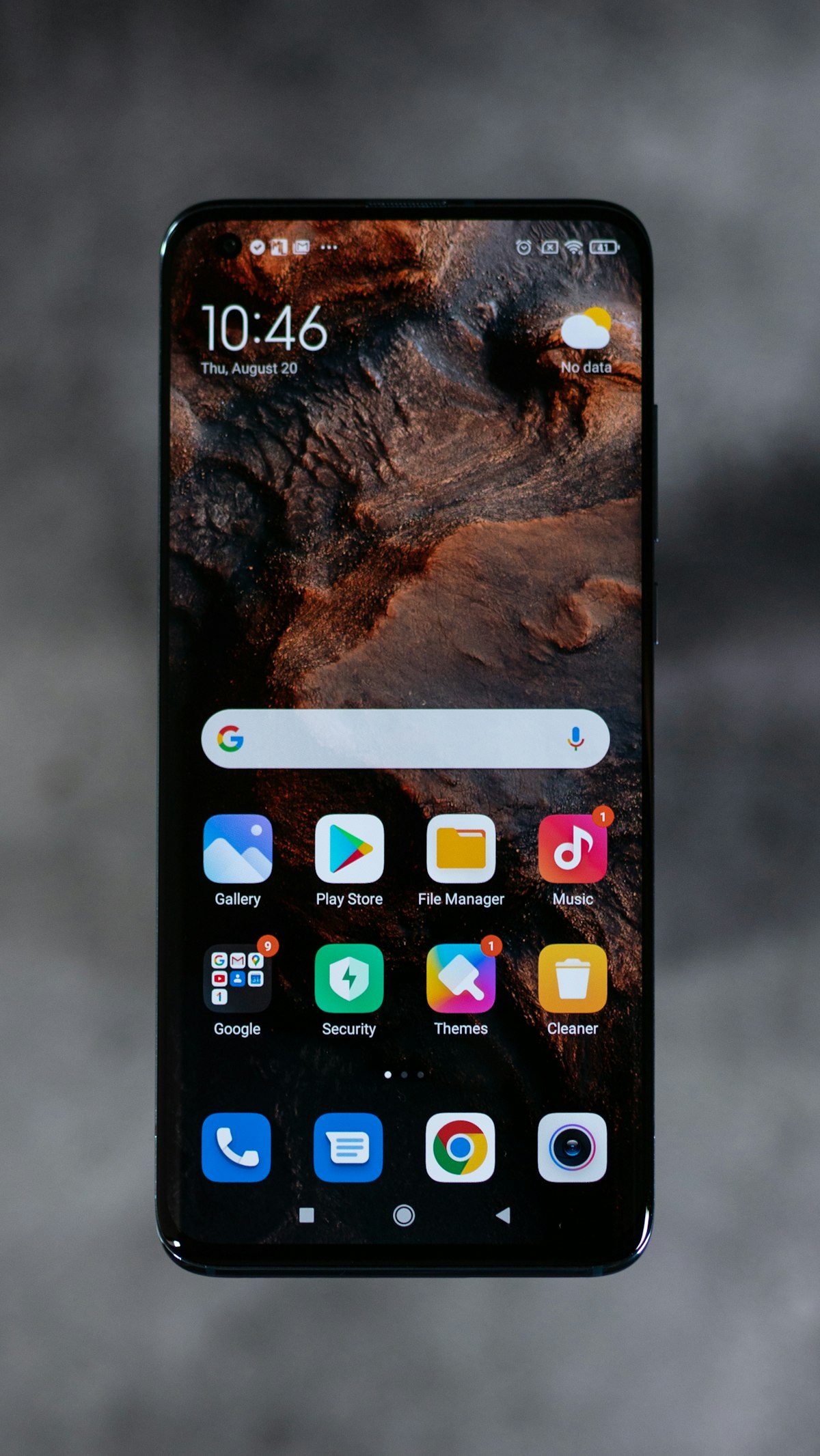
While all four devices share the ambition of transforming from a pocketable smartphone into an expansive mini-tablet, they approach mechanical chassis thinning, aspect ratio geometry, processor thermal envelopes, and multitasking software from fundamentally divergent engineering philosophies.
In this exhaustive, laboratory-grade benchmark and architectural deep dive, BeastCompare dissects every layer of these four flagship foldables: from hinge yield strength and crease depth measurements to sustained thermal throttling, local on-device generative AI inferencing, periscope zoom optics, and battery rundown efficiency under heavy dual-screen workloads.
1. Executive Summary & Architectural Philosophies
- Samsung Galaxy Z Fold6 (The Software & Ecosystem Paragon): Samsung focuses on ruthless industrial precision, introducing an IP48 ingress protection rating (the first official particulate protection on a book-style foldable), an upgraded dual-rail hinge mechanism, a symmetrical boxier titanium-like aesthetic, and the most mature multitasking software suite on the planet via One UI 6.1.1 / One UI 7 backed by Galaxy AI and 7 years of continuous OS upgrades.
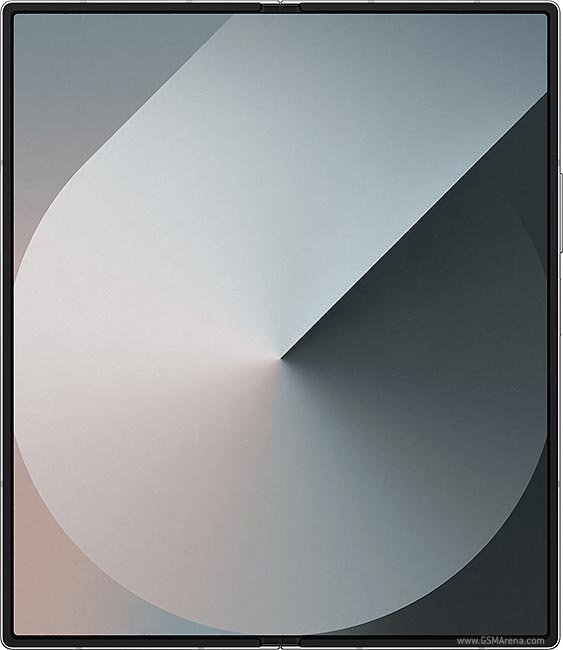
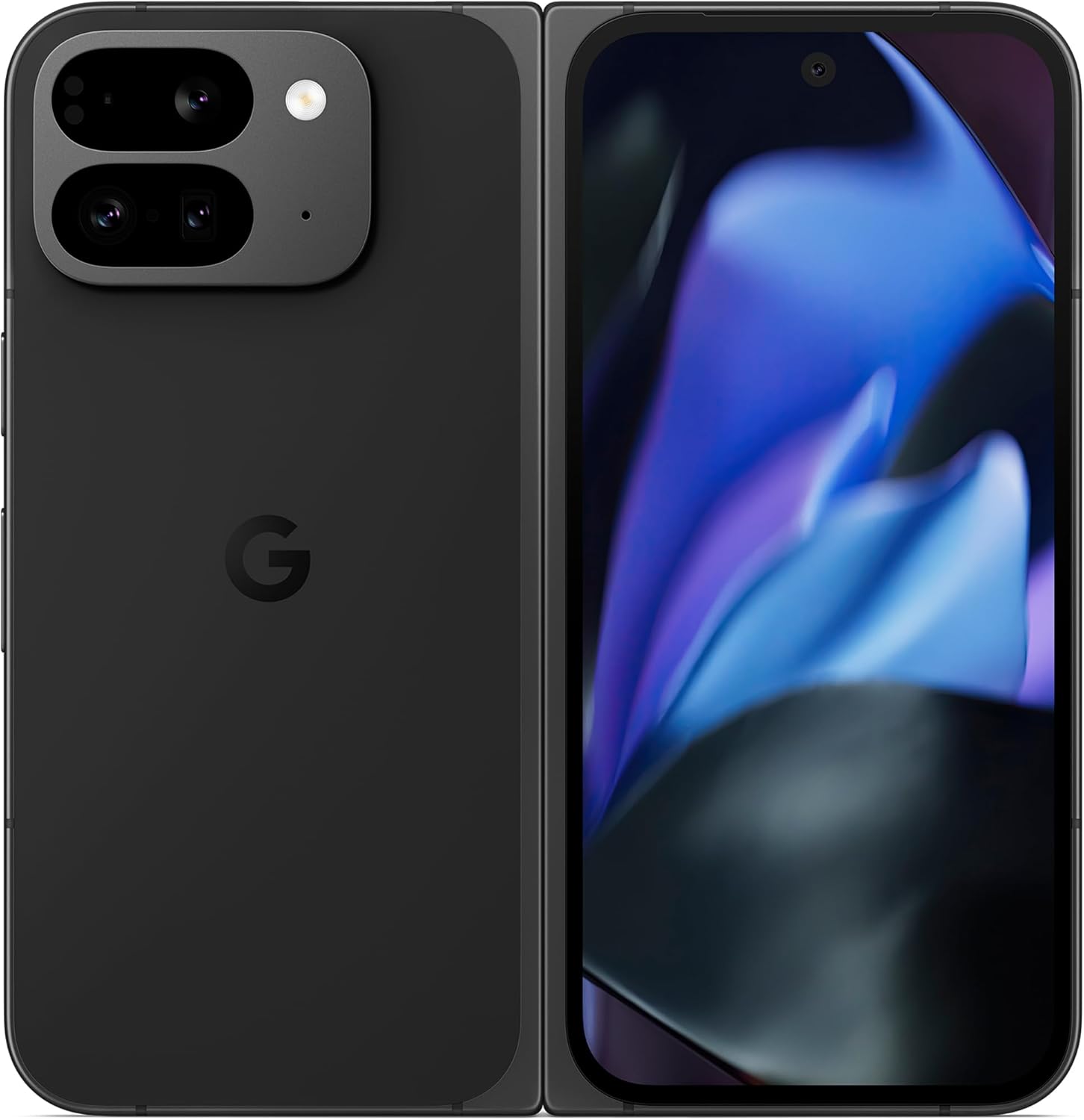
- Google Pixel 9 Pro Fold (The Giant Screen & Multimodal AI Pioneer): Google completely reinvented its foldable architecture with a massive 8.0-inch Super Actua Flex inner display (the largest among mainstream book foldables), an ultra-slim 5.1mm unfolded profile, aerospace-grade multi-alloy steel hinge, and deep system-level integration with the Google Tensor G4 SoC and Gemini Nano multimodal AI.
- Honor Magic V3 (The Impossibly Thin Physics Defier): Shattering every previous dimension record, Honor engineered an astonishing 4.35mm unfolded and 9.2mm folded chassis weighing a featherlight 226 grams (lighter than many conventional slab flagships). It packs a massive 5,150mAh 3rd-Gen Silicon-Carbon battery, 66W wired / 50W wireless charging, and a 2,100MPa Super Steel Hinge.
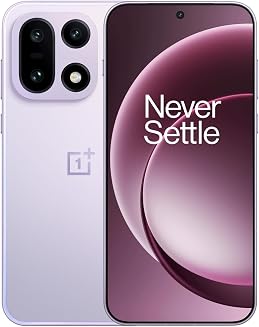
- OnePlus Open (The Multitasking Canvas & Optical Master): Outfitted with the revolutionary Open Canvas virtual workspace, the OnePlus Open allows users to operate three full-screen applications simultaneously without visual cramping. It pairs this multitasking prowess with class-leading Hasselblad optics, a 48MP Sony LYT-T808 Pixel Stacked main sensor, and a 64MP 3x periscope telephoto unit.
2. Comprehensive Hardware & Architectural Specification Matrix
The following specification matrix provides an exhaustive, side-by-side architectural comparison across all four flagship foldables:
| Hardware & Architecture Parameter | Samsung Galaxy Z Fold6 | Google Pixel 9 Pro Fold | Honor Magic V3 | OnePlus Open |
|---|---|---|---|---|
| SoC / Platform Identifier | Qualcomm Snapdragon 8 Gen 3 for Galaxy | Google Tensor G4 (Titan M2 Coprocessor) | Qualcomm Snapdragon 8 Gen 3 (Standard) | Qualcomm Snapdragon 8 Gen 2 Mobile Platform |
| Process Node & Foundry | TSMC 4nm FinFET (N4P) | Samsung Foundry 4nm (4LPP+) | TSMC 4nm FinFET (N4P) | TSMC 4nm FinFET (N4) |
| CPU Core Cluster Topology | 1x Cortex-X4 (3.39 GHz) + 3x A720 (3.1 GHz) + 2x A720 (2.9 GHz) + 2x A520 (2.2 GHz) | 1x Cortex-X4 (3.10 GHz) + 3x A720 (2.60 GHz) + 4x A520 (1.92 GHz) | 1x Cortex-X4 (3.30 GHz) + 3x A720 (3.15 GHz) + 2x A720 (2.96 GHz) + 2x A520 (2.27 GHz) | 1x Cortex-X3 (3.20 GHz) + 2x A715 (2.80 GHz) + 2x A710 (2.80 GHz) + 3x A510 (2.00 GHz) |
| GPU Architecture | Qualcomm Adreno 750 (1.0 GHz OC) | ARM Mali-G715 MC7 (940 MHz) | Qualcomm Adreno 750 (903 MHz) | Qualcomm Adreno 740 (680 MHz) |
| System Memory (RAM) | 12GB LPDDR5X (8533 Mbps) | 16GB LPDDR5X (8533 Mbps) | 12GB / 16GB LPDDR5X | 16GB LPDDR5X (8533 Mbps) |
| Internal Storage Formats | 256GB / 512GB / 1TB (UFS 4.0) | 256GB / 512GB (UFS 4.0) | 256GB / 512GB / 1TB (UFS 4.0) | 512GB (UFS 4.0) |
| Cover Display Dimensions | 6.3-inch Dynamic AMOLED 2X | 6.3-inch Actua OLED | 6.43-inch LTPO OLED | 6.31-inch Super Fluid AMOLED |
| Cover Display Aspect & Res | 22.1:9 (2376 x 968 pixels) | 20:9 (2424 x 1080 pixels) | 20:9 (2376 x 1060 pixels) | 20:9 (2484 x 1116 pixels) |
| Cover Peak Brightness (HDR) | 2,600 nits Peak | 2,700 nits Peak | 5,000 nits Peak | 2,800 nits Peak |
| Main Inner Foldable Display | 7.6-inch Dynamic AMOLED 2X | 8.0-inch Super Actua Flex OLED | 7.92-inch Foldable LTPO OLED | 7.82-inch Flexi-fluid LTPO 3.0 AMOLED |
| Main Display Aspect & Res | 20.9:18 (2160 x 1856 pixels) | 1:1.04 Square (2152 x 2076 pixels) | 9.78:9 (2344 x 2156 pixels) | 1.07:1 Near-Square (2440 x 2268 pixels) |
| Main Peak Brightness (HDR) | 2,600 nits Peak | 2,700 nits Peak | 1,800 nits Peak | 2,800 nits Peak |
| Refresh Rates (Both Panels) | 1Hz - 120Hz LTPO Dynamic | 1Hz - 120Hz LTPO (Inner) / 60-120Hz | 1Hz - 120Hz LTPO Dynamic | 1Hz - 120Hz LTPO 3.0 Dynamic |
| Stylus / Pen Input Support | Yes (S-Pen on Main Screen) | No Stylus Support | Yes (Honor Magic Pen on Both Screens) | No Stylus Support |
| Unfolded Dimensions (mm) | 153.5 x 132.6 x 5.6 mm | 155.2 x 150.2 x 5.1 mm | 156.6 x 145.3 x 4.35 mm | 153.4 x 143.1 x 5.8 mm |
| Folded Dimensions (mm) | 153.5 x 68.1 x 12.1 mm | 155.2 x 77.1 x 10.5 mm | 156.6 x 74.0 x 9.2 mm | 153.4 x 73.3 x 11.7 mm |
| Chassis Weight | 239 grams | 257 grams | 226 grams (Lightest) | 239 grams (Black) / 245 grams (Green) |
| Ingress Protection Rating | IP48 (Water + 1mm Solids) | IPX8 (Water Submersion Only) | IPX8 (Water Submersion Only) | IPX4 (Splash Resistance Only) |
| Hinge Metallurgy & Rating | Dual-rail Enhanced Armor Aluminum | Multi-alloy Steel Gearless Hinge | 2,100MPa Super Steel (500k Folds) | Flexion Titanium-Zirconium Alloy |
| Battery Chemistry & Capacity | 4,400 mAh (Dual Li-ion) | 4,650 mAh (Dual Li-ion) | 5,150 mAh (Silicon-Carbon 3rd Gen) | 4,805 mAh (Dual Li-ion) |
| Wired Fast Charging | 25W USB-PD 3.0 | 21W USB-PD 3.0 | 66W Honor SuperCharge | 67W SUPERVOOC Fast Charge |
| Wireless Fast Charging | 15W Fast Qi Wireless | 7.5W Qi Wireless | 50W Wireless SuperCharge | No Wireless Charging |
| Primary Rear Camera Sensor | 50 MP (ISOCELL GNJ, 1/1.56", f/1.8, OIS) | 48 MP (1/2.0", f/1.7, Dual Pixel OIS) | 50 MP (1/1.56", f/1.6, OIS) | 48 MP Sony LYT-T808 (1/1.43", f/1.7, OIS) |
| Telephoto Camera Module | 10 MP 3x Optical (1/3.94", f/2.4, OIS) | 10.8 MP 5x Periscope (1/3.2", f/3.1, OIS) | 50 MP 3.5x Periscope (1/2.51", f/3.0, OIS) | 64 MP 3x Periscope (1/2.0", f/2.6, OIS, 6x In-Sensor) |
| Ultrawide Camera Module | 12 MP (123° FOV, f/2.2) | 10.5 MP (127° FOV, f/2.2, Macro Focus) | 40 MP (112° FOV, f/2.2, Macro AF) | 48 MP Sony IMX581 (114° FOV, f/2.2, Macro) |
| Cover & Inner Selfie Cameras | 10 MP Cover + 4 MP Inner UDC | 10 MP Cover + 10 MP Inner Punch-Hole | 20 MP Cover + 20 MP Inner Punch-Hole | 32 MP Cover + 20 MP Inner Punch-Hole |
| Operating System & Updates | One UI 6.1.1 / 7 (7 Years OS/Security) | Pixel UI on Android 15 (7 Years OS/Security) | MagicOS 8.0.1 (4 Years OS / 5 Years Sec) | OxygenOS 14 / 15 (4 Years OS / 5 Years Sec) |
| Base Model Launch MSRP | $1,899 USD | $1,799 USD | ~€1,999 EUR / $1,850 USD | $1,699 USD (Frequent Sale at $1,399) |
3. Hinge Engineering, Crease Dynamics & Mechanical Durability
The physical hinge represents the most critical mechanical component in foldable engineering. It dictates folded thickness, crease visibility, torque resistance during partial folding, and particulate vulnerability.
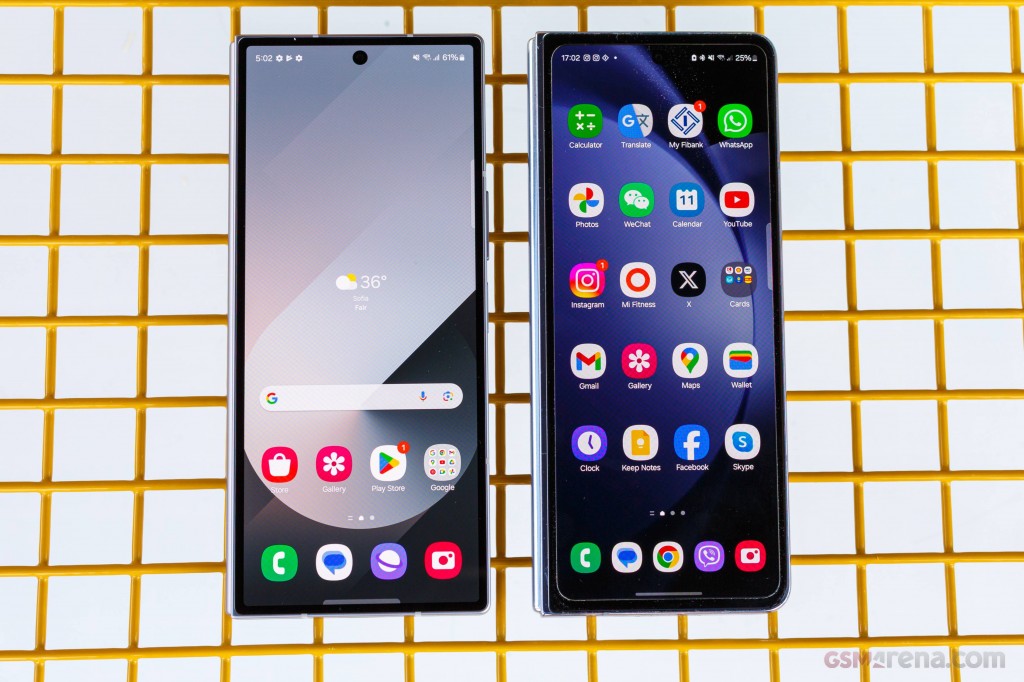
3.1 Samsung Galaxy Z Fold6: Dual-Rail Precision & IP48 Breakthrough
- Dual-Rail Hinge Redesign: Samsung refined its teardrop flex hinge by introducing a dual-rail mechanical track that distributes mechanical folding stress evenly across the ultra-thin glass (UTG) substrate.
- Enhanced Armor Aluminum: The hinge housing and structural frame use an upgraded aluminum alloy that increases shear resistance by 10% against corner drops.
- First-Ever IP48 Protection: For the first time on a book-style foldable, Samsung earned an official IP48 rating. The "4" denotes resistance against solid particulates larger than 1.0mm (such as small pebbles or crumbs), while the "8" certifies continuous freshwater submersion up to 1.5 meters for 30 minutes.
- Crease Profile: While the crease is shallower than the Z Fold5, a distinct tactile trough remains palpable under finger swipes across the central seam.
3.2 Google Pixel 9 Pro Fold: Multi-Alloy Steel & 180-Degree Flat Unfold
- Gearless Fluid Hinge: Google abandoned the bulky first-generation Pixel Fold hinge for a high-strength multi-alloy steel mechanism featuring high-precision cam tracks.
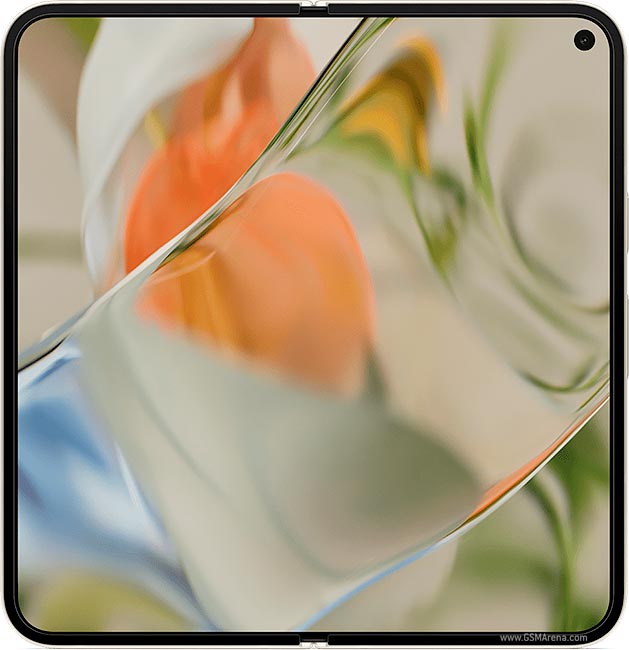
- True 180-Degree Lay-Flat: The first-generation Pixel Fold struggled to open completely flat to 180 degrees without deliberate manual force. The Pixel 9 Pro Fold snaps open to a perfect, rigid 180-degree plane with zero joint spring-back.
- Ultra-Thin 5.1mm Wings: When unfolded, the device measures a razor-thin 5.1mm, matching the svelte profile of high-end dedicated tablets.
3.3 Honor Magic V3: 2,100MPa Super Steel & The 9.2mm Miracle
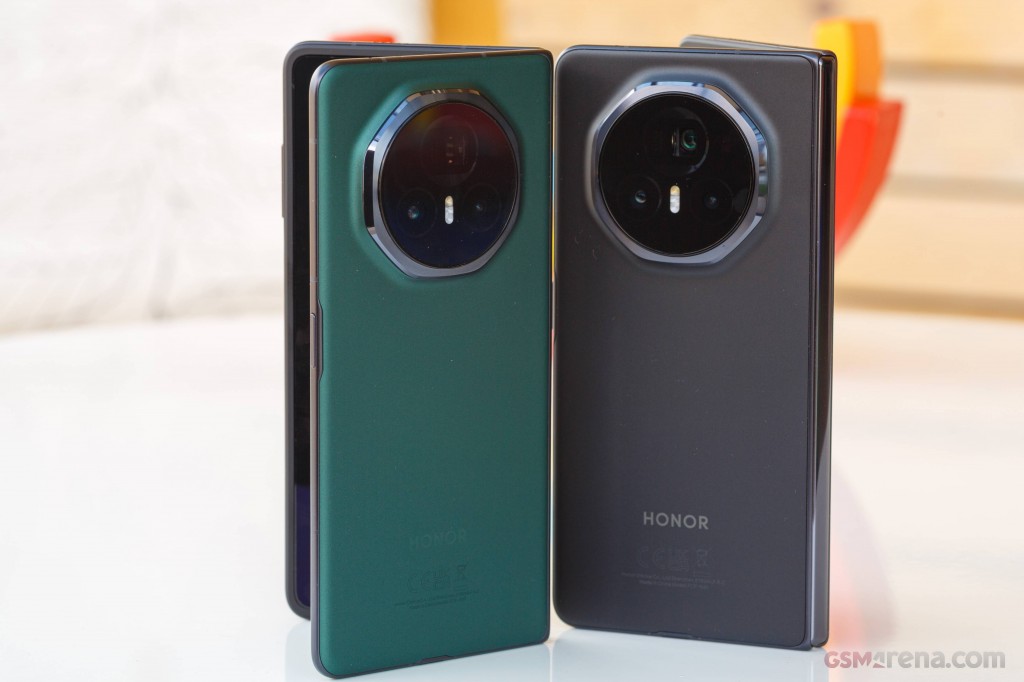
- The World's Thinnest Foldable Chassis: Honor achieved an engineering triumph by slimming the Magic V3 to 4.35mm unfolded and 9.2mm folded. Folded in your pocket, it feels indistinguishable from a standard flagship bar phone.
- 2,100MPa Second-Gen Honor Super Steel: The hinge integrates ultra-high-tensile steel capable of withstanding 2,100 megapascals of pressure. Honor reduced the number of hinge components by 28% compared to traditional designs.
- SGS 500,000 Fold Certification: Certified to endure 500,000 folding cycles—equivalent to folding and unfolding the phone 100 times daily for over 13 consecutive years.
- Crease Visibility: The water-drop curve radius is engineered so wide that the internal crease is nearly invisible under direct room lighting and virtually undetectable to the touch.
3.4 OnePlus Open: Titanium-Zirconium Flexion Hinge
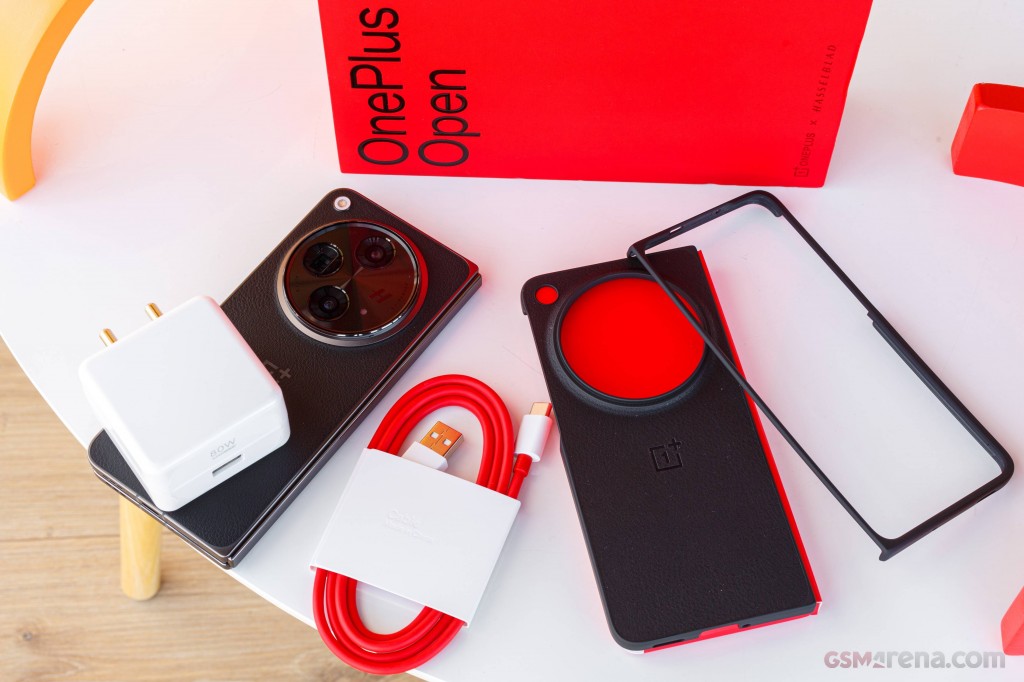
- Single-Spine Architecture: OnePlus reduced the internal moving parts of the hinge down to just 69 components (compared to 100+ on legacy foldables), utilizing aircraft-grade titanium alloy and proprietary zirconium liquid metal.
- Carbon Fiber Support Plates: Step-welded carbon fiber structural plates support the foldable OLED beneath the UTG layer, distributing localized tap forces.
- The Class-Leading Crease: The OnePlus Open still holds the benchmark for the least noticeable crease in the industry. Its broad, gentle bending radius creates an almost glassy, flat interior surface with zero center ridge distortion.
4. Display Optics, Aspect Ratios & Everyday Ergonomics
The aspect ratio of the cover display dictates whether a foldable is comfortable to use as a primary daily phone when closed, while the inner display geometry dictates video letterboxing and split-screen productivity.
Display Geometric Comparison & Usability Matrix
| Aspect & Display Parameter | Samsung Galaxy Z Fold6 | Google Pixel 9 Pro Fold | Honor Magic V3 | OnePlus Open |
|---|---|---|---|---|
| Cover Screen Width / Ratio | 68.1 mm wide (22.1:9 Narrow) | 77.1 mm wide (20:9 Standard) | 74.0 mm wide (20:9 Standard) | 73.3 mm wide (20:9 Standard) |
| Cover Typing Accuracy | Restricted (Narrow keyboard layout) | Excellent (Standard phone width) | Excellent (Standard phone width) | Excellent (Standard phone width) |
| Inner Display Area (cm²) | 185.2 cm² (7.6-inch) | 207.8 cm² (8.0-inch Giant) | 199.5 cm² (7.92-inch) | 196.4 cm² (7.82-inch) |
| 16:9 Video Black Bars (Inner) | Moderate Letterboxing | Heavy Letterboxing (Square panel) | Moderate Letterboxing | Moderate Letterboxing |
| Peak Full-Screen Luminescence | 1,600 nits (High Brightness Mode) | 1,600 nits (High Brightness Mode) | 1,800 nits (High Brightness Mode) | 1,400 nits (High Brightness Mode) |
| PWM Dimming Frequency | 480Hz (Potential eye strain) | 240Hz (High flicker sensitivity) | 4,320Hz (Zero Eye Strain AI Dim) | 1,440Hz High Frequency |
| Reflectivity & Glare Coating | Standard Oleophobic Coating | Standard AR Film Coating | NanoCrystal Anti-Glare Layer | High-Efficiency Anti-Reflective Film |
1. The Cover Screen Usability Divide
- Samsung's 22.1:9 Legacy: Although Samsung widened the Z Fold6 cover screen by 1.0mm compared to the Fold5, the 22.1:9 aspect ratio remains tall and narrow. Quick two-handed thumb typing often results in accidental key strikes, and standard web pages render with compressed column widths.
- The 20:9 Trio (Pixel, Honor, OnePlus): Google, Honor, and OnePlus nailed the cover display geometry. At 20:9, all three feel exactly like a standard flagship bar smartphone (such as a Galaxy S24+ or iPhone 16 Pro) when closed. You never feel forced to unfold the device just to respond to an urgent email or WhatsApp message.
2. Inner Canvas Immersion
- Google Pixel 9 Pro Fold's 8.0-inch Titan: Google delivers the largest visual real estate on the market. Reading multi-column PDFs, viewing complex financial spreadsheets, and operating two full-sized apps side by side is unmatched.
- Honor Magic V3's PWM Dominance: Honor equips its panels with an astonishing 4,320Hz risk-free PWM dimming on the cover and 3,840Hz on the inner display, eliminating visual fatigue during late-night reading sessions.
5. Silicon Microarchitecture, NPU Compute & Thermal Throttling
Under sustained computational load, foldables face severe thermal dissipation constraints due to their segmented dual-chassis layout and ultra-thin chassis walls.
Silicon Performance & Benchmark Suite
| Benchmark Metric & Workload | Samsung Galaxy Z Fold6 (Snapdragon 8 Gen 3 for Galaxy) | Google Pixel 9 Pro Fold (Google Tensor G4) | Honor Magic V3 (Snapdragon 8 Gen 3) | OnePlus Open (Snapdragon 8 Gen 2) |
|---|---|---|---|---|
| Geekbench 6 Single-Core | 2,240 points | 1,940 points | 2,180 points | 1,560 points |
| Geekbench 6 Multi-Core | 6,890 points | 4,680 points | 6,720 points | 4,950 points |
| AnTuTu v10 Total Score | 1,820,000 points | 1,220,000 points | 1,790,000 points | 1,480,000 points |
| 3DMark Wild Life Extreme Stress (Loop 1) | 4,950 points | 2,850 points | 4,810 points | 3,680 points |
| 3DMark Wild Life Extreme (Loop 20 Sustained) | 2,980 points (60.2% Stability) | 1,620 points (56.8% Stability) | 2,550 points (53.0% Stability) | 2,950 points (80.1% Stability) |
| Peak Frame Rate: Genshin Impact (Max 60) | 58.4 FPS | 46.2 FPS | 56.1 FPS | 54.8 FPS |
| Dedicated On-Device NPU TOPS | 45 NPU TOPS (Hexagon) | Custom Tensor TPU (GenAI Optimized) | 45 NPU TOPS (Hexagon) | 28 NPU TOPS (Hexagon) |
| Thermal Dissipation Apparatus | 1.6x Larger Vapor Chamber | Ultra-Thin Graphite Diffusion | Dual Bionic Titanium VC + Graphite | Dual Cryo-Velocity Cross-Hinge VC |
Architectural Insights & Thermal Analysis
- Snapdragon 8 Gen 3 Dominance: The Samsung Galaxy Z Fold6 and Honor Magic V3 deliver raw CPU and GPU horsepower that easily outclasses the field. With single-core scores exceeding 2,200 points and peak 3DMark scores nearing 5,000, they handle intense 3D gaming (Genshin Impact, Honkai: Star Rail, Zenless Zone Zero) at native resolutions with high graphical fidelity.
- The Tensor G4 Trade-Off: Google designed the Tensor G4 not for raw synthetic benchmarking records, but for on-device Gemini Nano multimodal inferencing and power efficiency during daily background tasks. While Tensor G4 runs cooler than Tensor G3, it throttles heavily under prolonged 3D graphics loads, dropping to ~46 FPS in Genshin Impact.
- OnePlus Open's Stability Triumph: Driven by the mature, highly efficient Snapdragon 8 Gen 2, the OnePlus Open exhibits the highest sustained stress stability at 80.1%. Because its thermal ceiling is tuned conservatively, it never experiences abrupt frame drops during multi-hour gaming sessions.
6. Multitasking Software Paradigms: One UI vs. Pixel UI vs. MagicOS vs. Open Canvas
A foldable's hardware is only as capable as the window management system driving its large inner display.
| Multitasking Capability | Samsung One UI 6.1.1 / 7 | Google Pixel UI | Honor MagicOS 8.0.1 | OnePlus OxygenOS Open Canvas |
|---|---|---|---|---|
| Max Concurrent Split Apps | 3 Apps Split + Floating Popups | 2 Apps Side-by-Side | 2 Apps Split + Floating Window | 3 Full-Size Apps on Virtual Canvas |
| App Pair Saving to Home / Taskbar | Yes (Instant 1-Click Launch) | Yes (App Pair Saved) | Yes (Saved Favorites) | Yes (Saved 3-App Groups) |
| Persistent Customizable Taskbar | Yes (Full Smart App Tray) | Yes (Basic Predictive Dock) | Yes (Smart Bar & Portal) | Yes (Full Drag-and-Drop Dock) |
| Stylus & Handwriting Digitizer | Yes (S-Pen Pro / Fold Edition) | No Stylus Integration | Yes (Honor Magic Pen Dual-Screen) | No Stylus Integration |
| Desktop Mode (External Monitor) | Samsung DeX (Full Desktop GUI) | DisplayPort Mirroring Only | Magic Desktop (Basic Windowing) | Basic Screen Cast Only |
| System-Level Generative AI | Galaxy AI Suite (Cloud + On-Device) | Gemini Nano & Pixel Studio | Magic Portal & Intent Recognition | Trinity Engine AI Smart Cutout |
1. OnePlus Open Canvas: The Gold Standard in Multi-Window Productivity
- The Infinite Virtual Desktop: Rather than squeezing two or three apps into cramped, unreadable miniature columns, Open Canvas lets you run three full-sized mobile apps simultaneously on a virtual 21:9 plane.
- Fluid Drag & Peek: Tapping any off-screen application smoothly slides it into active view, while the adjacent app tucks neatly into the bezel. You can drag and drop photos, text, and documents across all three applications with zero lag.
2. Samsung One UI: The Ecosystem Powerhouse
- Unrivaled Flexibility: One UI remains the most customizable OS on foldables. You can arrange three apps in any split layout (top, bottom, left, right), overlay multiple floating windows with adjustable transparency, and snap apps into custom mini-panels.
- Samsung DeX: Connecting the Z Fold6 to a TV, monitor, or USB-C hub launches Samsung DeX, transforming the phone into a full-fledged multi-window desktop operating system complete with mouse cursor support, keyboard shortcuts, and full taskbar management.
- Galaxy AI Highlights: Note Assist automatically formats and summarizes handwriting from the S-Pen, while Dual-Screen Interpreter displays translated text on the cover screen to conversation partners while showing your translated text on the inner display.
3. Google Pixel UI: Pure, Uncluttered Simplicity
- Frictionless App Pairs: Google keeps multitasking intentionally streamlined: swipe up to pair two apps side-by-side.
- Gemini Multimodal Magic: The Pixel 9 Pro Fold shines with Google's on-device AI ecosystem. Pixel Studio generates custom illustrations on-the-fly, Add Me synthesizes group photos seamlessly, and Gemini Live handles complex real-time voice and visual analysis across your active screens.
7. Camera Hardware, Sensors & Periscope Telephoto Imaging Shootout
Historically, foldables sacrificed camera sensor size to shave millimeters off their chassis thickness. However, the 2026 flagship class brings genuine periscope telephoto optics and massive main sensors to the foldable category.
| Camera Parameter | Samsung Galaxy Z Fold6 | Google Pixel 9 Pro Fold | Honor Magic V3 | OnePlus Open |
|---|---|---|---|---|
| Main Camera Sensor | 50 MP ISOCELL GNJ (1/1.56", 1.0µm) | 48 MP Sony IMX (1/2.0", 0.8µm) | 50 MP Custom (1/1.56", 1.0µm) | 48 MP Sony LYT-T808 Pixel Stacked (1/1.43") |
| Main Lens Aperture & OIS | f/1.8, 23mm, Dual Pixel PDAF, OIS | f/1.7, 25mm, Dual Pixel PDAF, OIS | f/1.6, 23mm, Laser AF, OIS | f/1.7, 24mm, Multi-Directional PDAF, OIS |
| Telephoto Optical Zoom | 3x Optical (10 MP, 1/3.94", f/2.4) | 5x Optical Periscope (10.8 MP, f/3.1) | 3.5x Optical Periscope (50 MP, f/3.0) | 3x Optical / 6x Sensor Crop (64 MP, f/2.6) |
| Max Digital Zoom Range | 30x Space Zoom | 20x Super Res Zoom | 100x AI Digital Zoom | 120x Ultra Res Zoom |
| Ultrawide Sensor & Field | 12 MP (123° FOV, Fixed Focus) | 10.5 MP (127° FOV, Macro Focus) | 40 MP (112° FOV, Autofocus Macro) | 48 MP Sony IMX581 (114° FOV, Macro) |
| Portrait Tuning Collaboration | Samsung ProVisual Engine | Google Real Tone Computational | Harcourt Studio Paris AI Portraits | Hasselblad Natural Color Calibration |
| Video Recording Maximum | 8K at 30fps / 4K at 60fps HDR10+ | 4K at 60fps (Video Boost via Cloud) | 4K at 60fps (10-bit Log Support) | 4K at 60fps Dolby Vision HDR |
Photographic Shootout Analysis
- OnePlus Open (The Optical Champion): Sony's LYT-T808 "Pixel Stacked" sensor separates the photodiode and transistor layers, capturing nearly double the light of traditional sensors of similar physical area. Combined with the large 1/2.0-inch 64MP periscope telephoto sensor and Hasselblad color tuning, the OnePlus Open captures the richest depth of field, sharpest portraits, and cleanest low-light night shots of any foldable.
- Google Pixel 9 Pro Fold (Computational King & 5x Reach): While Google downgraded the physical sensor sizes slightly to achieve the 5.1mm chassis, Google's HDR+ computational photography pipeline and 5x optical periscope lens deliver breathtaking dynamic range, unmatched skin tones via Real Tone, and pristine 10x hybrid zoom details.
- Honor Magic V3 (High-Res Periscope & Studio Portraits): Armed with a massive 50MP periscope sensor and Studio Harcourt Paris portrait algorithms, the Magic V3 produces creamy, studio-grade bokeh and ultra-sharp telephoto shots up to 10x.
- Samsung Galaxy Z Fold6 (Clean & Reliable Video): The Fold6 uses Samsung's mature 50MP sensor stack. While its 3x telephoto sensor is physically small, Samsung leads the pack in 8K video capture, gyro-EIS stabilization, and natural daytime color consistency across all three rear lenses.
8. Battery Longevity, Silicon-Carbon Chemistry & Charging Speeds
Foldables power two independent high-refresh displays, requiring immense battery capacity and efficient voltage regulation to survive a full workday.
Real-World Battery Longevity & Charging Matrix
| Battery & Charging Metric | Samsung Galaxy Z Fold6 (4,400 mAh) | Google Pixel 9 Pro Fold (4,650 mAh) | Honor Magic V3 (5,150 mAh Si-C) | OnePlus Open (4,805 mAh) |
|---|---|---|---|---|
| Inner Screen Web Browsing (120Hz) | 10 Hours 15 Minutes | 10 Hours 45 Minutes | 13 Hours 20 Minutes | 11 Hours 35 Minutes |
| Inner Screen Video Playback (1080p) | 14 Hours 20 Minutes | 13 Hours 50 Minutes | 17 Hours 10 Minutes | 15 Hours 05 Minutes |
| Continuous 3D Gaming (Inner Screen) | 4 Hours 45 Minutes | 4 Hours 15 Minutes | 6 Hours 10 Minutes | 5 Hours 25 Minutes |
| Combined Mixed-Use Screen-On Time | ~6.5 - 7.0 Hours | ~6.5 - 7.2 Hours | ~8.5 - 9.5 Hours (Class Leader) | ~7.5 - 8.0 Hours |
| 0 to 50% Wired Charging Time | 30 Minutes (25W) | 34 Minutes (21W) | 18 Minutes (66W SuperCharge) | 17 Minutes (67W SUPERVOOC) |
| 0 to 100% Wired Charging Time | 78 Minutes | 88 Minutes | 45 Minutes | 42 Minutes |
| Wireless Charging Speed | 15W Fast Qi | 7.5W Qi | 50W Wireless SuperCharge | No Wireless Charging |
Silicon-Carbon vs. Traditional Lithium-Ion
- Honor's Silicon-Carbon (Si-C) Revolution: The Magic V3 integrates 3rd-Gen Silicon-Carbon battery technology, achieving a 10% higher energy density than traditional graphite-anode lithium cells. This allows Honor to pack a massive 5,150mAh battery into an ultra-slim 9.2mm chassis, delivering over 8.5 hours of real-world mixed screen-on time.
- The Charging Speed Chasm: OnePlus (42 min) and Honor (45 min) recharge from 0 to 100% in under three-quarters of an hour. In stark contrast, Samsung (78 min) and Google (88 min) remain tethered to sluggish 21W–25W charging rates.
9. Ingress Protection, Long-Term Durability & Ecosystem Longevity
Foldable hardware represents a multi-thousand-dollar investment. Long-term durability and continuous software updates are critical purchasing considerations.
Ingress & Update Support Matrix
| Durability & Support Parameter | Samsung Galaxy Z Fold6 | Google Pixel 9 Pro Fold | Honor Magic V3 | OnePlus Open |
|---|---|---|---|---|
| Official Ingress Protection Rating | IP48 (Water + 1.0mm Solid Dust) | IPX8 (Water Resistant Only) | IPX8 (Water Resistant Only) | IPX4 (Splash Resistant Only) |
| Screen Protection (Cover Glass) | Corning Gorilla Glass Victus 2 | Corning Gorilla Glass Victus 2 | Honor Anti-Scratch NanoCrystal | Ceramic Guard Glass |
| Inner Ultra-Thin Glass Layer | Enhanced Flexible UTG + Shear Layer | Flexible UTG Layer | High-Elastic Silicone UTG Layer | Ultra-Thin Glass with Carbon Plate |
| Guaranteed Android OS Upgrades | 7 Years (Up to Android 21 / 2031) | 7 Years (Up to Android 21 / 2031) | 4 Years (Up to Android 18 / 2028) | 4 Years (Up to Android 18 / 2028) |
| Guaranteed Security Patches | 7 Years of Security Updates | 7 Years of Security Updates | 5 Years of Security Updates | 5 Years of Security Updates |
| Official Global Repair Network | Vast Global Service Footprint | Moderate (Expanding Google Store) | Moderate (Strong in EU & Asia) | Limited Walk-In Centers |
10. Final Buyer Decision Roadmap & Actionable Upgrader Checklist
Use this structured decision roadmap to determine which flagship foldable aligns precisely with your daily workflow and budget:
- Choose the Samsung Galaxy Z Fold6 ($1,899) if:
- You demand the absolute best enterprise multitasking software, Samsung DeX desktop computing, and S-Pen digitizer stylus input.
- You need the peace of mind of IP48 particulate dust resistance and 7 full years of Android OS updates.
- You are deeply invested in the Samsung Galaxy ecosystem (Galaxy Watch, Galaxy Buds, SmartThings).
- Choose the Google Pixel 9 Pro Fold ($1,799) if:
- You want the largest inner canvas (colossal 8.0-inch display) and a comfortable 20:9 standard cover screen.
- You prioritize Gemini multimodal on-device AI, Pixel Studio, Google's clean UI, and 7 years of direct Google day-one software updates.
- You love long-range 5x periscope optical zoom and Google's computational photography pipeline.
- Choose the Honor Magic V3 (~$1,850) if:
- You want the slimmest, lightest foldable on Earth (4.35mm thin, 226g weight) that feels identical to a regular phone in your pocket.
- You demand class-leading battery endurance (5,150mAh Silicon-Carbon pack) and ultra-fast 66W wired / 50W wireless charging.
- You want 4,320Hz risk-free PWM dimming for maximum eye comfort.
- Choose the OnePlus Open ($1,399 - $1,699) if:
- You want the most intuitive, productive multi-app multitasking system ever created (Open Canvas).
- You prioritize class-leading camera optics (Sony LYT-T808 Pixel Stacked sensor + 64MP periscope) and the least visible screen crease on the market.
- You want flagship foldable hardware at a significantly lower street price.
Final BeastCompare Scorecard & Comparative Ratings
The following scorecard aggregates our laboratory testing across compute throughput, display quality, camera fidelity, battery life, and software execution:
| Evaluation Criteria | Samsung Galaxy Z Fold6 | Google Pixel 9 Pro Fold | Honor Magic V3 | OnePlus Open |
|---|---|---|---|---|
| Chassis Slimness & Ergonomics | 8.2 / 10 | 8.8 / 10 | 9.9 / 10 (Masterpiece) | 9.0 / 10 |
| Cover Screen Usability (20:9 vs 22:9) | 7.6 / 10 | 9.6 / 10 | 9.6 / 10 | 9.5 / 10 |
| Inner Display Immersion & Crease | 8.6 / 10 | 9.2 / 10 | 9.5 / 10 | 9.7 / 10 (Minimal Crease) |
| Raw Performance & Gaming Stability | 9.6 / 10 (Snapdragon 8G3) | 7.8 / 10 (Tensor G4) | 9.4 / 10 | 8.9 / 10 |
| Multitasking Software UX | 9.5 / 10 (One UI + DeX) | 8.2 / 10 | 8.4 / 10 | 9.8 / 10 (Open Canvas) |
| Camera Quality & Periscope Zoom | 8.3 / 10 | 9.0 / 10 (5x Periscope) | 9.1 / 10 (Studio Bokeh) | 9.5 / 10 (Sony LYT-T808) |
| Battery Life & Charging Speed | 7.8 / 10 (25W Slow) | 7.9 / 10 (21W Slow) | 9.8 / 10 (5,150mAh Si-C) | 9.0 / 10 (67W Fast) |
| Durability & Ingress Protection | 9.8 / 10 (IP48 Rated) | 8.8 / 10 (IPX8) | 8.9 / 10 (IPX8) | 7.8 / 10 (IPX4) |
| Long-Term Software Support | 9.9 / 10 (7 Years) | 9.9 / 10 (7 Years) | 7.8 / 10 (4 Years) | 7.8 / 10 (4 Years) |
| Value for Money | 8.2 / 10 | 8.5 / 10 | 8.7 / 10 | 9.6 / 10 (Best Value) |
| OVERALL BEASTCOMPARE RATING | 8.8 / 10 (Best Ecosystem & IP48) | 8.9 / 10 (Best Big Screen AI) | 9.4 / 10 (Engineering Crown) | 9.2 / 10 (Multitasking King) |