
vivo Y11d vs ZTE Blade V80 Max: Which One Should You Buy?
ZTE Blade V80 Max edges ahead with a BeastScore of 86.0/100 — but the right choice depends on what matters to you.
vivo Y11d

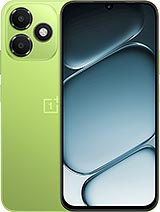
ZTE Blade V80 Max
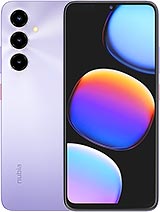
ZTE Blade V80 Max wins 1 of 5 categories
Here's exactly where each phone is stronger.
Bigger shape = better phone.
Scores out of 100. "From specs" scores compare only the specs both phones list. How we score
- Speedfrom specsZTE Blade V80 Max3639
- Camerafrom specsTie8383
- VideoNot enough data
- SelfieTie6060
- Batteryfrom specsTie100100
- Displayfrom specsTie8888
- ConnectivityNot enough data
- SecurityNot enough data
- ValueNot enough data
- vivo Y11d has the bigger battery6,500 mAh vs 6,000 mAh
- ZTE Blade V80 Max has the bigger screen6.9" vs 6.74"
- ZTE Blade V80 Max has more RAM8 GB vs 6 GB
Why buy each phone
Swipe ⇄ZTE Blade V80 Max wins — BeastScore 86.0/100
The ZTE Blade V80 Max is the better pick for most people thanks to its bigger screen (6.9" vs 6.74") and more RAM (8 GB vs 6 GB). The vivo Y11d is worth a look if you prefer its bigger battery (6,500 mAh vs 6,000 mAh).
Larger battery: 6,500 mAh vs 6,000 mAh
More RAM: 8 GB vs 6 GB
Common questions
Which is better: vivo Y11d or ZTE Blade V80 Max?
The ZTE Blade V80 Max is the better pick for most people thanks to its bigger screen (6.9" vs 6.74") and more RAM (8 GB vs 6 GB). The vivo Y11d is worth a look if you prefer its bigger battery (6,500 mAh vs 6,000 mAh). BeastScore: vivo Y11d 86.0/100, ZTE Blade V80 Max 86.0/100.
What are the main battery and display differences between vivo Y11d and ZTE Blade V80 Max?
vivo Y11d has a 6.74-inch display and 6500 mAh battery. ZTE Blade V80 Max has a 6.9-inch display and 6000 mAh battery.
Similar Smartphones







More Smartphones comparisons
vivo Y11d vs vivo Y31d
vivo Y11 5G vs vivo Y11d
vivo Y11 (2023) vs vivo Y11d
vivo Y11d vs Xiaomi Redmi A7
vivo Y11d vs Samsung Galaxy F36 5G
vivo Y11d vs Samsung Galaxy F17 5G
vivo Y11d vs Samsung Galaxy A18
ZTE Blade V80 Max vs Samsung Galaxy A18
Related articles
All articles → Flagship Laptop Architecture & Benchmarks
ASUS ROG Zephyrus G14 vs. Razer Blade 14 vs. HP OMEN Transcend 14 vs. ASUS TUF Gaming A14: The Definitive Flagship 14-inch Compact Gaming & Creator Laptop Architecture, 3K 120Hz OLED Displays, AMD Ryzen AI 9 HX 370 vs. Intel Core Ultra Silicon, RTX 4070 Laptop GPUs, CNC Aluminum Unibodies, Vapor Chamber Acoustics, and Real-World Battery Showdown (2026)
An architectural, thermal, and real-world benchmark showdown comparing the four greatest 14-inch compact gaming and creator laptops: ASUS ROG Zephyrus G14, Razer Blade 14, HP OMEN Transcend 14, and ASUS TUF Gaming A14.
Read →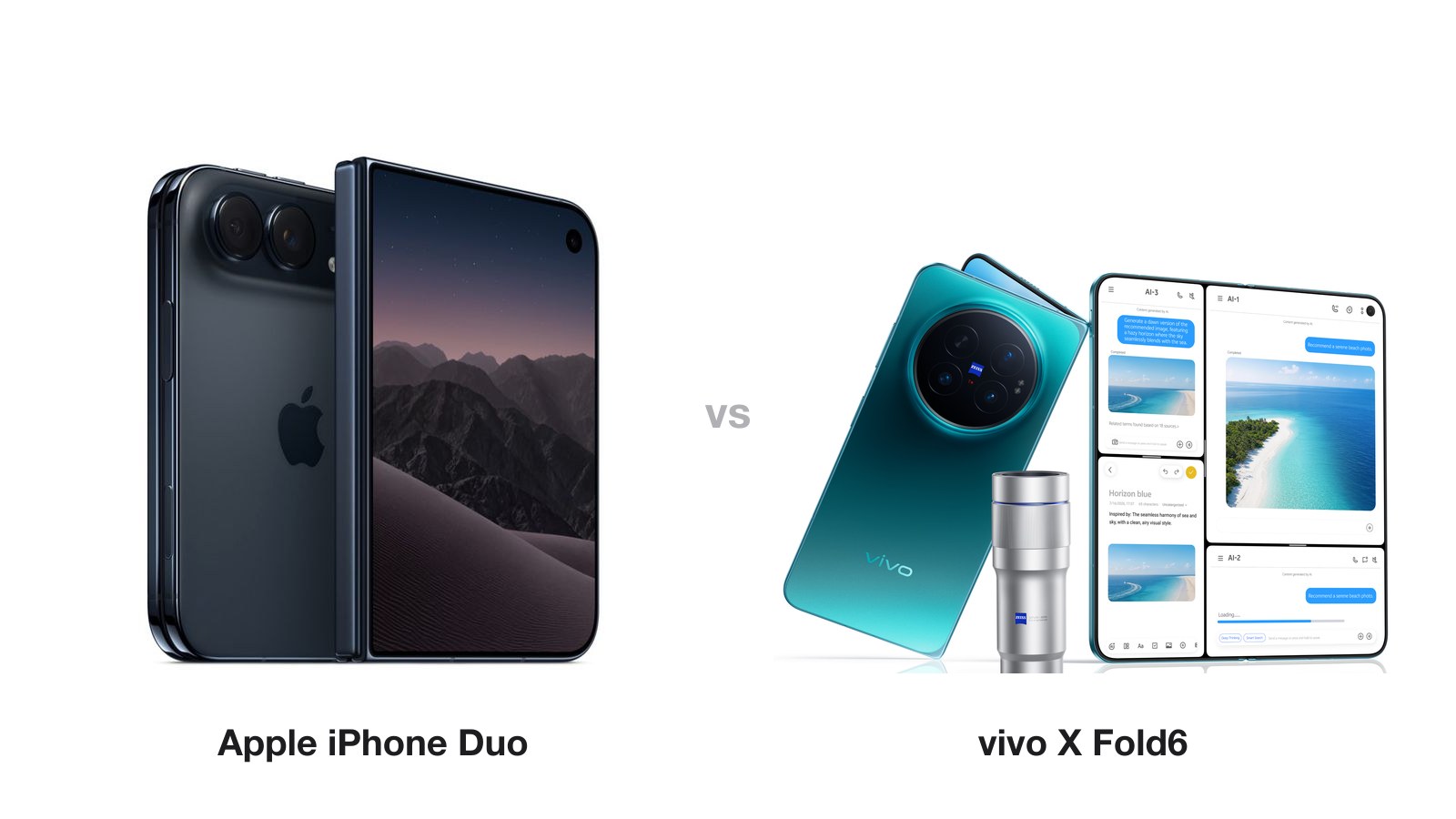 Tech News
iPhone Duo vs vivo X Fold6: Two $2,000 Foldables, One Busy Week
vivo took the X Fold6 global on October 1, and Apple set iPhone Duo pre-orders for October 16 with a "Get Ready" step starting October 12. We put the official specs side by side so you know which foldable fits you before you spend $2,000.
Read → Flagship Power & GaN Comparison 2026
Anker Prime 250W vs. UGREEN Nexode 300W vs. Shargeek 170 vs. Baseus Blade HD 100W: The Definitive Flagship GaN Fast Charger & High-Wattage Power Bank Architecture, USB-PD 3.1 140W EPR Protocol, Multi-Port Power Allocation, Thermal Dissipation, and Real-World Efficiency Showdown (2026)
Gallium Nitride III semiconductors, USB-PD 3.1 Extended Power Range (28V/5A), dynamic multi-port power splitting, IPS digital telemetry displays, and thermal throttling under sustained 250W+ loads compared across top desktop charging stations and portable battery banks.
Read →