
Xiaomi Redmi Note 14 (China) vs Xiaomi Redmi Note 14 Pro+
Direct side-by-side battle analyzing hardware specifications, benchmark percentiles, battery endurance, and category performance advantages.
Xiaomi Redmi Note 14 (China)

Xiaomi Redmi Note 14 Pro+
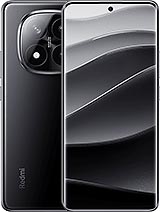
WHY IS Xiaomi Redmi Note 14 Pro+ BETTER THAN Xiaomi Redmi Note 14 (China)?
Tap an area on the radar to inspect category hardware facts
BIGGEST HARDWARE DIFFERENCES
Margin Delta| SPEC FACTOR | Xiaomi Redmi | Xiaomi Redmi | LEADER |
|---|---|---|---|
| Refresh Rate | 120Hz | 120Hz | 120Hz |
| Battery Capacity | 5,110 mAh | 6,200 mAh | +6,200 mAh |
| Wired Fast Charging | Standard | Standard | 25W |
| Main Camera Sensor | 50 MP | 50 MP | 50 MP |
| Screen Display Size | 6.67" | 6.67" | 6.67" |
| Chassis Weight | N/A | N/A | 999g |
Which Phone Should You Buy: Key Reasons & Hardware Advantages
Swipe across ⇄Xiaomi Redmi Note 14 Pro+ edges ahead with a BeastScore of 88.6/100
After comprehensive hardware benchmark comparisons, Xiaomi Redmi Note 14 Pro+ ranks as the overall top pick in this matchup. Key differentiators include its superior specifications and verified build advantages.
Frequently Asked Questions: Xiaomi Redmi Note 14 (China) vs Xiaomi Redmi Note 14 Pro+
Which is better: Xiaomi Redmi Note 14 (China) or Xiaomi Redmi Note 14 Pro+?
Xiaomi Redmi Note 14 Pro+ leads with an overall BeastScore of 88.6/100 compared to Xiaomi Redmi Note 14 (China) (84.1/100), driven by advantages in Higher overall BeastScore: 88.6 vs top rival 84.1 and Larger battery capacity: 6,200 mAh (+1,090 mAh more).
What are the primary battery and display differences between Xiaomi Redmi Note 14 (China) and Xiaomi Redmi Note 14 Pro+?
Xiaomi Redmi Note 14 (China) is equipped with a 6.67-inch display and 5110 mAh battery, while Xiaomi Redmi Note 14 Pro+ features a 6.67-inch display and 6200 mAh battery.
How do the performance capabilities compare between Xiaomi Redmi Note 14 (China) and Xiaomi Redmi Note 14 Pro+?
In objective hardware benchmarks, Xiaomi Redmi Note 14 (China) achieves a 86/100 performance score, while Xiaomi Redmi Note 14 Pro+ scores 95/100.
Related Smartphones (Based on Benchmark Scores)






More Smartphones Battles
Xiaomi Redmi Note 12 (China) vs Xiaomi Redmi Note 14 (China)
Xiaomi Redmi Note 13 (China) vs Xiaomi Redmi Note 14 (China)
Xiaomi Redmi Note 14S vs Xiaomi Redmi Note 14 (China)
Xiaomi Redmi Note 14 vs Xiaomi Redmi Note 14 (China)
Xiaomi Redmi Note 14 Pro vs Xiaomi Redmi Note 14 (China)
Xiaomi Redmi Note 14 Pro+ vs Xiaomi Redmi Note 15 Pro+ 5G (China)
Redmi Note 12 Pro+ vs Xiaomi Redmi Note 14 Pro+
Redmi Note 13 Pro+ vs Xiaomi Redmi Note 14 Pro+
Related In-Depth Articles & Lab Reports
 Update
Xiaomi starts beta test recruitment for HyperOS 4
Xiaomi has started recruiting beta testers for HyperOS 4 across eligible flagship devices, focusing on smoother animations, lower background RAM usage, and improved AI features.
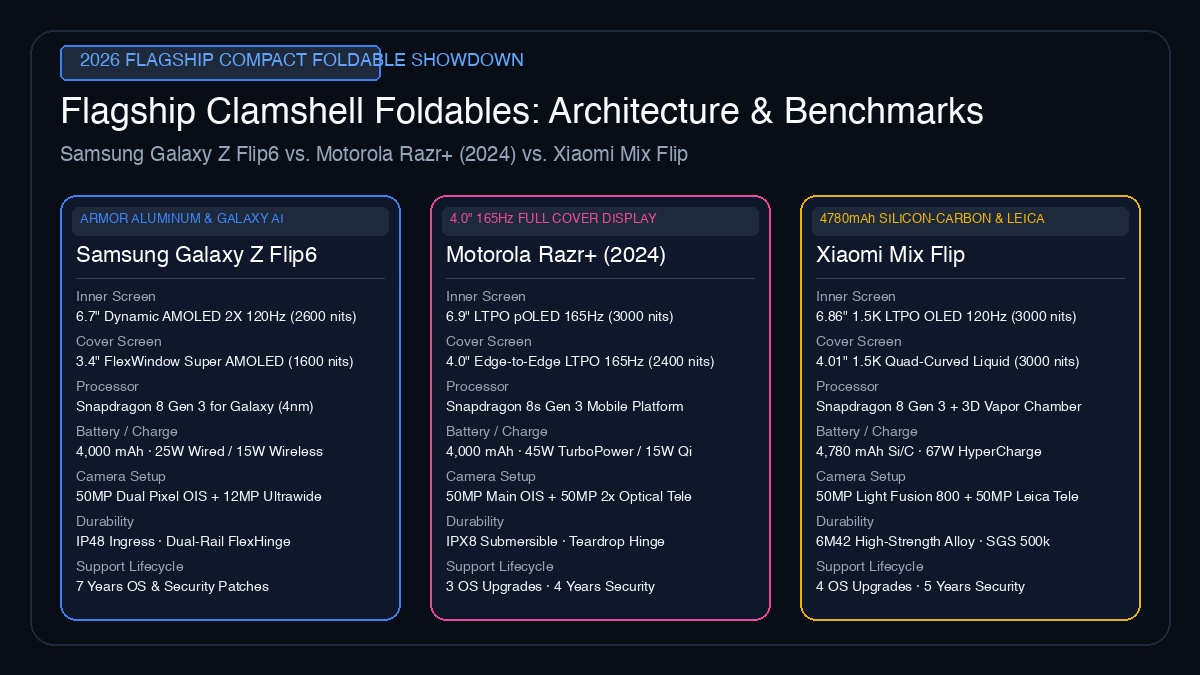 Definitive Foldable Guide 2026
Samsung Galaxy Z Flip6 vs. Motorola Razr+ (2024) vs. Xiaomi Mix Flip: The Definitive Flagship Clamshell Foldable Architecture, Outer Screen Workflows, Armor Aluminum & Titanium Hinges, Silicon-Carbon Batteries, and Dual 50MP Camera Showdown (2026)
A rigorous 2026 engineering and lab benchmark comparison of the top three clamshell foldables: evaluating Qualcomm Snapdragon 8 Gen 3 for Galaxy vs. 8s Gen 3, teardrop dual-rail hinge mechanics, 1.5K quad-curved vs. 165Hz cover displays, 4,780mAh silicon-carbon battery chemistry, and Leica vs. ProVisual computational photography.
 Digital Paper Flagship Showdown
reMarkable Paper Pro vs. Amazon Kindle Scribe vs. BOOX Note Air3 C vs. Kobo Elipsa 2E: The Definitive Flagship Digital E-Ink Notebook & Color Canvas Architecture, Canvas Color vs. Kaleido 3 vs. Carta 1200 Displays, 12ms Stylus Latency, Frontlight Uniformity, PDF Annotation Engines, and Battery Longevity Showdown (2026)
An exhaustive 2026 architectural deep dive comparing the reMarkable Paper Pro, Amazon Kindle Scribe, BOOX Note Air3 C, and Kobo Elipsa 2E across active-particle Canvas Color vs. Kaleido 3 RGB filter arrays vs. Carta 1200, 12ms stylus latency, frontlight optical wave guides, PDF annotation engines, and Linux vs. Android vs. proprietary OS battery endurance.