
Best Screen-Free Toys for Kids
20 picks by age, from about $7 to $100
Our #1 pick is the Yoto Mini (2024 Edition). Audio players, magnetic tiles, coding mice, science kits and games that kids actually use. Each pick says the age, the set-up and who should skip it.
How we picked: we shortlist by Amazon Best Seller rank and number of ratings, then compare published specs. We don’t test these products hands-on.
By Jamilur Rahman, Founder & Editor · Updated November 9, 2026
- Owner reviews checked
- Features side by side
- Quick & easy compare
- Smarter purchase
The short answer
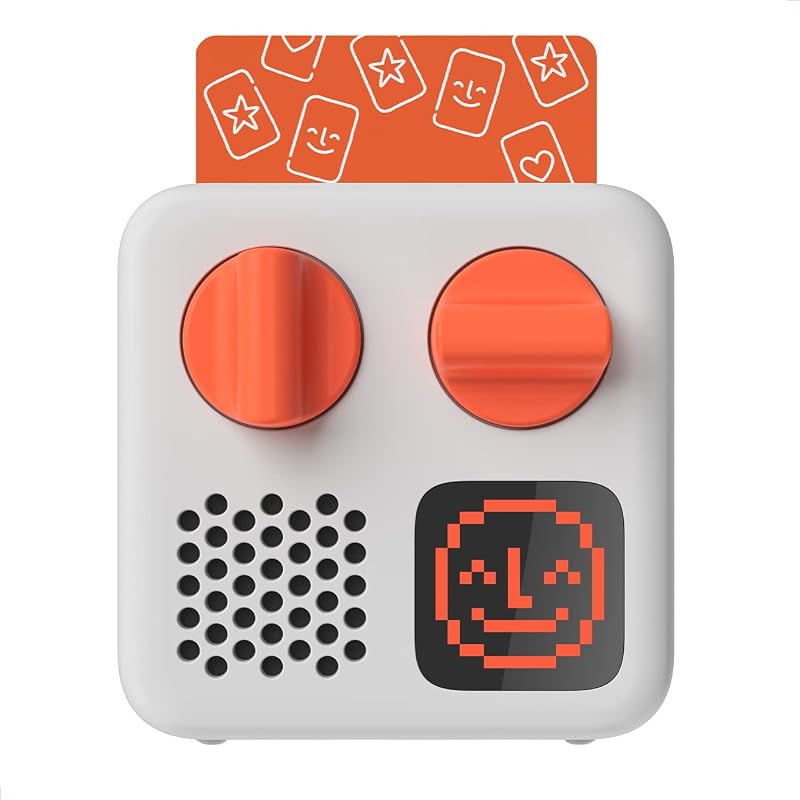
The best screen-free toy for most kids is the Yoto Mini (2024 Edition), a pocket audio player for ages 3 to 12 that plays stories, music and podcasts from physical cards, with no camera, no mic and no ads, says the listing. It suits any child who likes listening while building or drawing, and it is the one toy here that works in the car, on a plane and at bedtime.
Pick by age. For ages 3–5, the GeoSafari Kidnoculars get kids outside, the Learning Resources Code & Go Robot Mouse is a first coding toy that needs no tablet, and Hoot Owl Hoot is a gentle team game. For ages 6–8, CATAN Junior is the first real strategy game, Kanoodle is a pocket puzzle and the Snap Circuits Explorer SC-100 is a first electronics kit. For ages 9–12, the Rubik’s Cube, ThinkFun Rush Hour, the National Geographic Hobby Rock Tumbler and the National Geographic Dual LED Microscope reward patience. For the whole family, MAGNA-TILES Classic and Kinetic Sand work from age 3 up.
Skip the Yoto Mini if you want a toy that is fun the moment it leaves the box. Set-up runs through the free Yoto app on a parent’s phone, most audiobook cards are sold separately, and a child who does not like listening will not use it. Buy the MAGNA-TILES Classic set instead. Skip it too for children under 3, because the listing starts at age 3.
How we picked: many lists mix every age together and run to 30 or 40 toys. We kept this to 20, sorted them by age, and wrote down who should skip each one, such as toys with small pieces, toys that need an adult to set up and toys that are loud. We shortlisted well-known brands that owners rate highly on Amazon, then read each listing for ages, batteries and pieces. We don’t test hands-on: the notes come from the listings and what owners report. Price bands were checked in November 2026.
Compare them side by side
Everything that matters, in one table. Swipe to see all 20.
| Product | Best overall · Ages 3–12 Yoto Mini (2024 Edition) Portable audio player, ages 3–12 |  Ages 3–5 · Best outdoor toy GeoSafari Kidnoculars Toy binoculars, ages 3–5 |  Ages 3–5 · Best pretend play Melissa & Doug Scoop & Serve Ice Cream Counter Wooden pretend-play shop |  Ages 3–5 · Best first board game Peaceable Kingdom Hoot Owl Hoot Cooperative matching game |  Ages 3–5 · Best screen-free coding toy Learning Resources Code & Go Robot Mouse Activity Set Screen-free coding robot, ages 4+ | 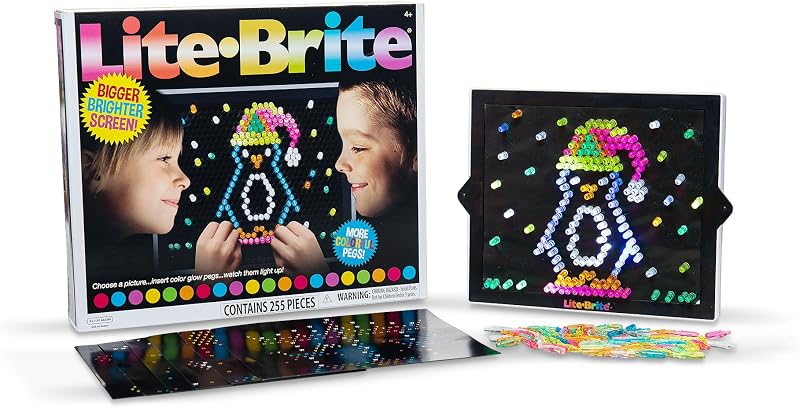 Ages 3–5 · Best creative toy Lite-Brite Ultimate Value Set Light-up peg art toy, ages 4+ |  Ages 6–8 · Best family game CATAN Junior Strategy board game, ages 6+ |  Ages 6–8 · Best travel puzzle Educational Insights Kanoodle Pocket logic puzzle, ages 7+ |  Ages 6–8 · Best drawing kit Spirograph Deluxe Spiral Drawing Kit Gear drawing set, ages 8+ |  Ages 6–8 · Best electronics kit Snap Circuits Explorer SC-100 Electronics kit, ages 8+ |  Ages 6–8 · Best craft kit Perler Assorted Fuse Beads Kit Fuse bead craft kit, ages 6+ |  Ages 9–12 · Best brain teaser Rubik’s Cube, The Original 3x3 Classic puzzle cube, ages 8+ | 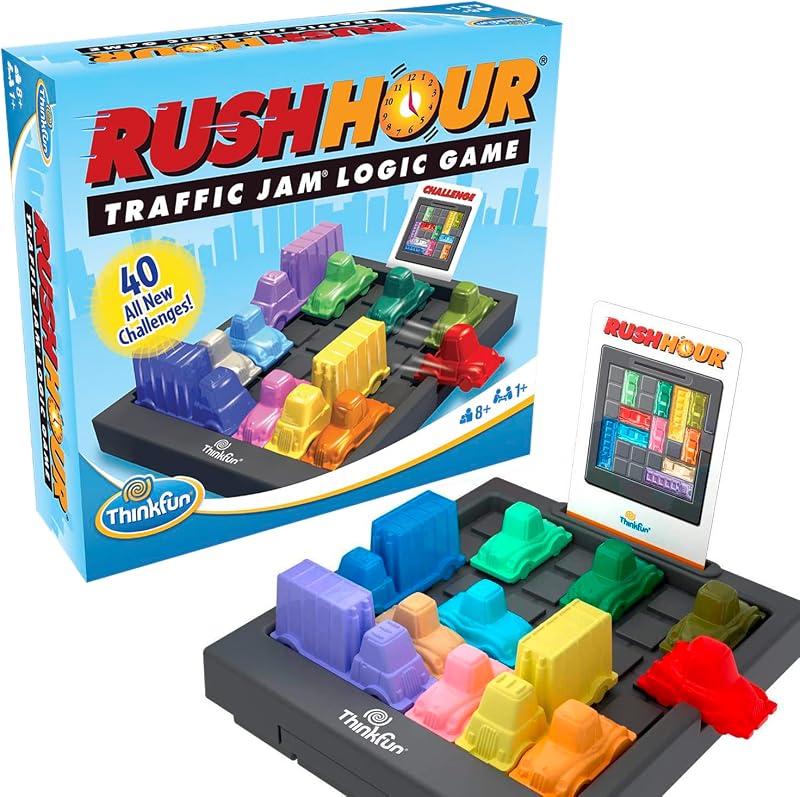 Ages 9–12 · Best logic game ThinkFun Rush Hour Sliding-block logic game, ages 8+ |  Ages 9–12 · Best build kit Klutz LEGO Gadgets Activity Kit Build book with LEGO elements, ages 8–12 | 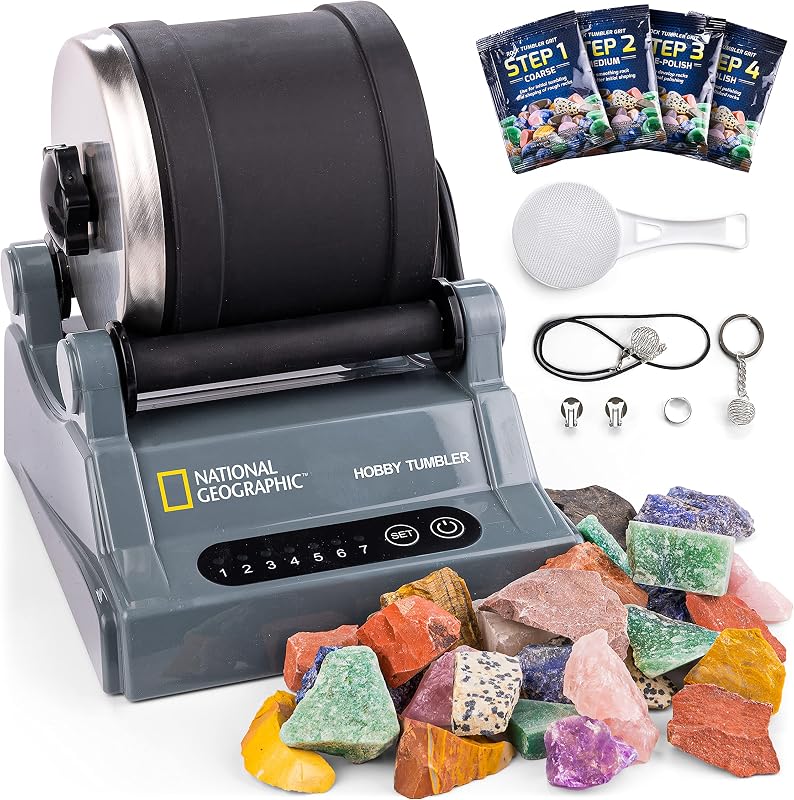 Ages 9–12 · Best science hobby National Geographic Hobby Rock Tumbler Kit Rock tumbler hobby kit, ages 8+ |  Ages 9–12 · Best science gadget National Geographic Dual LED Microscope Kit Optical microscope kit, ages 8–12 |  All ages · Best building toy MAGNA-TILES Classic 32-Piece Set Magnetic building tiles, ages 3+ |  All ages · Best sensory toy Kinetic Sand 3.25 lb Beach Sand Moldable sensory sand, ages 3–12 | 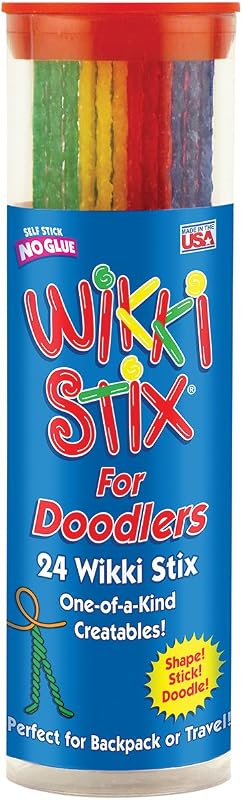 All ages · Best travel toy Wikki Stix Doodler Travel Tube Bendable wax craft sticks, ages 3+ |  All ages · Best screen-free gadget Inspireyes Rechargeable Kids Walkie Talkies, 2 Pack Two-way radios, ages 3–12 |
|---|---|---|---|---|---|---|---|---|---|---|---|---|---|---|---|---|---|---|---|---|
| BeastScore | 94 / 100 | 88 / 100 | 87 / 100 | 89 / 100 | 90 / 100 | 86 / 100 | 91 / 100 | 90 / 100 | 88 / 100 | 92 / 100 | 87 / 100 | 89 / 100 | 91 / 100 | 86 / 100 | 90 / 100 | 88 / 100 | 93 / 100 | 88 / 100 | 85 / 100 | 84 / 100 |
| Best for | Kids ages 3 to 12 who like stories, music and podcasts at home, in the car or at bedtime. | Preschoolers ages 3 to 5 who like the backyard, the park and nature walks. | Ages 3 to 6 who love playing shop, café or house, alone or with a sibling. | Ages 4 and up who hate losing at normal games, because here everyone wins or loses together. | Ages 4 and up for a first lesson in coding with buttons and cards, with no tablet. | Ages 4 and up who like art and patterns and can pick up small pegs. | Ages 6 to 8 ready for a real strategy game they can play with parents. | Ages 7 and up who like a solo puzzle for car trips, restaurants and waiting rooms. | Ages 6 to 12 who want to draw something that looks harder to make than it is. | Ages 8 and up who take things apart and want to build working gadgets. | Ages 6 and up who like crafts and want to keep what they make. | Ages 9 to 12 who like puzzles and want something to carry in a pocket. | Ages 8 to 12 who like puzzles and a quiet hour on their own. | Ages 8 to 12 who like making small things work, with the book and bricks in one box. | Ages 8 to 12 who collect rocks and are patient enough to wait for the polish. | Ages 8 to 12 who collect bugs, leaves and rocks and ask how things work. | Ages 3 and up, from a preschooler’s first tower to a tween’s 3D builds, and siblings who share. | Ages 3 to 12 who like squishy, calming play, alone or side by side. | Ages 3 and up on planes, in restaurants and in waiting rooms. | Ages 3 to 12 who play outside and want to talk to each other without a phone. |
| Typical price (checked November 9, 2026) | $60–$80 | $10–$15 | $30–$40 | $15–$25 | $35–$45 | $15–$25 | $35–$45 | $8–$12 | $20–$30 | $30–$40 | $12–$18 | $8–$12 | $18–$25 | $18–$25 | $50–$65 | $80–$100 | $40–$50 | $15–$20 | $7–$10 | $18–$25 |
| Ages | 3–12 | 3–5 | 36 months–6 years | 4+ | 4+ | 4+ | 6+ | 7+ | 8+ (listing also pitches ages 6–8) | 8+ | 6+ | 8+ | 8+ | 8–12 | 8+ | 8–12 | 3+ | 3–12 | 3+ | 3–12 |
| Batteries | Rechargeable, up to 14 hours per charge | None | None | None | 3 AAA batteries (not included) | 3 AA batteries | None | None | None | Batteries required (see listing for type) | None (an adult uses an iron) | None | None | None | See listing | See listing | None | None | None | Built-in rechargeable battery |
| Pieces | Player plus audio cards | 1 binoculars with neck strap | 28 toy food and accessory pieces | See listing | 83 pieces | 240 pegs, 12 templates | See listing | 12 pieces | See listing | 29 parts, 100+ projects | 4,000 beads, 16 colors | 1 cube | 15 blocking vehicles and 1 red car | 58 LEGO elements, 6 papercraft sheets | Tumbler, 4 grits, sifter, 9 rough stones | 10 prepared slides, 50+ accessories | 32 translucent tiles in 6 colors | 3.25 lb of sand | 24 sticks, 6 inches each | 2 radios |
| Set-up | Parent sets it up once in the free app | None: hand over and go | Adult unboxes; kids play | Adult explains the first round | Adult builds the first maze | None: pegs and templates inside | Adult teaches the first game | None: open and play | None, but a younger child needs help at first | Child follows the project book | Adult irons each finished design | None | None: pick a challenge card | Child follows the 80-page book | Adult helps load and clean the grit | Adult helps with the first slide | None: snap and build | Needs a tray or table mat | None | Charge, pick a channel and go |
| Key features |
|
|
|
|
|
|
|
|
|
|
|
|
|
|
|
|
|
|
|
|
BeastScore here is our overall rating out of 100, based on published specs and Amazon owner reviews. Prices change daily, so tap "View on Amazon" for today's price. We may earn a small commission, at no extra cost to you. Learn more
Why each one made the list
What each pick does best, where it falls short, and the typical Amazon price when we checked.
- 1. Best overall · Ages 3–12
Yoto Mini (2024 Edition)
BeastScore 94 / 100Typically $60–$80 on Amazon (checked November 9, 2026)A screen-free toy sticks when it replaces something, and this one replaces the tablet at bedtime and in the car. A child slots in a card and the story plays, and the dials handle volume and tracks, so a 3 year old can run it alone. The listing promises no cameras, no mics and no ads, and up to 14 hours per charge. The catch is cost over time: the player is only the start, and most audiobook cards are sold separately. A parent also sets it up once in the app. Skip it for a child who gets bored by listening.
Pros- No camera, no mic and no ads, per the listing
- Up to 14 hours per charge for road trips
- Covers ages 3 to 12, so siblings can share it
Cons- Most audiobook cards cost extra, so the real price grows
- Set-up runs through the app on a parent’s phone
- A waste for a child who does not like audio
- 2. Ages 3–5 · Best outdoor toy
GeoSafari Kidnoculars
BeastScore 88 / 100Typically $10–$15 on Amazon (checked November 9, 2026)These are the cheapest way to turn a walk into a mission. The listing calls them focus-free binoculars for toddlers, with a 2x magnification eyepiece and a breakaway neck strap, so there is nothing to adjust and the strap releases if it snags. A 3 to 5 year old can spot birds, cars or squirrels and has something to talk about afterwards. At 2x it is a toy, not real optics, so older kids will find the view dull. Skip it for a child over 6 who wants to see far away.
Pros- Nothing to focus or adjust
- Breakaway strap, per the listing
- Low price, easy stocking filler
Cons- Only 2x magnification: a toy, not real optics
- Best before age 6; older kids move on quickly
- 3. Ages 3–5 · Best pretend play
Melissa & Doug Scoop & Serve Ice Cream Counter
BeastScore 87 / 100Typically $30–$40 on Amazon (checked November 9, 2026)Pretend play holds a child’s attention longer than most toys at this age: they run the shop, take orders and count out play money, and the game changes every time. The set is wooden, with 28 pieces and a counter that doubles as the storage box, so cleanup is one tip-in. Melissa & Doug lists it for 36 months to 6 years. Skip it if there is a baby at home, because the pieces are loose and easy to swallow, and skip it if floor space is tight.
Pros- Open-ended play: the child makes up the story
- Counter doubles as the storage box
- Sturdy wooden build, per the listing
Cons- 28 loose pieces are a risk around a sibling under 3
- Takes a corner of floor space
- 4. Ages 3–5 · Best first board game
Peaceable Kingdom Hoot Owl Hoot
BeastScore 89 / 100Typically $15–$25 on Amazon (checked November 9, 2026)Many 4 and 5 year olds hate losing, and a team game takes that fight off the table. In Hoot Owl Hoot the players work together to get the owls home before sunrise, so everyone wins or loses as one. The listing calls it a cooperative matching game, and the maker lists ages 4 and up. It is a gentle way to teach turn-taking without a screen. The play is simple, so a child who likes strategy will tire of it by 6, and a toddler will not follow the turns. Skip it for a competitive 7 year old.
Pros- Team play: nobody loses alone
- Teaches turn-taking and matching
- Easy to learn at the table
Cons- Simple: kids over 6 will want more strategy
- Needs at least two players, so it is not a solo toy
- 5. Ages 3–5 · Best screen-free coding toy
Learning Resources Code & Go Robot Mouse Activity Set
BeastScore 90 / 100Typically $35–$45 on Amazon (checked November 9, 2026)Most coding toys need a tablet. This one does not. A child presses arrow buttons or lays out coding cards to send Colby the mouse to the cheese through a maze they build, which teaches sequencing and trial and error. The listing says ages 4 and up, with 83 pieces including 22 maze walls and 3 tunnels, and it needs 3 AAA batteries that are not included. It is a first step only: by 7 or 8 a child who loves coding will want loops and variables, and that means a screen. Skip it for a child who already codes.
Pros- No tablet or app needed to code
- Maze, walls and tunnels make many puzzles
- Starts at age 4
Cons- 3 AAA batteries are not included
- Many small pieces to keep track of
- Simple by design, so older kids outgrow it
- 6. Ages 3–5 · Best creative toy
Lite-Brite Ultimate Value Set
BeastScore 86 / 100Typically $15–$25 on Amazon (checked November 9, 2026)Lite-Brite is a lit grid, not a screen: kids poke colored pegs through paper templates and the picture glows. The listing says this value set has 240 pegs, 12 templates and 4 light modes. It works best in a dim room, where it keeps a 4 or 5 year old busy and quiet, and it builds fine motor skills along the way. The pegs are tiny, so it is the wrong pick with a baby in the house, and it needs 3 AA batteries. Skip it for kids who prefer big, loose building toys.
Pros- Glows in a dark room
- Templates and pegs give plenty of designs
- Builds fine motor skills, per the listing
Cons- Tiny pegs are easy to lose and unsafe around babies
- Needs 3 AA batteries
- The picture does not keep once the pegs come out
- 7. Ages 6–8 · Best family game
CATAN Junior
BeastScore 91 / 100Typically $35–$45 on Amazon (checked November 9, 2026)CATAN Junior is the step up from matching games. Players collect resources from islands, build ships and pirate lairs, and trade at the market. The maker lists ages 6 and up, 2 to 4 players and about 30 minutes, which fits a school night. It teaches planning and trading without a long rulebook, and parents can play at the same level, so it works for family game night. Skip it if your child hates losing, because it is competitive. Hoot Owl Hoot is the team alternative.
Pros- Games run about 30 minutes
- Adults enjoy it too
- Teaches planning and trading
Cons- Competitive, so it can end in tears
- Needs 2 to 4 players
- An adult has to teach the first game
- 8. Ages 6–8 · Best travel puzzle
Educational Insights Kanoodle
BeastScore 90 / 100Typically $8–$12 on Amazon (checked November 9, 2026)Kanoodle is a solo puzzle with 12 colored pieces and a case that doubles as the board, so it fits a backpack, a tray table or a restaurant table. The listing says there are 228 challenges from beginner to expert in flat and 3D forms, so a 7 year old can start easy and keep going. It is the best pick here for a trip. Skip it for a child who gets frustrated by puzzles with one right answer, or for group play, because it is a one-player toy.
Pros- Fits in a bag, no set-up
- 228 challenges from easy to hard
- No batteries
Cons- One player only, so no game night
- Small pieces get lost outside the case
- Frustrating for kids who dislike puzzles
- 9. Ages 6–8 · Best drawing kit
Spirograph Deluxe Spiral Drawing Kit
BeastScore 88 / 100Typically $20–$30 on Amazon (checked November 9, 2026)Spirograph has been around since the 1960s because it makes a child feel like an artist in the first five minutes: set the gears, hold the pen and turn out a pattern that looks hard to make. This deluxe set has a built-in work surface, a carrying case, pens, markers, pencils and putty, per the listing. It lists ages 8 and up and says it also suits ages 6 to 8, who may need help holding the gears steady. Skip it for a child who wants fast results: it takes a steady hand.
Pros- Impressive designs from the first try
- Carrying case and built-in work surface
- Pens, markers and paper included
Cons- Younger kids may need help holding the gear steady
- Paper and pens run out, so plan on refills
- Quiet solo play, not a group game
- 10. Ages 6–8 · Best electronics kit
Snap Circuits Explorer SC-100
BeastScore 92 / 100Typically $30–$40 on Amazon (checked November 9, 2026)This is the electronics kit for a child who takes things apart. The parts are color-coded and snap onto a plastic grid, so there is no soldering and no tools, and the book walks through 100+ projects, from alarms to a flying saucer. The listing says ages 8 and up, and that the line has won several toy and education awards. Batteries are required. Skip it for a 6 or 7 year old who cannot follow a diagram yet, or for a child who wants to design things freely: it is step by step.
Pros- No tools or soldering needed
- 100+ projects, so it lasts
- Parts snap together and are hard to get wrong
Cons- Batteries required
- Follows a diagram, so it is not free building
- Needs a flat table and a patient child
- 11. Ages 6–8 · Best craft kit
Perler Assorted Fuse Beads Kit
BeastScore 87 / 100Typically $12–$18 on Amazon (checked November 9, 2026)Fuse beads are the screen-free craft that ends with something to keep: a child sets beads on a pegboard, an adult irons them, and the design fuses into a coaster, magnet or charm. This kit has 4,000 beads in 16 colors, a storage tray and a pattern book, and the listing says it is for ages 6 and up with all ironing done by an adult. Pegboards and ironing paper are not included, so add them. Skip it for kids who cannot sit still, or in a home where tiny beads will reach a toddler.
Pros- Ends with a finished piece to keep
- Thousands of beads for a low price
- Storage tray and pattern book included
Cons- Pegboards and ironing paper are not included
- An adult has to do the ironing
- Tiny beads spill and are unsafe around toddlers
- 12. Ages 9–12 · Best brain teaser
Rubik’s Cube, The Original 3x3
BeastScore 89 / 100Typically $8–$12 on Amazon (checked November 9, 2026)A Rubik’s Cube is the screen-free toy a 9 to 12 year old can carry anywhere and keep for years. The listing says this model turns faster and smoother than older cubes, with no snagging or popping core, and the maker lists ages 8 and up. With more than 43 quintillion combinations and one solution, a child who sticks with it feels real pride. Most first solves need a step-by-step guide, and a printed one works. Skip it for a child who gives up quickly.
Pros- Small enough for a pocket
- No batteries, lasts for years
- Real pride after the first solve
Cons- Most kids need a step-by-step guide for the first solve
- Solo toy, not a group game
- Frustrating for kids who give up fast
- 13. Ages 9–12 · Best logic game
ThinkFun Rush Hour
BeastScore 91 / 100Typically $18–$25 on Amazon (checked November 9, 2026)Rush Hour is a sliding-block puzzle: a child slides cars and trucks around a grid to free the red car. The listing says there are 40 challenge cards from beginner to expert, and solutions are included, so a stuck player can check. The manufacturer lists ages 8 and up, and it is a one-player game, so it works for a quiet hour at home or in the car. Skip it for a child who wants to play against someone else, because there is no versus mode.
Pros- Solutions included for stuck moments
- 40 challenges from easy to expert
- Quiet, solo play
Cons- One player only
- A quick solver may run out of challenges
- Small vehicles are easy to lose
- 14. Ages 9–12 · Best build kit
Klutz LEGO Gadgets Activity Kit
BeastScore 86 / 100Typically $18–$25 on Amazon (checked November 9, 2026)This is a book with the bricks inside, so the whole kit is the gift. The listing says it has an 80-page book, 58 LEGO elements and 6 sheets of papercraft, and the manufacturer lists ages 8 to 12. Kids build small gadgets from the instructions, so it suits a child who likes to make things rather than display them. With 58 elements it will not replace a big LEGO set. Skip it for a child who wants large models, or for one with no bricks of their own, because it does not expand.
Pros- Book and bricks in one box
- Small and easy to pack for a trip
- Papercraft sheets add extra builds
Cons- Only 58 LEGO elements, so builds are small
- Pages and pieces are easy to misplace
- 15. Ages 9–12 · Best science hobby
National Geographic Hobby Rock Tumbler Kit
BeastScore 90 / 100Typically $50–$65 on Amazon (checked November 9, 2026)A rock tumbler teaches patience: a child loads rough stones and grit, sets the timer and waits days, then weeks, for the first shiny stone. The listing says the kit has the tumbler, four polishing grits, a sifter, nine types of real rough gemstones and a learning guide, plus a one-touch timer with automatic shut-off. It lists ages 8 and up. It is the best pick here for a nature or science kid. Skip it for a child who wants instant results, or for a bedroom: the tumbler hums day and night.
Pros- Real stones and grits included
- Auto shut-off timer
- Quieter rubber barrel, per the listing
Cons- It takes weeks to go from rough stone to polish
- The motor hums day and night
- An adult should handle the grit cleanup
- 16. Ages 9–12 · Best science gadget
National Geographic Dual LED Microscope Kit
BeastScore 88 / 100Typically $80–$100 on Amazon (checked November 9, 2026)Many kids’ digital microscopes show the view on a built-in screen. This one is optical, so a child looks through the eyepiece. The listing says it has two sets of glass lenses (20x and 50x), two LED lights to view slides or solid objects, 10 prepared slides, blank slides and a mini geode, and it lists ages 8 to 12. It suits a curious child who collects things. At 20x and 50x it shows less than a pricier lab microscope, so a keen teen will outgrow it. Skip it for kids who will not prepare slides.
Pros- Optical lenses, so no screen
- Two lights: one for slides, one for 3D objects
- Slides, tools and a geode included
Cons- The most expensive pick in the 9–12 group
- Only 20x and 50x, so a keen teen may outgrow it
- Preparing slides takes patience
- 17. All ages · Best building toy
MAGNA-TILES Classic 32-Piece Set
BeastScore 93 / 100Typically $40–$50 on Amazon (checked November 9, 2026)If you buy one building toy, buy this one. The tiles are magnetic, so a 3 year old can snap them into flat designs, towers and houses without frustration, and an 11 year old can build 3D structures from the same set. The listing calls it the original magnetic building brand, and sets grow because all MAGNA-TILES sets fit together. With only 32 pieces it builds small things, so most families add more. Skip it for children under 3, because the set is labeled 3+, or for a child who wants big builds on day one.
Pros- One set works from age 3 up
- Sets add together for bigger builds
- Certified STEAM toy, per the listing
Cons- 32 pieces build small things
- Costs more than plastic blocks
- 18. All ages · Best sensory toy
Kinetic Sand 3.25 lb Beach Sand
BeastScore 88 / 100Typically $15–$20 on Amazon (checked November 9, 2026)Kinetic Sand is the calmest toy on this list: kids squeeze, cut and mold it, and it holds a shape without the stain of clay or dough. The listing gives ages 3 to 12, so one tub works for a preschooler and a 10 year old building castles. A tray makes cleanup easy. It is a poor fit for carpet, where the grains pick up fluff and hair, and it needs a sealed tub for storage. Skip it for a child who still puts things in their mouth.
Pros- Ages 3 to 12, so siblings can share it
- Calm, quiet sensory play
- Easy to start: no set-up
Cons- Picks up fluff and hair from carpet
- Needs a tray or table mat
- Not for children who mouth things
- 19. All ages · Best travel toy
Wikki Stix Doodler Travel Tube
BeastScore 85 / 100Typically $7–$10 on Amazon (checked November 9, 2026)Wikki Stix are wax-coated yarn sticks that bend, stick to smooth surfaces and peel off again, so a child makes letters, animals and shapes with no mess. The listing says this Doodler tube holds 24 six-inch sticks plus an idea booklet, and that it is made in the USA. It is the best pick here for planes and restaurants because it packs into a small tube. Skip it for a child who wants a toy with a big payoff: it is a quiet fidget, and the sticks can pick up lint in a bag.
Pros- Packs into a small tube
- No glue, markers or mess
- Made in the USA, per the listing
Cons- Quiet fidget play with no big payoff
- Sticks pick up lint in a bag
- Small sticks are easy to lose
- 20. All ages · Best screen-free gadget
Inspireyes Rechargeable Kids Walkie Talkies, 2 Pack
BeastScore 84 / 100Typically $18–$25 on Amazon (checked November 9, 2026)Walkie-talkies get kids outdoors and talking to each other, with no apps and no video. The listing says these are rechargeable, with up to 48 hours of use per charge, 22 channels, 99 privacy codes and a hands-free VOX mode, and it names ages 3 to 12. Range is 3 miles in open areas but 0.5 to 1 mile in typical use, and walls cut it further. The backlit display shows channel settings. Skip it if you want a big-name radio: Inspireyes is a lesser-known brand.
Pros- Rechargeable, so no AAA batteries to buy
- Light at about 87 g per radio, per the listing
- Keypad lock keeps settings from changing
Cons- Real-world range is only 0.5 to 1 mile
- Lesser-known brand without a big-name warranty
All 20 compared, in one look
See every pick on one chart, or tap one to put it head to head with Yoto Mini (2024 Edition). Ratings out of 10 are our estimates from published specs and Amazon owner reviews, not hands-on tests. Bigger shape = better.
- FunMAGNA-TILES Classic 32-Piece Set · 9.6/10
- LastsMAGNA-TILES Classic 32-Piece Set · 9.6/10
- Easy startGeoSafari Kidnoculars · 9.8/10
- ValueTie
- Gift appealTie
Which one should you buy?
Find your situation below. That's your pick.
- Your child likes stories and music, and you want a bedtime and car-ride toy that is not a tablet.
- You have a 3 to 5 year old who loves the outdoors and you want a low-cost gift.
- Your child loves playing shop and there is no baby sibling who will chew the pieces.
- Your child hates losing and you want a first board game where everyone wins together.
- You want a first coding toy for ages 4 to 7 that needs no tablet.
- Your child loves art and patterns, can pick up small pegs and has no baby sibling.
- Your child is 6 to 8 and ready for a real strategy game, and the family plays together.
- You need a cheap solo puzzle for car trips, flights and waiting rooms.
- Your child likes drawing and wants to make patterns that look hard to create.
- Your child takes things apart and can follow a diagram to build working circuits.
- You want a craft that ends with something to keep, and an adult can do the ironing.
- Your tween loves puzzles and you want a pocket toy that lasts for years.
- Your child likes logic puzzles and wants something to do alone for an hour.
- Your 8 to 12 year old likes small builds and you want the book and bricks in one box.
- Your child collects rocks and is patient enough to wait weeks for the result.
- Your curious child collects bugs, leaves and rocks, and you want an optical scope with no screen.
- You want one building toy that works for a 3 year old and an 11 year old.
- Your child needs calm, squishy play and you have a tray and a hard floor.
- You need a small, mess-free toy for a plane, a restaurant or a waiting room.
- Your kids play outside together and want to talk without a phone.
Yoto Mini (2024 Edition)
A pocket audio player with no camera, mic or ads that plays stories and music from cards, from age 3 to 12.
- Ages 3 to 12
- Up to 14 hours per charge
- No camera, mic or ads
Quick tips before you buy
Use the age on the listing as your starting point. Pick a toy a little below your child’s age for a fast win, and a little above for a toy that lasts.
Pegs, beads, LEGO elements and sand are fine for a 6 year old but not for a toddler sibling. Store them in the box or a lidded tub.
The Robot Mouse needs 3 AAA, Lite-Brite needs 3 AA and Snap Circuits needs batteries too. Buy spares so the toy works on day one.
Skip digital microscopes with a built-in display, video walkie-talkies and sets that lean on an app. Toys with a QR code in the booklet are fine if you ignore it.
Quick answers
What are good screen-free toys for a 5 year old?+
The Learning Resources Code & Go Robot Mouse is a first coding toy with no tablet. Hoot Owl Hoot is a team game, MAGNA-TILES Classic builds towers and houses, Lite-Brite is light-up art and the GeoSafari Kidnoculars get kids outside. Add Kinetic Sand for calm play. A 5 year old needs toys that start fast, so skip kits labeled 8+.
Are Yoto players screen free?+
Mostly. The Yoto Mini has a small pixel display that shows icons while audio plays, not video, and the listing says it has no cameras, no mics and no ads. A parent uses the free app to set it up and to add cards. The child plays by dropping in a card and turning a dial, so day to day it is a screen-free toy.
What toys keep kids busy without screens?+
Open-ended toys last longest: MAGNA-TILES, Kinetic Sand, Spirograph and fuse beads all give a different result each time. Audio from a Yoto Mini keeps hands free while a child builds or draws. For solo quiet time, try Kanoodle, Rush Hour or a Rubik’s Cube. For something to look forward to, try the rock tumbler: it takes weeks.
What are the best screen-free toys for toddlers?+
Everything in this guide is labeled 3 and up, so for children under 3 look for toys marked 18 months or older. At age 3, the best fits here are MAGNA-TILES Classic, Kinetic Sand, the Melissa & Doug Scoop & Serve Ice Cream Counter and Wikki Stix. Keep beads, pegs and other small pieces away from toddlers.
Are coding robots worth it without a tablet?+
For ages 4 to 7, yes. The Code & Go Robot Mouse teaches sequencing, directions and trial and error with buttons and cards, and the listing says it needs no screen. It is a first step: a child who loves it by 8 will want loops and variables, and that usually means a screen-based kit. Snap Circuits is the screen-free next step for hands-on builders.
What are good screen-free gifts for kids who love gadgets?+
Try the Yoto Mini for stories, the Snap Circuits Explorer SC-100 for building working circuits, rechargeable walkie-talkies for outdoor play and the National Geographic Dual LED Microscope for ages 8 to 12. They give a gadget feel with no scrolling. Pair a gadget with something quiet, like Kanoodle, so the gift works indoors and out.
What are good screen-free travel toys for kids?+
Kanoodle and the Wikki Stix Doodler both pack into a small case, need no batteries and work on a tray table. The Rubik’s Cube fits in a pocket for older kids. A Yoto Mini fills long drives with stories and keeps going for up to 14 hours on a charge, per the listing, so it is the best choice for a long trip.
Keep comparing
 Best STEM Toys 14 Picks by Age, 3 to 12+The right STEM toy for every age, from 3 to 12+.
 Toniebox vs Yoto: Which screen-free audio player for your kid?Figurines or cards? The two big screen-free kids audio players compared.
 Best LEGO Sets for Kids: Picks by age, 4 to 12The right LEGO set for every age, from first bricks to a 3-in-1 dragon.
 Best Kids Cameras: Top 5 digital picks on AmazonA first camera that survives drops. Five kid-friendly picks from $25 to $90.