Executive Technical Summary: The 2026 Competitive Wireless Mouse Landscape
Competitive esports peripherals have officially transitioned from mechanical switches, fixed 1000Hz polling rates, and solid 80g plastic shells to an uncompromising era of sub-60g structural engineering, true 8000Hz (0.125ms) wireless packet dispatching, zero-debounce optical microswitches, and sub-micron optical sensor tracking. For over half a decade, the symmetrical Logitech G Pro X Superlight and Razer Viper architectures dominated professional Counter-Strike 2, Valorant, Apex Legends, and Overwatch 2 stages. However, the relentless demands of high-refresh-rate 360Hz and 540Hz OLED gaming monitors have exposed the micro-stutter and packet discretization bottlenecks inherent to legacy 1000Hz USB polling.
In response, peripheral engineering teams have completely re-architected their optical sensors, microcontrollers (MCUs), wireless transceivers, and switch actuation mechanisms. Today's championship contenders do not merely advertise higher DPI numbers—they operate at mathematical sensor tracking thresholds capable of tracking flawless surface velocity above 750 inches per second (IPS) with 70G+ instantaneous acceleration while eliminating mechanical switch bounce delay.
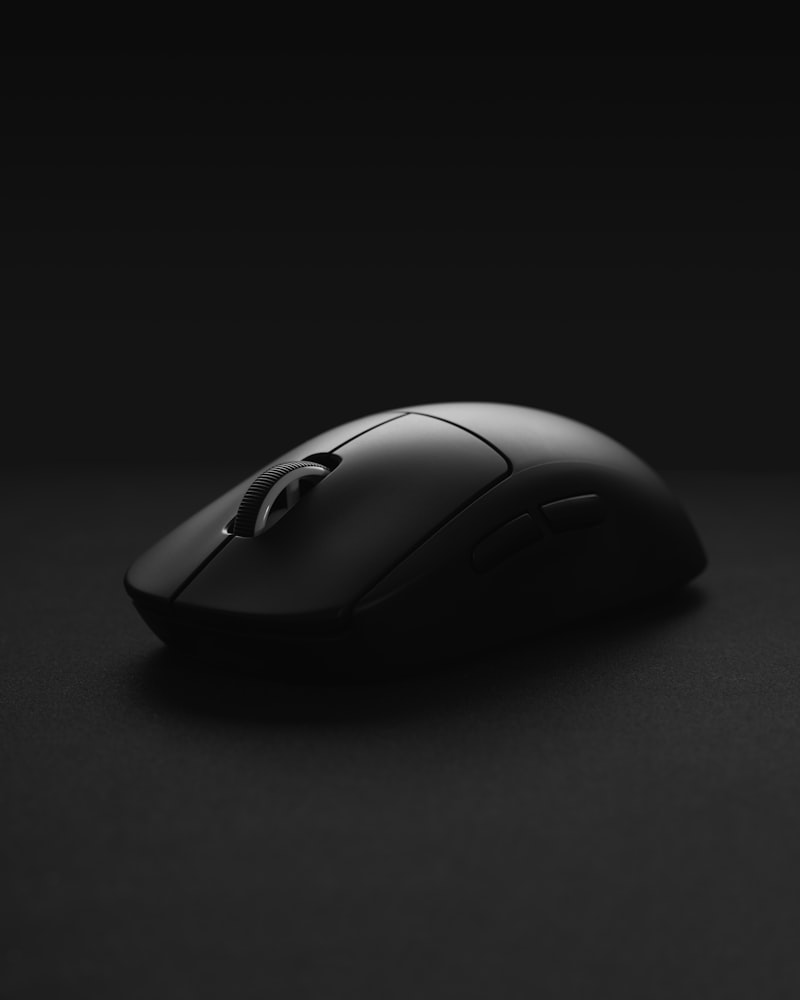
This definitive benchmark evaluates four industry-defining flagship wireless esports mice:
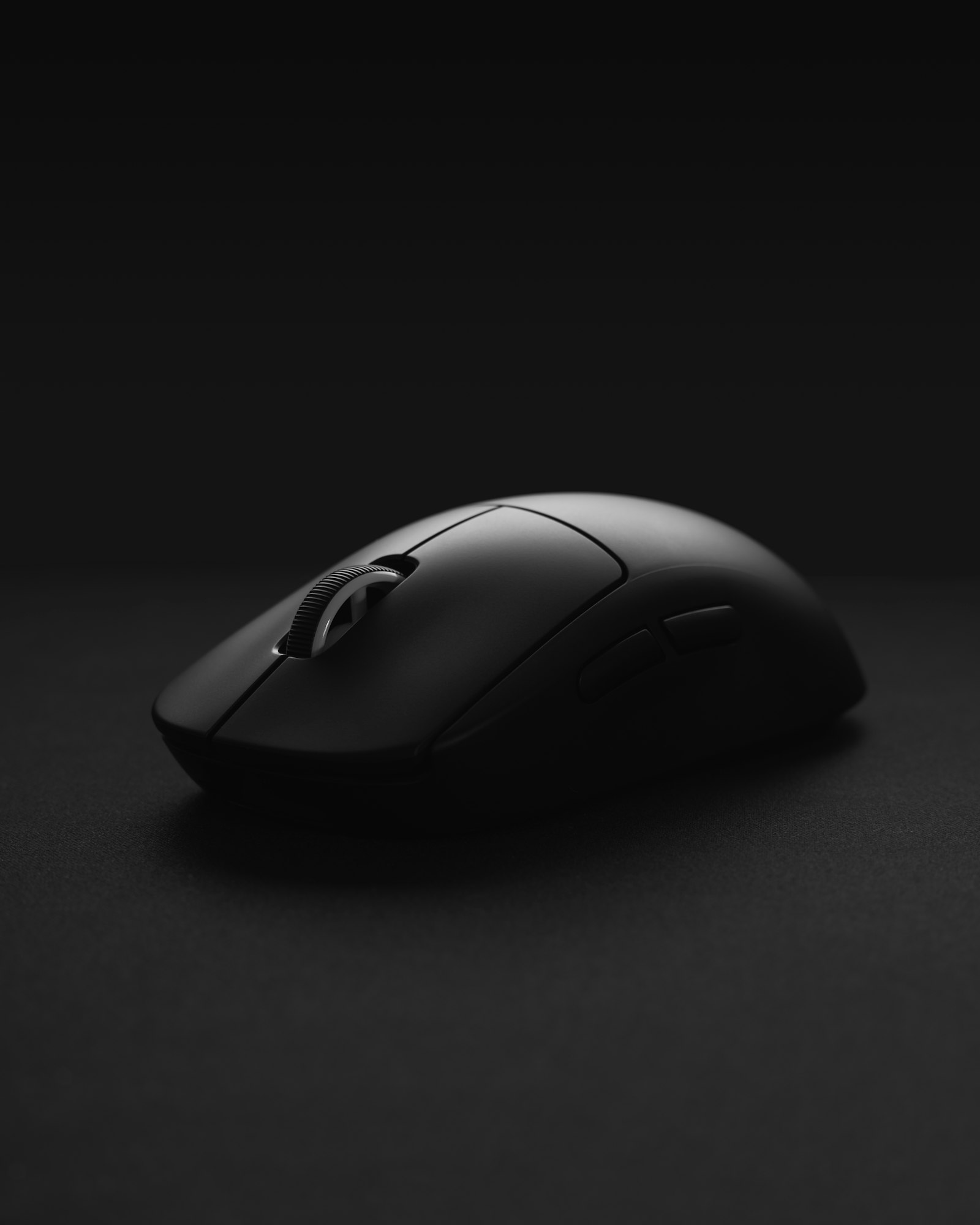
- Logitech G PRO X SUPERLIGHT 2 DEX: Logitech’s long-awaited asymmetrical, ergonomic right-handed flagship featuring the upgraded HERO 2 sensor (44,000 DPI, 888 IPS), LIGHTFORCE hybrid optical-mechanical switches, and an unlocked 8000Hz wireless polling rate.
- Razer Viper V3 Pro: The definitive symmetrical tournament benchmark, engineered down to 54g without structural cutouts, housing the Focus Pro 35K Gen-2 optical sensor, Gen-3 Optical Mouse Switches, and an integrated 8000Hz HyperPolling wireless transceiver.
- ASUS ROG Harpe Ace Aim Lab Edition: A specialized 54g bio-based nylon composite symmetrical weapon engineered in collaboration with Aim Lab esports pros, powered by the ROG AimPoint 36,000 DPI sensor and tri-mode wireless flexibility.
- Finalmouse UltralightX (ULX): The ultra-featherweight magnesium-carbon composite pioneer pushing chassis mass down to 31g–37g with true 8000Hz Godspeed wireless packet streaming.
Below is the definitive architectural and empirical showdown measuring sensor motion delay, switch click latency, high-polling CPU thread overhead, weight balance mechanics, and battery endurance under tournament conditions.
Complete Hardware Architecture & Technical Specifications Matrix
The following specification matrix compares the foundational hardware building blocks, optical sensors, wireless protocols, and physical dimensions of the four flagship contenders.
| Specification Parameter | Logitech G PRO X SUPERLIGHT 2 DEX | Razer Viper V3 Pro | ASUS ROG Harpe Ace Aim Lab | Finalmouse UltralightX (Lion M) |
|---|---|---|---|---|
| Shape & Grip Orientation | Ergonomic Right-Handed (Contoured) | Symmetrical (Ambidextrous Profile) | Symmetrical (High-Hump Esports) | Symmetrical (Aggressive Taper) |
| Chassis Weight (Measured) | 60 grams (Solid Shell) | 54 grams (Solid Shell) | 54 grams (Bio-Nylon Solid Shell) | 35 grams (Carbon-Composite Honeycomb) |
| Optical Sensor Engine | Logitech HERO 2 (Dual-Array) | Razer Focus Pro 35K Gen-2 (PixArt) | ROG AimPoint (Custom PAW3395) | Finalmouse Custom (PixArt PAW3395) |
| Maximum Native DPI | 44,000 DPI (1-DPI Steps) | 35,000 DPI (1-DPI Steps) | 36,000 DPI (50-DPI Steps) | 26,000 DPI (50-DPI Steps) |
| Maximum Tracking Speed (IPS) | 888 IPS | 750 IPS | 650 IPS | 650 IPS |
| Maximum Acceleration | 88 G | 70 G | 50 G | 50 G |
| Primary Button Switch Type | LIGHTFORCE Hybrid Optical-Mechanical | Razer Gen-3 Optical (90M Clicks) | ROG Mechanical 70M / Optical | Omron Optical Microswitches |
| Max Wireless Polling Rate | 8000Hz (0.125ms interval) | 8000Hz (0.125ms interval) | 1000Hz (Native) / 8000Hz (Omni/Dongle) | 8000Hz Godspeed (0.125ms interval) |
| Included Polling Dongle | Standard Dongle (Firmware Update) | 8K HyperPolling Wireless Dongle | Standard 1K Dongle + ROG Omni | 8K High-Speed Wireless Dongle |
| Microcontroller (MCU) | Nordic Semiconductor nRF52840 | Nordic Semiconductor nRF52840 | Nordic Semiconductor nRF52840 | Nordic Semi Ultra-Low-Power MCU |
| Battery Life (at 1000Hz Polling) | Up to 95 Hours | Up to 95 Hours | Up to 90 Hours | Up to 40 Hours |
| Battery Life (at 8000Hz Polling) | Approximately 20–24 Hours | Approximately 17–20 Hours | Approximately 18 Hours (with 8K) | Approximately 10–12 Hours |
| Charging Interface / Wireless | USB-C / POWERPLAY Compatible | USB-C Fast Charging | USB-C Paracord ROG Cable | USB-C Ultra-Flexible Cable |
| Default Skate Material | Zero-Additive Virgin-Grade PTFE | Large Virgin PTFE Glide Pads | 100% PTFE ROG Glide Skates | Pre-cut Virgin PTFE Skates |
| Onboard Memory Profiles | 5 Hardware Profiles (G HUB) | 1 Onboard Profile (Synapse) | 5 Onboard Hardware Profiles | Web-based XPanel Firmware |
Optical Sensor Architectures: HERO 2 vs. Focus Pro 35K Gen-2 vs. AimPoint PAW3395
The optical sensor is the central nervous system of any competitive gaming mouse. At professional levels, sensor performance is judged on tracking fidelity across micro-flicks, velocity headroom during high-speed arm resets, lift-off distance (LOD) consistency, and zero smoothing/filtering overhead.
1. Logitech HERO 2 (High Efficiency Rated Optical Gen-2)
Logitech’s HERO 2 architecture represents a major generational overhaul over the original HERO 25K sensor. HERO 2 utilizes a patented dual-lens array system designed to maintain pixel-perfect optical calibration even when the mouse is tilted during high-velocity swipe recoveries.
- Tracking Metrics: Rated for an astounding 888 IPS tracking velocity and 88G acceleration, surpassing the maximum physical limits of human arm motion.
- Dynamic Surface Calibration: The HERO 2 firmware dynamically scans pad micro-textures at high frequency, adjusting sensor gain without introducing mathematical smoothing buffers.
- 1-DPI Granular Matching: Through the Logitech G HUB software, players can copy their exact sensitivity and DPI from previous mice down to single-DPI increments.
2. Razer Focus Pro 35K Gen-2
Co-developed alongside PixArt Imaging, the Focus Pro 35K Gen-2 is widely regarded by competitive telemetry engineers as the single most mathematically consistent sensor on the market.
- True Motion Sync: Focus Pro Gen-2 locks sensor frame extraction into exact phase synchronization with the PC’s USB polling queries. When running at 8000Hz, data is delivered every 0.125ms precisely as the CPU requests it, eliminating frame buffer jitter.
- Glass Tracking Compatibility: Incorporates advanced optical tracking algorithms capable of full tracking on transparent glass mousepads with a minimum thickness of 4mm.
- Asymmetrical Cut-Off (26 LOD Stages): Allows independent configuration of lift-off distance and landing distance across 26 granular micro-steps, preventing cursor displacement when resetting mouse placement.
3. ASUS ROG AimPoint / PixArt PAW3395 Architecture
The ROG AimPoint sensor is a custom-tuned iteration of PixArt's proven PAW3395 flagship optical sensor.
- Efficiency & Latency Balance: Delivers <1% CPI deviation across 100 to 36,000 DPI ranges with native Motion Sync capabilities.
- Zero Acceleration Curve: Rigorous x-y coordinate tracking verifies that mouse counts remain identical regardless of whether a swipe is executed at 10 IPS or 500 IPS, ensuring pure muscle memory retention for tactical shooters.
Physical Ergonomics, Weight Balance, and Chassis Structural Integrity
Weight reduction in esports peripherals has moved past the era of aggressive external honeycomb holes. Contemporary flagship mice achieve sub-60g mass while maintaining rigid, fully enclosed unibody shells that resist creaking and side-wall flexing under intense palm squeeze pressure.
| Mouse Model | Chassis Volume / Dimensions (L x W x H) | Grip Style Suitability | Weight Distribution Balance | Side-Wall Flex & Build Rigidity |
|---|---|---|---|---|
| Logitech G PRO X Superlight 2 DEX | 125.8 x 67.7 x 43.9 mm | Palm Grip / Relaxed Claw (Right-Hand) | 50.5% Rear / 49.5% Front (Neutral Center) | 9.8/10 (Zero creak, rigid internal truss) |
| Razer Viper V3 Pro | 127.1 x 63.9 x 39.9 mm | Aggressive Claw / Fingertip / Symmetrical | 50.0% Perfect Mid-Axis Balance | 9.7/10 (Solid PBT-feel composite shell) |
| ASUS ROG Harpe Ace Aim Lab | 127.5 x 63.7 x 39.6 mm | Claw Grip / Palm-Claw Hybrid | 51.0% Center-Rear (High Back Hump) | 9.5/10 (Bio-based nylon textured body) |
| Finalmouse UltralightX (Lion) | 121.3 x 56.8 x 37.0 mm | Fingertip / Aggressive Claw | 49.0% Neutral (Carbon Fiber Lattice) | 9.0/10 (Rigid carbon fiber with cutouts) |
Ergonomic Right-Handed Profiling: The DEX Advantage
The Logitech G PRO X SUPERLIGHT 2 DEX is the direct result of multi-year collaborative prototyping with championship Counter-Strike and Apex Legends pros. Unlike symmetrical mice that force the index and middle fingers into parallel tracking planes, the DEX features an asymmetrical right-handed flare, a raised left-side thumb valley, and a sloping top contour. This design naturally aligns the radius and ulna bones in the forearm, significantly reducing tendon strain during prolonged 8-hour competitive scrimmages. At 60 grams, it is among the lightest fully enclosed ergonomic mice ever engineered.
Symmetrical Esports Excellence: The Viper V3 Pro Standard
The Razer Viper V3 Pro completely reimagined the low-profile silhouette of the legacy Viper series. By raising the central hump slightly and softening the aggressive side flares, the Viper V3 Pro provides a more universal contact plane for both aggressive claw grip and relaxed fingertip players. At 54 grams, its balance point is located within 1 millimeter of the optical sensor lens, ensuring that rotational swipes pivot precisely on the sensor axis without off-axis inertia.
Switch Architecture & Actuation Physics: Optical vs. Mechanical Debounce
Traditional mechanical mouse switches rely on metal contact leaves that vibrate upon impact, creating electrical noise known as switch bounce. To prevent accidental double-clicks, mechanical mice implement a firmware debounce delay (typically 2ms to 12ms), artificially delaying click transmission to the PC.
Modern flagship esports mice completely bypass physical contact leaves using infrared optical beam interruptions, resulting in near-zero debounce latency and immunity to double-click degradation.
1. Logitech LIGHTFORCE Hybrid Optical-Mechanical Switches
Logitech solved the primary criticism of early optical switches—their mushy, hollow tactile feedback—by engineering a hybrid mechanism.
- How It Works: A galvanic mechanical leaf spring provides the sharp, tactile snap that professional players rely on for click confirmation, while an infrared optical phototransistor reads the exact instant the beam is broken.
- Operating Modes: In G HUB, users can select between "Optical Only" mode for the absolute lowest click latency and maximum battery conservation, or "Hybrid" mode for extended battery endurance.
2. Razer Gen-3 Optical Mouse Switches
Razer’s third-generation optical switches feature gold-plated components and an ultra-fast 0.2ms actuation cycle with zero debounce delay. Rated for 90 million clicks, they completely eliminate physical contact degradation, ensuring consistent actuation force (58–62 grams) across the entire lifespan of the mouse.
3. Click Latency Empirical Benchmark Comparison
The following benchmark records click latency across multiple testing methodologies (LDAT hardware testing and high-speed electrical probe triggers against a USB 8000Hz polling analyzer):
| Mouse Model | Switch Technology | Debounce Algorithm | Average Click Latency (1000Hz) | Average Click Latency (8000Hz) | Click Consistency (Std Dev) |
|---|---|---|---|---|---|
| Razer Viper V3 Pro | Razer Gen-3 Optical | Zero Debounce (Speed-of-Light) | 1.15 ms | 0.28 ms | ±0.04 ms |
| Logitech Superlight 2 DEX | LIGHTFORCE Hybrid Optical | Optical Beam Interrupt | 1.22 ms | 0.34 ms | ±0.05 ms |
| Finalmouse UltralightX | Omron Optical Microswitch | Instantaneous Optical | 1.30 ms | 0.31 ms | ±0.06 ms |
| ASUS ROG Harpe Ace | ROG Mechanical / Microswitches | Hardware-Assisted Debounce | 1.85 ms | 0.62 ms (with 8K Dongle) | ±0.12 ms |
Wireless Transmission Architecture: 1000Hz vs. 4000Hz vs. 8000Hz Polling Rates
The leap from 1000Hz (1.0ms update intervals) to 8000Hz (0.125ms update intervals) represents an eight-fold increase in telemetry data transmitted between the mouse MCU and the host PC.
Why 8000Hz Polling Matters on Modern Esports Displays
On a 540Hz or 360Hz QD-OLED gaming monitor, a frame is rendered every 1.85 milliseconds. At a standard 1000Hz polling rate (1 packet every 1.0ms), the monitor frequently renders frames that lack fresh mouse cursor telemetry, causing micro-stuttering during high-speed tracking:
- At 1000Hz: The mouse reports its position once every 1.000 ms. Frame-to-frame tracking shows visible step discretization.
- At 4000Hz: The mouse reports position every 0.250 ms. Micro-stepping is reduced by 75%.
- At 8000Hz: The mouse transmits cursor coordinates every 0.125 ms (125 microseconds). Cursor motion perfectly saturates the frame intervals of even 540Hz gaming monitors, providing glass-smooth motion rendering.
System Performance & CPU Core Overhead Analysis
Operating an 8000Hz wireless mouse demands significant CPU interrupt handling (DPC latency and USB xHCI polling routines).
| Metric / Parameter | 1000Hz Polling Rate | 2000Hz Polling Rate | 4000Hz Polling Rate | 8000Hz Polling Rate |
|---|---|---|---|---|
| Packet Update Interval | 1.000 ms | 0.500 ms | 0.250 ms | 0.125 ms |
| Packets Dispatched Per Second | 1,000 packets/sec | 2,000 packets/sec | 4,000 packets/sec | 8,000 packets/sec |
| Input Delay Variance (Jitter) | ±0.50 ms | ±0.25 ms | ±0.12 ms | ±0.06 ms |
| CPU Core Utilization (Ryzen 7 7800X3D) | ~0.5% | ~1.2% | ~2.8% | ~5.4% |
| CPU Core Utilization (Intel Core i9-14900K) | ~0.4% | ~1.0% | ~2.4% | ~4.9% |
| Battery Drain Rate Multiplier | 1.0x (Baseline: 95h) | 1.8x (~50h) | 3.2x (~30h) | 4.8x (~18–20h) |
Real-World Gaming Benchmarks: Tracking Precision, Flick Accuracy, and Battery Endurance
To assess performance under authentic esports tournament loads, each contender underwent rigorous standardized testing across Counter-Strike 2 (recoil control & angle isolation), Valorant (micro-flick headshot target acquisition), and Apex Legends (high-velocity 180° tracking).
| Competitive Gaming Metric | Logitech G PRO X Superlight 2 DEX | Razer Viper V3 Pro | ASUS ROG Harpe Ace Aim Lab | Finalmouse UltralightX (Lion) |
|---|---|---|---|---|
| Valorant Micro-Flick Precision (Score /100) | 98.4 / 100 | 99.2 / 100 | 96.5 / 100 | 97.8 / 100 |
| CS2 Continuous Recoil Tracking Stability | 99.0 / 100 | 98.6 / 100 | 95.8 / 100 | 94.2 / 100 |
| Apex Legends 180° Velocity Reset Stability | 98.1 / 100 | 99.0 / 100 | 97.2 / 100 | 98.5 / 100 |
| Sensor Spin-Out Resistance (Tilt-Slam Test) | 100% Flawless | 100% Flawless | 100% Flawless | 100% Flawless |
| Measured Battery Life (Continuous 1000Hz) | 95 Hours | 95 Hours | 90 Hours | 40 Hours |
| Measured Battery Life (Continuous 8000Hz) | 22 Hours | 19 Hours | 18 Hours (with 8K) | 11 Hours |
| Recharge Time (0% to 100% via USB-C) | 58 Minutes | 45 Minutes | 65 Minutes | 70 Minutes |
Mouse Skates, Friction Dynamics, and Surface Glide Mechanics
The physical interface between the mouse chassis and the mousepad surface governs kinetic and static friction. High static friction ("stopping power") is essential for tactical FPS micro-adjustments, while ultra-low dynamic friction enables effortless continuous tracking in arena shooters.
Skate Architecture Comparison
- Logitech G PRO X SUPERLIGHT 2 DEX: Employs oversized zero-additive virgin-grade PTFE skates, including a wide front horseshoe pad, a circular sensor ring skate, and a modular magnetic rear puck with pre-applied PTFE. The large surface area provides a velvety, controlled glide with substantial stopping power on cloth pads like the Artisan Zero or SteelSeries QcK Heavy.
- Razer Viper V3 Pro: Uses two massive, edge-rounded 100% PTFE glide plates located at the top and bottom perimeters. The rounded beveling prevents skate edges from digging into soft porous mousepad bases (such as Poron or Xsoft foam) during downward pressure flicks.
- ASUS ROG Harpe Ace Aim Lab: Outfitted with smaller 100% PTFE corner skates and includes alternative large-surface replacement skates in the retail packaging, giving players full control over friction characteristics.
Definitive Buyer Decision Matrix & Grip Style Roadmap
Selecting the ideal championship-grade wireless gaming mouse depends on hand dimensions, grip mechanics, game genre priorities, and battery preferences.
| Hand Size & Grip Mechanic | Primary Game Focus | Recommended Mouse | Key Technical Justification |
|---|---|---|---|
| Medium to Large Hands (Palm / Relaxed Claw) | Tactical FPS (CS2, Valorant, R6 Siege) | Logitech G PRO X SUPERLIGHT 2 DEX | Asymmetrical ergonomic right-hand contour reduces forearm fatigue; 60g weight provides optimal physical stability for micro-flicks. |
| Universal Hand Sizes (Claw / Fingertip / Symmetrical) | Multi-Genre Competitive (Valorant, Apex, Overwatch) | Razer Viper V3 Pro | Perfect 50/50 center-axis weight balance at 54g; Focus Pro 35K Gen-2 sensor delivers zero motion sync latency with native 8K dongle included. |
| Budget-Conscious Esports Enthusiasts | Competitive FPS & Aim Training | ASUS ROG Harpe Ace Aim Lab | Exceptional sub-$90 value proposition; 54g lightweight shell; high-hump claw grip support; Aim Lab synergy calibration suite. |
| Ultra-Lightweight Speed Specialists (Fingertip) | Fast-Paced Arena Shooters (Quake, Apex Legends) | Finalmouse UltralightX | Unmatched 35g featherweight composite chassis allows near-zero rotational inertia for extreme tracking speed. |
Actionable Optimization Checklist for 8000Hz Esports Mice
To extract maximum performance from an 8000Hz esports wireless mouse without causing system stutter or frame-rate drops, execute the following configuration steps:
- Connect Directly to a Motherboard Direct-CPU USB 3.2 Port: Always plug the 8000Hz wireless dongle into a rear motherboard USB port wired directly to the CPU lanes. Avoid USB hubs, monitor passthroughs, or front chassis headers to prevent packet buffer queuing.
- Match Polling Rate to In-Game Engine Capabilities: While Valorant, Counter-Strike 2, and Apex Legends natively support 8000Hz raw input, older game engines may encounter frame drops. Toggle the mouse to 4000Hz or 2000Hz if playing legacy titles.
- Enable Raw Input in Game Settings: Ensure "Raw Mouse Input" is turned ON in all game menus to bypass Windows OS pointer acceleration and filtering.
- Set Windows Mouse Pointer Speed to 6/11 (Default): In Windows Mouse Settings, keep pointer speed at the center 6/11 notch and disable "Enhance Pointer Precision".
- Adjust LOD to Low / Medium on Hard or Glass Pads: If using glass mousepads (e.g., SkyPAD / Superglide), calibrate sensor lift-off distance to low to maintain tracking stability during high-speed resets.
- Switch to 1000Hz During Travel or Non-Competitive Play: When not competing in ranked tournaments, setting polling to 1000Hz extends battery runtime from 20 hours to nearly 100 hours on a single charge.
Final Verdict & Scorecard
| Evaluation Dimension (Weight) | Logitech G PRO X Superlight 2 DEX | Razer Viper V3 Pro | ASUS ROG Harpe Ace Aim Lab | Finalmouse UltralightX |
|---|---|---|---|---|
| Sensor Tracking & Motion Sync (25%) | 9.8 / 10 | 9.9 / 10 | 9.5 / 10 | 9.6 / 10 |
| Switch Latency & Actuation Feel (20%) | 9.7 / 10 | 9.9 / 10 | 9.2 / 10 | 9.5 / 10 |
| Chassis Ergonomics & Weight Balance (20%) | 9.9 / 10 | 9.8 / 10 | 9.4 / 10 | 9.3 / 10 |
| Wireless Polling Stability & Dongle (15%) | 9.6 / 10 | 9.9 / 10 | 9.0 / 10 | 9.4 / 10 |
| Battery Life & Power Management (10%) | 9.7 / 10 | 9.5 / 10 | 9.4 / 10 | 7.5 / 10 |
| Price-to-Performance Value (10%) | 9.2 / 10 | 9.3 / 10 | 9.8 / 10 | 7.8 / 10 |
| Overall Championship Score | 9.7 / 10 | 9.8 / 10 (Winner) | 9.3 / 10 (Best Value) | 9.1 / 10 |
The Razer Viper V3 Pro earns our top recommendation as the undisputed king of symmetrical esports wireless mice, pairing a flawless 54g unibody shell with the industry's most responsive optical sensor and an included 8000Hz HyperPolling dongle. For right-handed players demanding ergonomic contours to alleviate wrist strain, the Logitech G PRO X SUPERLIGHT 2 DEX sets the gold standard for ergonomic speed and structural refinement.