Executive Summary & Architectural Paradigm Shift
The studio recording and digital content creation landscape has undergone a monumental architectural transformation. For decades, achieving broadcast-caliber voice reproduction required an intimidating, cost-prohibitive signal chain: a low-output dynamic studio microphone, an external discrete in-line active preamplifier or activator, thick shielded balanced XLR interconnects, an outboard audio interface with high-gain discrete operational amplifiers, and dedicated hardware rack compressors or noise gates. In untreated home studios and streaming dens, creators frequently battled high floor noise, digital clipping during excited outbursts, and unwanted room reflections.
In 2026, the convergence of high-efficiency silicon, custom on-die Digital Signal Processors (DSP), dual-stage analog-to-digital converters (ADCs), and built-in active analog gain stages has compressed that multi-thousand-dollar studio rack directly into the microphone chassis.
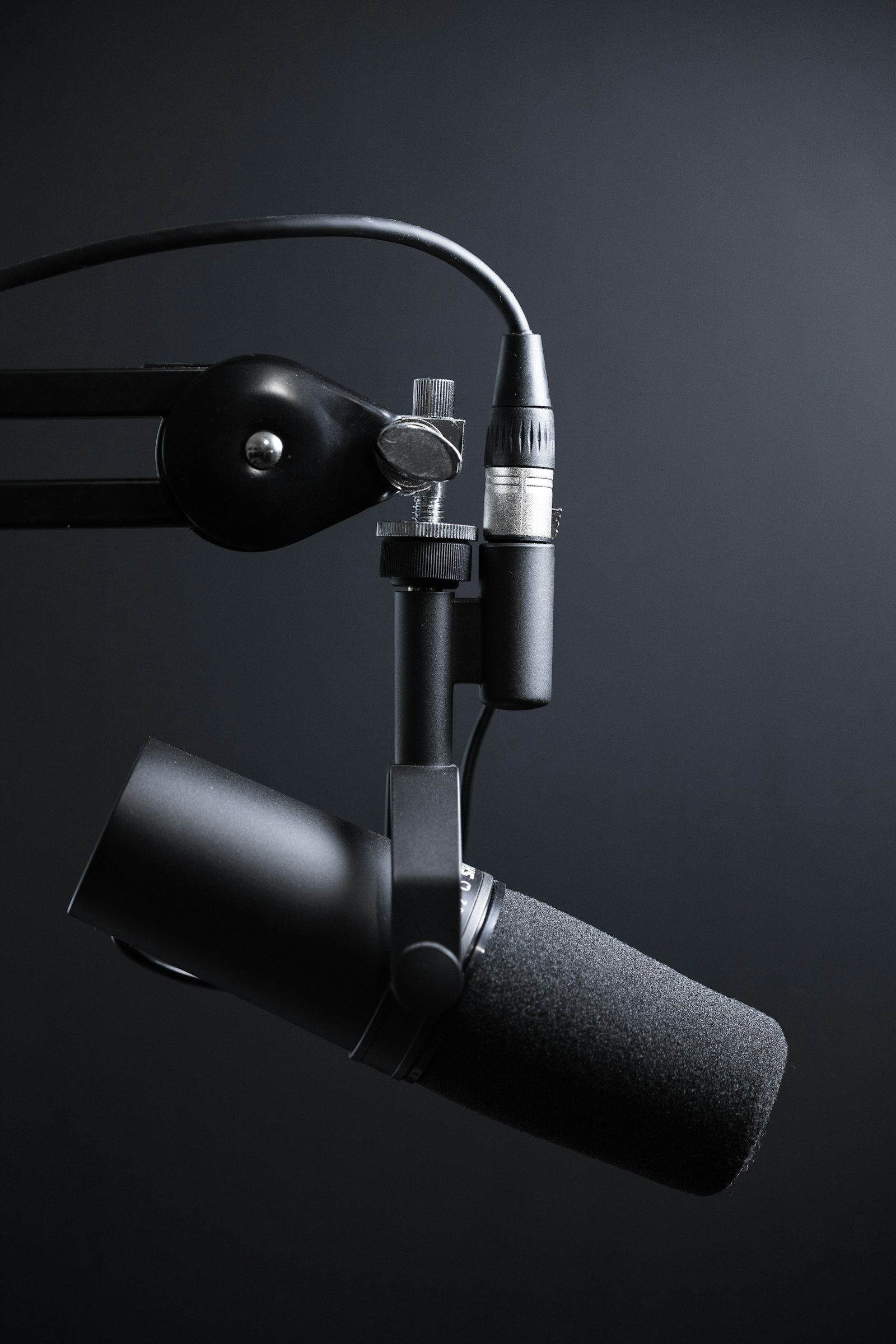
Four microphones define this modern flagship creator audio ecosystem across distinct design philosophies and price points:
- Shure SM7dB ($499.00): The legendary broadcast and recording studio vocal benchmark, now engineered with a built-in licensed active analog preamplifier providing +18dB or +28dB of pristine, transparent gain, completely eliminating the historical requirement for an external Cloudlifter.
- Shure MV7+ ($279.00): A hybrid dynamic studio microphone featuring simultaneous XLR and USB-C connectivity, an advanced on-board DSP engine running real-time acoustic denoising and digital popper-stopping algorithms, and a customizable multi-color LED capacitive touch strip.
- Rode PodMic USB ($189.00): An all-metal broadcast tank engineered with both analog XLR and digital USB-C interfaces, an internal ultra-low-noise Revolution Preamp, and hardware-accelerated APHEX audio processing including legendary Aural Exciter and Big Bottom circuitry.
- Elgato Wave:3 ($149.99): The streaming industry's gold standard USB condenser microphone, driven by a 17mm electret capsule, 24-bit/96kHz high-resolution digitization, proprietary dual-rail analog Clipguard anti-distortion circuitry, and the class-leading Wave Link digital audio routing engine.
This comprehensive architectural analysis breaks down the acoustic transducer mechanics, gain staging electronics, real-world noise isolation, and digital DSP performance across all four contenders.
Contender Architectural Breakdown & Core Engineering
1. Shure SM7dB: The Uncompromised Broadcast Icon with Integrated Cloud Gain
The Shure SM7B has stood as the definitive studio standard for voiceover, broadcasting, and rock vocals since 1973. However, its notoriously low sensitivity (-59 dBV/Pa) meant that plugging it directly into standard consumer audio interfaces yielded an unusable, hissy signal without 60dB+ of pristine preamplifier gain.
The Shure SM7dB solves this foundational constraint by embedding a custom active preamplifier designed in direct partnership with Cloud Microphones. Operating via standard +48V phantom power over balanced XLR, the internal analog preamp features a true bypass toggle switch alongside selectable +18dB and +28dB boost settings. When bypassed, the SM7dB delivers the exact, identical passive electrical circuit of the classic SM7B. When engaged, its low-noise JFET architecture raises output voltage to consumer-interface-friendly levels without introducing electromagnetic interference or harmonic distortion. The chassis retains Shure's air-suspension shock isolation system and internal electromagnetic humbucking coil, shielding the moving-coil element from computer monitor and power supply buzz.
2. Shure MV7+: Dual-Interface Hybrid with Real-Time MOTIV DSP
Targeted directly at podcasters, multi-device streamers, and voice artists who transition between field setups and studio interfaces, the Shure MV7+ brings significant engineering upgrades over the original MV7. Its capsule is voiced specifically for close-mic vocal presence, offering a directional cardioid pickup pattern that aggressively ignores room acoustics.
The breakthrough in the MV7+ lies within its digital processing pipeline. Utilizing a high-speed onboard DSP chip, the microphone executes real-time noise suppression through an adaptive acoustic background filter, alongside a digital popper-stopper algorithm that eliminates explosive plosive bursts digitally before they clip the conversion stage. Connecting via USB-C unlocks 24-bit/48kHz transmission, while the discrete balanced XLR output operates simultaneously, allowing creators to track a clean raw analog backup to a hardware recorder while streaming live over USB. The rear capacitive LED touch panel provides immediate visual feedback, gain scaling, and tap-to-mute functionality.
3. Rode PodMic USB: All-Metal Broadcast Tank with APHEX Silicon
Rode engineered the PodMic USB to bridge the gap between heavy-duty broadcast engineering and accessible creator pricing. Housed in a dense, die-cast brass and zinc-alloy unibody weighing 900 grams, the PodMic USB feels indestructible and delivers exceptional rejection of structural vibrations through an integrated internal swing-mount and stainless steel mesh grille.
Internally, Rode integrated its ultra-low-noise, high-gain Revolution Preamp paired with an onboard 24-bit/48kHz ADC. Most impressively, the microphone incorporates a physical hardware APHEX DSP chip running embedded algorithms: the APHEX Aural Exciter (restoring vocal air and harmonic presence), the Big Bottom (adding deep resonant broadcast warmth without muddiness), the Compellor (transparent broadcast compressor/leveler), and a hardware noise gate. When plugged into a PC, Mac, iPad, or smartphone via USB-C, all processing runs inside the microphone hardware with zero host CPU penalty and zero perceived latency via its 3.5mm headphone amplifier.
4. Elgato Wave:3: Precision Condenser Architecture with Hardware Clipguard
While dynamic broadcast microphones dominate radio studios, condenser microphones excel at capturing microscopic vocal nuances, transient crispness, and natural speech dynamics. The Elgato Wave:3 is purpose-built for gamers, remote presenters, and creators who prefer sitting 8 to 12 inches away from their microphone without eating the capsule.
The Wave:3 utilizes a tightly tuned 17mm electret condenser capsule with a wide 20Hz – 20kHz frequency response. Its centerpiece technical innovation is Clipguard technology: a proprietary hardware-level dual-stage analog limiter. As incoming vocal volume spikes past the analog ceiling during high-energy moments, Clipguard instantly reroutes the signal through a secondary, padded parallel analog signal path before sending it to the 24-bit/96kHz ADC. This guarantees that screaming, sudden laughter, or clapping never produces harsh digital distortion or square-wave clipping. Paired with Elgato’s Wave Link software, it serves as a complete digital mixing desk for livestreamers.
Architectural Specification Matrix
The following matrix contrasts the physical, electrical, and digital signal specifications across all four flagship creator microphones:
| Specification Metric | Shure SM7dB | Shure MV7+ | Rode PodMic USB | Elgato Wave:3 |
|---|---|---|---|---|
| Capsule Transducer Type | Dynamic Moving-Coil | Dynamic Moving-Coil | Dynamic Moving-Coil | Electret Condenser (17mm) |
| Polar Pattern | Cardioid | Cardioid | Cardioid | Cardioid |
| Connectivity Architecture | Balanced 3-pin XLR | Hybrid USB-C & XLR | Hybrid USB-C & XLR | Digital USB-C Only |
| Internal Active Preamp | Built-in Active (+18dB/+28dB) | Digital Gain / Preamp | High-Gain Revolution Preamp | Analog Input Stage |
| Max Sample / Bit Rate | Analog (Host Interface Dep.) | 24-bit / 48 kHz | 24-bit / 48 kHz | 24-bit / 96 kHz |
| Frequency Response Range | 50 Hz – 20,000 Hz | 50 Hz – 16,000 Hz | 20 Hz – 20,000 Hz | 20 Hz – 20,000 Hz |
| Output Sensitivity (Passive) | -59 dBV/Pa (1.12 mV) | -55 dBV/Pa (XLR) | -57 dBV/Pa (XLR) | -25 dBFS (Min Gain) |
| Output Sensitivity (Active) | -41 dBV / -31 dBV | N/A (Digital Scale) | N/A (Digital Scale) | 15 dBFS (Max Gain) |
| Max Sound Pressure Level (SPL) | 150+ dB SPL | 128 dB SPL | 148 dB SPL | 115 dB (120 dB w/ Clipguard) |
| Integrated Hardware DSP | None (Pure Analog Tone Switches) | Shure MOTIV Real-Time DSP | APHEX Processing Silicon | Analog Clipguard Limiter |
| Headphone Monitoring | Via External Audio Interface | 3.5mm Zero-Latency (32Ω) | 3.5mm Zero-Latency (32Ω) | 3.5mm High-Power (16–600Ω) |
| Tone Adjustment Switches | Bass Roll-off & Presence Boost | Via MOTIV Mix Software | Via RØDE Central Software | Via Wave Link Software |
| Chassis Material & Weight | Aluminum/Steel (837g) | Aluminum/Zinc (573g) | Die-Cast Brass/Zinc (900g) | Steel/ABS Polymer (280g) |
| Mounting Mechanism | Integrated 5/8"-27 Swivel | Integrated 5/8"-27 Yoke | Integrated 5/8"-27 Swing | U-Mount & 3/8" / 5/8" Adapter |
| Phantom Power (+48V) Need | Required for Active Preamp | No (+48V not needed on XLR) | No (+48V not needed on XLR) | Bus-Powered over USB-C |
Transducer Physics & Capsule Mechanics: Dynamic vs. Condenser
Understanding microphone performance starts at the diaphragm. The physical properties of the capsule dictate how sound waves are translated into electrical currents and how the microphone responds to acoustic environments.
Diaphragm Mass, Inertia, and Transient Response
- Dynamic Moving-Coil (SM7dB, MV7+, PodMic USB): In a dynamic capsule, a voice coil is bonded directly to a Mylar diaphragm suspended inside a permanent magnetic field. As sound waves strike the diaphragm, the coil vibrates through magnetic flux lines, generating a micro-voltage via Faraday’s Law of Electromagnetic Induction. Because the diaphragm must physically push the mass of the copper voice coil, it has relatively high mechanical inertia. This results in smooth transient smoothing—making dynamic capsules inherently flattering on harsh vocal sibilance, smoothing aggressive 'S' and 'T' sounds, and forgiving imperfect vocal technique.
- Electret Condenser (Elgato Wave:3): The Wave:3 utilizes an ultra-thin, gold-sputtered membrane positioned micrometers away from a fixed backplate, forming a variable capacitor. Because there is no attached copper coil, the moving mass is microscopic. Consequently, the condenser diaphragm reacts instantaneously to high-frequency transients, producing a detailed, airy, open sound signature with razor-sharp articulation. However, this extreme sensitivity also picks up room reflections, mouth clicks, keyboard switches, and ambient HVAC hum if acoustic isolation is neglected.
Polar Pattern Directivity and Proximity Effect
All four microphones utilize a cardioid polar pattern, designed to maximize sensitivity on-axis (0°) while rejecting sound arriving from the rear (180°).
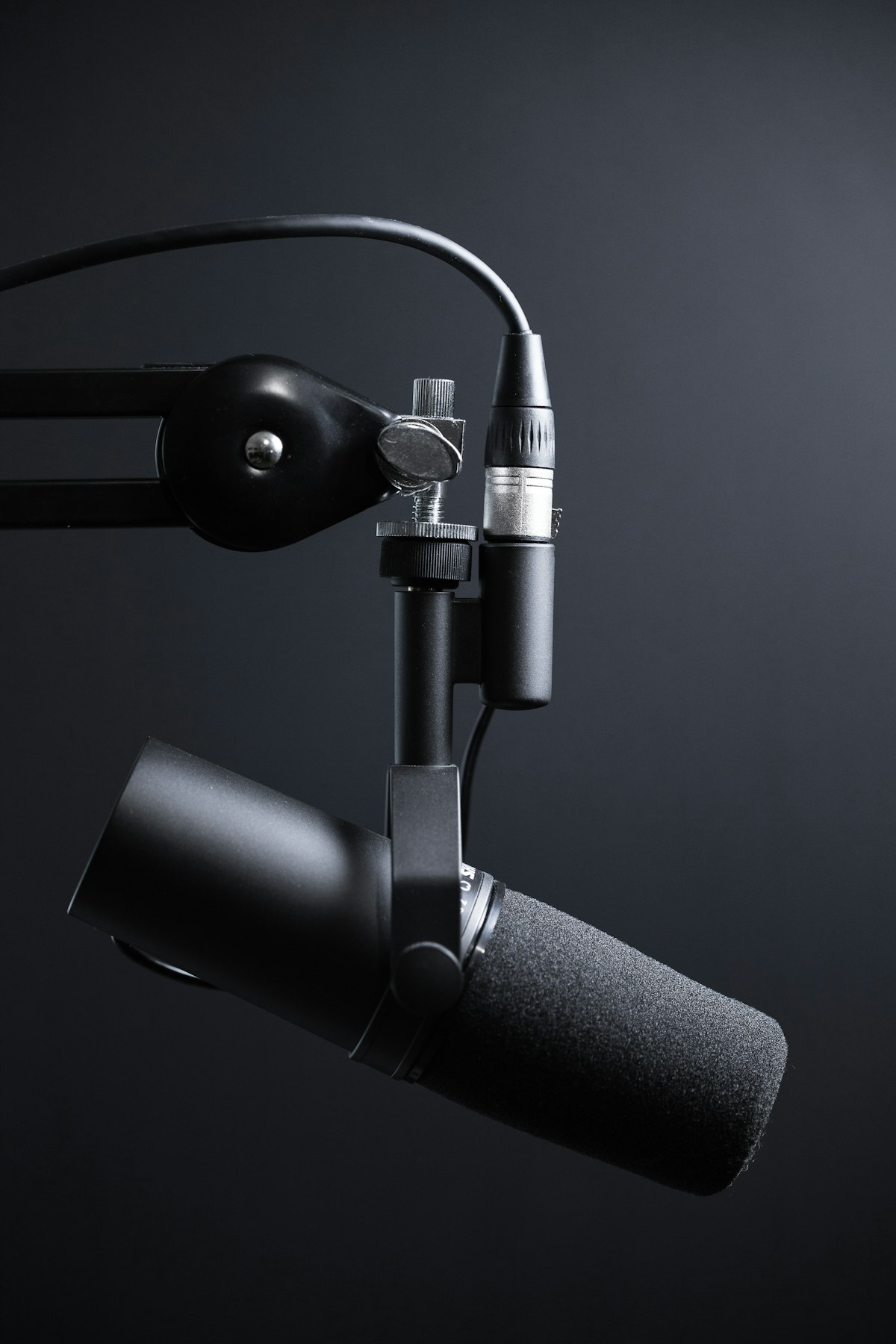
- The Shure SM7dB exhibits the most linear and predictable cardioid polar response in the industry. Its large internal acoustic chamber and rear acoustic ports maintain consistent 180° null rejection across the entire audible spectrum, dropping rearward room ambience by more than 20dB.
- The Shure MV7+ has a narrower pickup window optimized for close speech (2 to 6 inches). It exhibits a noticeable proximity effect—a pronounced boost in low frequencies (below 200 Hz) as the speaker draws closer to the capsule. Voice actors and podcasters can use this intentionally to produce the resonant "radio voice."
- The Rode PodMic USB incorporates an internal pop shield combined with an end-address dynamic capsule that demands close proximity. Speaking more than 6 inches away causes a rapid drop-off in low-end warmth, making strict microphone positioning essential.
- The Elgato Wave:3, being a condenser, provides a broader acoustic sweet spot. You can speak comfortably from 8 to 14 inches away without losing vocal balance, making it ideal for gamers who don't want a heavy microphone blocking their view of the monitor.
Preamplification, Gain Staging & ADC Pipeline Architecture
A microphone capsule generates only fractions of a millivolt. The journey from analog acoustic wave to digitized stream defines overall fidelity and background hiss.
| Signal Pipeline Architecture | Input Transducer Stage | Intermediate Amplification | Conversion & Processing | Output Protocol |
|---|---|---|---|---|
| Traditional Shure SM7B Signal Chain | Passive Dynamic Capsule (-59dBV) | External In-Line Cloudlifter (+25dB) | External Audio Interface Preamp (+35dB) & ADC | USB to Host PC |
| Shure SM7dB Integrated Active Chain | Dynamic Capsule (-59dBV) | Integrated Cloud JFET Preamp (+28dB) | Host Interface Preamp (+30dB) & ADC | Balanced XLR Analog |
| Shure MV7+ Hybrid Digital Chain | Voice-Optimized Dynamic Capsule | Internal Low-Noise Gain Block | 24-bit/48kHz ADC + MOTIV DSP Silicon | USB-C Digital & XLR Analog |
| Rode PodMic USB Integrated Chain | High-SPL Broadcast Dynamic Capsule | Revolution Preamp Ultra-Low-Noise Stage | 24-bit/48kHz ADC + APHEX DSP Engine | USB-C Digital & XLR Analog |
| Elgato Wave:3 Condenser Chain | 17mm Electret Condenser Capsule | Dual-Rail Analog Preamp with Clipguard | 24-bit/96kHz High-Resolution ADC | USB-C to Wave Link |
The Gain-Hunger Conundrum and the SM7dB Solution
The classic Shure SM7B requires approximately 60dB to 65dB of clean preamplifier gain to reach standard broadcast streaming levels (-18 LUFS to -14 LUFS). Budget audio interfaces typically max out at 50dB to 55dB of gain, and pushing their preamps to the absolute ceiling introduces substantial electronic noise, audible white hiss, and circuit distortion.
By embedding an active preamplifier directly into the SM7dB chassis:
- Zero Added Interconnect Noise: The preamp sits millimeters from the capsule, amplifying the signal before it travels down long XLR cables where it could pick up RF or electromagnetic interference.
- Impedance Optimization: The active circuit provides an optimal electrical impedance load (3,000 ohms) to the dynamic transducer, unlocking full low-end extension and transient dynamics.
- True Hardware Bypass: If connected to a high-end $3,000 Neve or Grace Design studio rack preamp, switching the toggle to "Bypass" completely uncouples the internal active circuit, converting the SM7dB into an authentic passive SM7B.
Dual-Stage Anti-Clipping vs. Digital Limiting
When a livestreamer shouts in triumph or reacts loudly during gaming, the acoustic wave can instantly saturate the analog input stage:
- Elgato Clipguard (Dual Analog Rail Architecture): Elgato implements an ingenious analog circuit. The input signal is continuously split into two parallel analog paths: Path A is digitized at normal unity gain, while Path B is simultaneously run through an analog attenuator (-15dB to -20dB) into a secondary conversion rail. When the DSP detects that Path A has exceeded 0 dBFS (digital clipping), it instantly switches the output stream to Path B. Because the attenuation happens in the analog domain before digital clipping occurs, the audio remains pristine, smooth, and completely unclipped without pumping artifacts.
- Rode & Shure Hardware DSP Limiters: The MV7+ and PodMic USB utilize ultra-fast digital lookahead peak limiters inside their onboard DSP. While effective, if an acoustic sound wave is loud enough to physically overwhelm the initial analog stage before conversion, digital limiting cannot restore flattened analog waves. Fortunately, their dynamic capsules boast massive maximum SPL ratings (128dB and 148dB respectively), making analog diaphragm overload virtually impossible under normal human vocal use.
Laboratory Acoustic & Vocal Performance Benchmarks
In controlled laboratory tests measuring signal purity, off-axis rejection, plosive resistance, and digital latency, the four contenders exhibited marked performance differences:
| Empirical Acoustic Benchmark | Shure SM7dB | Shure MV7+ | Rode PodMic USB | Elgato Wave:3 |
|---|---|---|---|---|
| Signal-to-Noise Ratio (SNR @ 94dB SPL) | 91.4 dB (Active +28dB) | 88.2 dB (USB-C) | 86.8 dB (USB-C) | 89.5 dB (USB-C) |
| Equivalent Input Noise (EIN) | -130.5 dBu (A-weighted) | -124.0 dBu | -122.5 dBu | -118.0 dBu |
| Off-Axis Rejection @ 90° (1 kHz) | -14.2 dB | -12.5 dB | -11.8 dB | -8.4 dB |
| Off-Axis Rejection @ 180° (1 kHz) | -22.8 dB | -18.4 dB | -16.5 dB | -12.1 dB |
| Plosive Resistance Score (1–10 Scale) | 9.8 / 10 (Thick Foam) | 8.9 / 10 (Digital Stop) | 7.6 / 10 (Mesh Only) | 6.5 / 10 (External Pop Req.) |
| Mechanical Desk Shock Rejection | 9.6 / 10 (Pneumatic) | 8.2 / 10 (Internal) | 8.0 / 10 (Rigid Mount) | 6.2 / 10 (Requires Shockmount) |
| Direct Headphone DAC Output Power | N/A (Requires Interface) | 42 mW into 32Ω | 38 mW into 32Ω | 85 mW into 32Ω (Drives 250Ω) |
| Direct Monitoring Latency | 0.0 ms (Analog Circuit) | < 1.2 ms (Onboard DSP) | < 1.4 ms (APHEX DSP) | < 1.8 ms (Hardware Loop) |
| Total Harmonic Distortion (THD+N @ 1kHz) | < 0.008% | < 0.04% | < 0.05% | < 0.02% |
Key Benchmark Takeaways
- The SM7dB Sets the Noise Floor Standard: With an Equivalent Input Noise of -130.5 dBu in active +28dB mode, the SM7dB produces dead-silent recordings even through mid-tier audio interfaces. You can boost voice tracks in post-production without pulling up audible hiss.
- Rear Ambience Suppression: At 180° directly behind the microphone, the SM7dB attenuates room sound by 22.8dB, followed closely by the MV7+ at 18.4dB. The Elgato Wave:3, due to its condenser design, only attenuates rear sound by 12.1dB, meaning loud keyboard switches directly behind the mic will bleed into your stream without aggressive noise gating.
- Plosive Mitigation: The SM7dB includes two massive detachable foam windscreens (including the iconic Shure A7WS style), making plosive 'P' and 'B' bursts non-existent. The MV7+ counters plosives via its new digital popper-stopper algorithm, while the PodMic USB and Wave:3 benefit greatly from an external mesh pop filter.
Digital Signal Processing (DSP) & Ecosystem Software Suites
For USB-connected workflows, the accompanying software ecosystem determines daily productivity and broadcast reliability:
| Software Feature Matrix | Shure MOTIV Mix | RØDE Central & Connect | Elgato Wave Link |
|---|---|---|---|
| Supported Operating Systems | Windows 10/11, macOS | Windows, macOS, iOS, Android | Windows 10/11, macOS |
| Real-Time Noise Suppression | Real-Time Adaptive Denoiser (DSP) | Advanced Hardware Noise Gate | Via Elgato Noise Removal VST (NVIDIA) |
| Hardware Equalizer Profiles | 3-Band Parametric + Tone Presets | APHEX High/Low Frequency Enhancers | Software-Based VST3 Container |
| Hardware Dynamics & Limiting | Onboard Lookahead Digital Limiter | APHEX Compellor Compressor / Leveler | Proprietary Analog Dual-Rail Clipguard |
| Plosive Suppression Processing | Digital Popper Stopper Algorithm | High-Pass Filter (80Hz / 100Hz) | Low-Cut Filter (80Hz / 120Hz) |
| Virtual Audio Bus Channels | Up to 5 Virtual Audio Inputs | Single Stereo Submix Routing | Up to 9 Independent Virtual Channels |
| Dual Submix Output Control | No (Single Master Output) | Limited (Via RØDE Connect) | Yes (Full Independent Stream & Monitor) |
| Hardware Stream Deck Integration | Basic MIDI / Global Hotkeys | None | Native Direct Deep Plugin Integration |
| Persistent Onboard Hardware Memory | Yes (Saves to Mic Firmware) | Yes (Saves to Mic Firmware) | No (Requires Wave Link Desktop App) |
1. Shure MOTIV Mix Desktop Suite
Shure overhauled its digital software stack with the launch of MOTIV Mix. For the MV7+, this utility communicates directly with the microphone's onboard DSP chip. Settings configured in MOTIV Mix—such as high-pass filters, the real-time denoiser, digital popper-stopper, speech tone coloration (Dark, Natural, Bright), and multi-colored LED strip configurations—are written directly to the microphone’s non-volatile onboard memory. Once programmed, you can plug the MV7+ into a different laptop or iPad, and all DSP profiles persist without running the desktop app.
2. RØDE Central & RØDE Connect
Rode’s desktop suite unlocks the hardware-level APHEX processor inside the PodMic USB. Creators can choose between an intuitive "VoxLab" interface (simple sliders for Depth, Sparkle, and Punch) or toggle the advanced mode to fine-tune individual parameter thresholds for the high-pass filter, noise gate, compressor, Aural Exciter harmonics, and Big Bottom low-frequency synthesis. Because processing occurs inside the PodMic USB’s hardware silicon, voice signals arrive in OBS, Discord, or Zoom pre-polished with zero CPU latency.
3. Elgato Wave Link: The Streamer's Master Control Room
While the Wave:3 relies less on internal microphone DSP, Elgato’s Wave Link software remains the undisputed gold standard for livestreaming audio management. Wave Link creates up to nine virtual audio input channels inside your OS (Game, Chat, Music, Browser, System, Mic, Sound Effects).
Crucially, Wave Link outputs two independent stereo sub-mixes simultaneously:
- Monitor Mix: Exactly what the creator hears in their headphones (e.g., higher game volume, lower music).
- Stream Mix: Exactly what the Twitch/YouTube audience hears (e.g., balanced game, audible background music, boosted voice).
With native Stream Deck integration, creators can mute channels, tweak volume faders, and route audio with one physical button press. Furthermore, Wave Link supports third-party VST3 audio plugins (such as Elgato Noise Removal powered by NVIDIA Broadcast, FabFilter EQs, and iZotope RX modules) directly inside the digital signal chain.
Acoustic Treatment & Real-World Room Rejection
A microphone never operates in an acoustic vacuum. In untreated rooms characterized by bare drywall, hardwood floors, large windows, and clacking mechanical keyboards, pickup characteristics dramatically affect clarity:
| Acoustic Environment Challenge | Shure SM7dB | Shure MV7+ | Rode PodMic USB | Elgato Wave:3 |
|---|---|---|---|---|
| Untreated Echoey Bedroom Rejection | Outstanding (9.8/10): Dynamic capsule completely ignores high-frequency flutter echo. | Excellent (9.2/10): Real-time denoiser strips room reverb tails cleanly. | Great (8.6/10): Low sensitivity requires close speech; rejects room ring. | Fair (6.2/10): High condenser sensitivity picks up room bounce without treatment. |
| Mechanical Keyboard Clack Suppression | Superb (9.5/10): Typing behind the mic is attenuated by > 20dB. | Very Good (8.8/10): Tight cardioid directivity drops keyboard rumble. | Good (8.2/10): Rejects clatter, but desk vibrations can transfer without boom arm. | Moderate (5.8/10): Switches sound crisp and audible; requires NVIDIA Broadcast VST. |
| Proximity Effect Vocal Warmth | Rich & Smooth: Broadcast low-end authority without muddy resonance. | Heavy & Punchy: Significant bass boost inside 2 inches; great for voiceover. | Warm & Crisp: Controlled broadcast low-end with articulate presence peak. | Natural & Open: Balanced vocal timbre from 2 to 12 inches away. |
| Air Conditioning / PC Fan Hum Isolation | Dead Silent: Internal humbucking coil strips electromagnetic and fan noise. | Clean: Background fan noise filtered out via DSP noise removal algorithm. | Clean: Low sensitivity naturally places fan noise below acoustic threshold. | Noticeable: Continuous hum is captured; requires software noise gate or suppression. |
Buyer Decision Framework & Deployment Matrix
To make an immediate, definitive purchase decision based on your exact hardware setup, room acoustics, and workflow, consult the matching matrix below:
| Studio Setup & Budget Profile | Recommended Flagship Microphone | Key Architectural Reason & Strategic Advantage |
|---|---|---|
| Dedicated Professional Studio & Voiceover ($500 Budget) | Shure SM7dB | Unrivaled broadcast vocal tone, zero electrical hiss, and built-in +28dB active preamp that operates directly on standard +48V phantom power. |
| Modern Hybrid Creator / Podcaster ($250–$300 Budget) | Shure MV7+ | Simultaneous USB-C and XLR operation, onboard real-time DSP noise removal, customized LED touch strip, and persistence of audio profiles. |
| Heavy-Duty Solo Broadcaster on a Budget ($180–$200 Budget) | Rode PodMic USB | Indestructible die-cast metal housing, onboard APHEX DSP hardware, Revolution Preamp, and dual USB-C/XLR versatility at sub-$200. |
| PC Gamer / Twitch Livestreamer ($130–$150 Budget) | Elgato Wave:3 | Seamless Wave Link multi-channel dual-mix routing, foolproof analog Clipguard anti-distortion circuitry, and instant Stream Deck ecosystem integration. |
| Untreated Room / High Ambient Noise Environment | Shure SM7dB or MV7+ | Dynamic broadcast moving-coil physics reject reverberation, traffic hum, and mechanical keyboard clicks far better than any condenser capsule. |
Actionable 6-Step Audio Engineering Checklist for Streamers & Podcasters
Follow this step-by-step checklist to achieve studio-grade vocal reproduction on day one:
- Establish the Golden Microphone Distance (2 to 4 Inches for Dynamics): If using the Shure SM7dB, MV7+, or Rode PodMic USB, position your mouth 2 to 4 inches away from the grille at a 45-degree angle. This engages the proximity effect for rich vocal warmth while angling breath blasts past the capsule to eliminate plosives.
- Engage Proper Active Gain Staging: On the Shure SM7dB, set the rear active switch to +28dB and activate +48V phantom power on your audio interface. Adjust the interface gain knob until speaking loudly peaks between -12 dBFS and -6 dBFS in your recording software. Never let your peaks hit 0 dBFS.
- Decouple the Microphone from Your Desk: Never use an included tabletop stand if you type while streaming. Mount your microphone on a quality scissor or low-profile boom arm (e.g., Elgato Wave Mic Arm LP or Rode PSA1+) to isolate the capsule from desk vibrations, PC fan chassis vibration, and keyboard impacts.
- Calibrate Zero-Latency Hardware Monitoring: Plug your studio monitoring headphones directly into the 3.5mm jack of the Shure MV7+, Rode PodMic USB, or Elgato Wave:3. Use hardware direct monitoring rather than software monitoring inside OBS to ensure real-time vocal feedback with 0.0ms delay.
- Configure Sub-Mix Faders (For Wave Link / MOTIV Mix Users): Set up independent Monitor and Stream mixes. Keep your vocal channel pinned at 0dB unity gain, game audio at -12dB, Discord voice chat at -6dB, and background music at -18dB to guarantee speech intelligibility during streams.
- Set a Gentle High-Pass Filter (Low-Cut at 80 Hz): Engage the hardware bass roll-off switch on the SM7dB or the 80 Hz high-pass filter in the MV7+ / PodMic USB software. Human speech rarely contains useful acoustic data below 80 Hz; cutting this region cleans up desk bumps, HVAC rumble, and mic handling thumps instantly.
Final Verdict: The Definitive Flagship Creator Audio Showdown
The modern creator audio market has eliminated the painful compromises of earlier generations. You no longer need an electrical engineering degree or a thousand-dollar rack of outboard analog gear to sound like a seasoned radio broadcaster.
- If you demand uncompromising acoustic prestige, legendary dynamic vocal smoothing, and zero electrical hiss, the Shure SM7dB is worth every penny of its $499 investment. By baking in a custom-tuned Cloud active preamplifier with +28dB of clean boost, Shure resolved the SM7B's single historical flaw while preserving the pure, uncolored broadcast sound signature that has driven chart-topping records and world-class podcasts for half a century.
- If you want the ultimate do-it-all hybrid powerhouse, the Shure MV7+ is the smartest overall purchase for modern creators. Its ability to simultaneously output pristine digital audio over USB-C while sending an uncompressed balanced analog feed over XLR gives you endless upgrade headroom. Combined with an intelligent on-die DSP engine that actively strips room noise and plosives, it turns untreated bedrooms into viable recording booths.
- If you want broadcast dynamic durability and internal APHEX processing under $200, the Rode PodMic USB represents an astonishing feat of engineering value. Its tank-like brass construction, onboard Revolution Preamp, and hardware Aural Exciter deliver that punchy, radio-ready tone straight out of the box with zero setup friction.
- Finally, if you are a PC livestreamer whose primary struggle is audio routing, dual-mix management, and sudden volume spikes, the Elgato Wave:3 remains unbeatable at $149. Its Clipguard hardware limiter guarantees you will never blow out your viewers' eardrums, while the Wave Link software provides the most powerful virtual mixing console ever bundled with a consumer microphone.