
ASUS ROG Phone 9 vs Samsung Galaxy F70 Pro 5G: Which One Should You Buy?
Samsung Galaxy F70 Pro 5G edges ahead with a BeastScore of 89.3/100 — but the right choice depends on what matters to you.
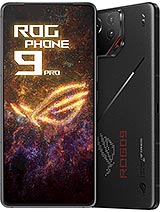
ASUS ROG Phone 9
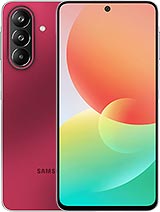
Samsung Galaxy F70 Pro 5G

Samsung Galaxy F70 Pro 5G wins 3 of 5 categories
Here's exactly where each phone is stronger.
Bigger shape = better phone.
Scores out of 100. How we score
- SpeedSamsung Galaxy F70 Pro 5G9095
- CameraASUS ROG Phone 99180
- VideoNot enough data
- SelfieNot enough data
- BatterySamsung Galaxy F70 Pro 5G9495
- DisplayASUS ROG Phone 910089
- ConnectivityNot enough data
- SecurityNot enough data
- ValueSamsung Galaxy F70 Pro 5G5585
- Samsung Galaxy F70 Pro 5G has the bigger battery6,000 mAh vs 5,800 mAh
- ASUS ROG Phone 9 has a smoother screen185 Hz vs 120 Hz
- ASUS ROG Phone 9 has the bigger screen6.78" vs 6.7"
- ASUS ROG Phone 9 has more RAM12 GB vs 8 GB
- ASUS ROG Phone 9 has the faster chipSnapdragon 8 Elite vs Snapdragon 6 Gen 3
Why buy each phone
Swipe ⇄Samsung Galaxy F70 Pro 5G wins — BeastScore 89.3/100
The Samsung Galaxy F70 Pro 5G is the better pick for most people thanks to its bigger battery (6,000 mAh vs 5,800 mAh). The ASUS ROG Phone 9 is worth a look if you prefer its smoother screen (185 Hz vs 120 Hz).
Optical telephoto zoom (1 telephoto lens) · Smoother display: 185 Hz vs 120 Hz
Larger battery: 6,000 mAh vs 5,800 mAh
Common questions
Which is better: ASUS ROG Phone 9 or Samsung Galaxy F70 Pro 5G?
The Samsung Galaxy F70 Pro 5G is the better pick for most people thanks to its bigger battery (6,000 mAh vs 5,800 mAh). The ASUS ROG Phone 9 is worth a look if you prefer its smoother screen (185 Hz vs 120 Hz). BeastScore: ASUS ROG Phone 9 89.5/100, Samsung Galaxy F70 Pro 5G 89.3/100.
What are the main battery and display differences between ASUS ROG Phone 9 and Samsung Galaxy F70 Pro 5G?
ASUS ROG Phone 9 has a 6.78-inch display and 5800 mAh battery. Samsung Galaxy F70 Pro 5G has a 6.7-inch display and 6000 mAh battery.
How do ASUS ROG Phone 9 and Samsung Galaxy F70 Pro 5G compare for speed?
ASUS ROG Phone 9 scores 90/100 for performance; Samsung Galaxy F70 Pro 5G scores 95/100.
Similar Smartphones







More Smartphones comparisons
ASUS ROG Phone 6 vs ASUS ROG Phone 9
ROG Phone 7 vs ASUS ROG Phone 9
ASUS ROG Phone 9 Pro vs ASUS ROG Phone 9
ASUS ROG Phone 9 vs Pixel 9 Pro XL
ASUS ROG Phone 9 vs iPhone 16 Pro Max
ASUS ROG Phone 9 vs Pixel 9 Pro
Samsung Galaxy F70e 5G vs Samsung Galaxy F70 Pro 5G
ASUS ROG Phone 9 vs Samsung Galaxy M47 5G
Gear for the Samsung Galaxy F70 Pro 5G
All Amazon Finds →Related articles
All articles → Flagship Showdown
Samsung Galaxy Z Fold6 vs. Google Pixel 9 Pro Fold vs. Honor Magic V3 vs. OnePlus Open: The Definitive Flagship Foldable Architecture, Hinge Engineering, Crease-Free Displays, and Camera Benchmark Showdown (2026)
An exhaustive microarchitectural breakdown, hinge mechanism durability, crease analysis, dual-screen multitasking benchmarks, and periscope camera shootout across the 4 premier book-style foldables of 2026.
Read → Flagship Monitor Shootout
Samsung Odyssey Neo G9 57" vs. Odyssey OLED G9 49" vs. ASUS ROG Swift PG49WCD vs. LG UltraGear 45GS96QB: The Definitive Flagship Super Ultrawide & Curved Gaming Monitor Architecture, Dual 4K 7680x2160 vs. Dual QHD QD-OLED, DisplayPort 2.1 Bandwidth (UHBR 13.5/20), 240Hz Refresh Rates, 2,392 Mini-LED Local Dimming Zones vs. Infinite Contrast OLED, KVM Multitasking, and GPU Driveability Shootout (2026)
A comprehensive architectural shootout of the world's most advanced curved super ultrawide monitors. We compare Samsung's 57-inch Dual 4K Quantum Mini-LED titan against 49-inch Gen 2 QD-OLEDs and LG's 45-inch 800R curved WOLED across DisplayPort 2.1 bandwidth tunneling, 240Hz motion clarity, text rendering subpixel matrices, multi-window KVM workflows, and GPU horsepower requirements.
Read → Prosumer NAS Flagship Shootout
UGREEN NASync DXP4800 Plus vs. Synology DiskStation DS923+ vs. QNAP TS-464 vs. Asustor Lockerstor 4 Gen3 (AS6804T): The Definitive Flagship 4-Bay NAS Architecture, 10GbE Networking, Intel Core i5 vs. AMD Ryzen vs. Celeron Silicon, Plex 4K Hardware Transcoding, M.2 NVMe Storage Pools, and Private Cloud OS Showdown (2026)
We compared the four leading 4-bay prosumer NAS appliances across 10GbE multi-gig sequential throughput, Plex 4K HEVC/AV1 hardware transcoding, dual M.2 NVMe SSD storage pools, Docker container workloads, and OS security models. Here is the definitive data-driven benchmark breakdown.
Read →