
Oppo A7 Pro Max 5G vs Samsung Galaxy Tab S8 Ultra: Which One Should You Buy?
Samsung Galaxy Tab S8 Ultra edges ahead with a BeastScore of 87.4/100 — but the right choice depends on what matters to you.
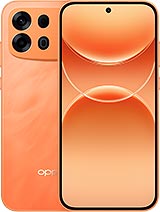
Oppo A7 Pro Max 5G
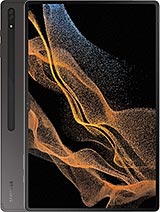
Samsung Galaxy Tab S8 Ultra
Samsung Galaxy Tab S8 Ultra wins 1 of 5 categories
Here's exactly where each phone is stronger.
Bigger shape = better phone.
Scores out of 100. How we score
- SpeedTie8686
- CameraTie8080
- VideoNot enough data
- SelfieNot enough data
- BatteryTie9595
- DisplaySamsung Galaxy Tab S8 Ultra8994
- ConnectivityNot enough data
- SecurityNot enough data
- ValueTie8585
- Samsung Galaxy Tab S8 Ultra has the bigger battery11,200 mAh vs 10,000 mAh
- Samsung Galaxy Tab S8 Ultra has the bigger screen14.6" vs 6.78"
- Samsung Galaxy Tab S8 Ultra has more RAM16 GB vs 12 GB
- Samsung Galaxy Tab S8 Ultra has the faster chipSnapdragon 8 Gen 1 vs Snapdragon 4 Gen 5
Why buy each phone
Swipe ⇄Samsung Galaxy Tab S8 Ultra wins — BeastScore 87.4/100
The Samsung Galaxy Tab S8 Ultra is the better pick for most people thanks to its bigger battery (11,200 mAh vs 10,000 mAh) and bigger screen (14.6" vs 6.78").
Reliable all-round performance.
Larger battery: 11,200 mAh vs 10,000 mAh · Larger display: 14.6" vs 6.78"
Common questions
Which is better: Oppo A7 Pro Max 5G or Samsung Galaxy Tab S8 Ultra?
The Samsung Galaxy Tab S8 Ultra is the better pick for most people thanks to its bigger battery (11,200 mAh vs 10,000 mAh) and bigger screen (14.6" vs 6.78"). BeastScore: Oppo A7 Pro Max 5G 86.6/100, Samsung Galaxy Tab S8 Ultra 87.4/100.
What are the main battery and display differences between Oppo A7 Pro Max 5G and Samsung Galaxy Tab S8 Ultra?
Oppo A7 Pro Max 5G has a 6.78-inch display and 10000 mAh battery. Samsung Galaxy Tab S8 Ultra has a 14.6-inch display and 11200 mAh battery.
How do Oppo A7 Pro Max 5G and Samsung Galaxy Tab S8 Ultra compare for speed?
Oppo A7 Pro Max 5G scores 86/100 for performance; Samsung Galaxy Tab S8 Ultra scores 86/100.
Similar Smartphones

More Smartphones comparisons
Oppo A7 Pro 5G vs Oppo A7 Pro Max 5G
Oppo A7 Pro Max 5G vs Samsung Galaxy Tab S10 FE+
Samsung Galaxy Tab S8 Ultra vs Samsung Galaxy Tab S10 FE+
Oppo A7 Pro Max 5G vs Apple iPad Air 11 5G (2026)
Samsung Galaxy Tab S8 Ultra vs Apple iPad Air 11 5G (2026)
Oppo A7 Pro Max 5G vs Pixel 10 Pro XL
Samsung Galaxy Tab S8 Ultra vs Pixel 10 Pro XL
Oppo A7 Pro Max 5G vs OnePlus Ace 6 Ultra 5G
Gear for the Samsung Galaxy Tab S8 Ultra
All Amazon Finds →Related articles
All articles → Copilot+ PC Silicon Deep Dive
Intel Lunar Lake (Core Ultra 200V) vs. AMD Strix Point (Ryzen AI 300) vs. Qualcomm Snapdragon X Elite: The Definitive Copilot+ PC Silicon Architecture, Battery Life, NPU, and x86 vs. ARM Benchmark Showdown (2026)
An exhaustive 3-way architectural breakdown pitting Intel's Memory-on-Package Lunar Lake (Core Ultra 7 258V / 288V), AMD's Zen 5 / RDNA 3.5 Strix Point (Ryzen AI 9 HX 370), and Qualcomm's ARM Oryon Snapdragon X Elite against each other across IPC, multi-threaded efficiency, gaming FPS, local NPU TOPS, and real-world 20+ hour battery life.
Read → Flagship Showdown
Samsung Galaxy Z Fold6 vs. Google Pixel 9 Pro Fold vs. Honor Magic V3 vs. OnePlus Open: The Definitive Flagship Foldable Architecture, Hinge Engineering, Crease-Free Displays, and Camera Benchmark Showdown (2026)
An exhaustive microarchitectural breakdown, hinge mechanism durability, crease analysis, dual-screen multitasking benchmarks, and periscope camera shootout across the 4 premier book-style foldables of 2026.
Read → Flagship Monitor Shootout
Samsung Odyssey Neo G9 57" vs. Odyssey OLED G9 49" vs. ASUS ROG Swift PG49WCD vs. LG UltraGear 45GS96QB: The Definitive Flagship Super Ultrawide & Curved Gaming Monitor Architecture, Dual 4K 7680x2160 vs. Dual QHD QD-OLED, DisplayPort 2.1 Bandwidth (UHBR 13.5/20), 240Hz Refresh Rates, 2,392 Mini-LED Local Dimming Zones vs. Infinite Contrast OLED, KVM Multitasking, and GPU Driveability Shootout (2026)
A comprehensive architectural shootout of the world's most advanced curved super ultrawide monitors. We compare Samsung's 57-inch Dual 4K Quantum Mini-LED titan against 49-inch Gen 2 QD-OLEDs and LG's 45-inch 800R curved WOLED across DisplayPort 2.1 bandwidth tunneling, 240Hz motion clarity, text rendering subpixel matrices, multi-window KVM workflows, and GPU horsepower requirements.
Read →