
Galaxy Z Fold8 vs Redmi Note 13 Pro+: Which One Should You Buy?
Galaxy Z Fold8 edges ahead with a BeastScore of 91.8/100 — but the right choice depends on what matters to you.
Galaxy Z Fold8

Redmi Note 13 Pro+

Galaxy Z Fold8 wins overall; Redmi Note 13 Pro+ takes 5 of 8 categories
Here's exactly where each phone is stronger.
Bigger shape = better phone.
Scores out of 100. How we score
- SpeedGalaxy Z Fold89690
- CameraRedmi Note 13 Pro+9299
- VideoNot enough data
- SelfieRedmi Note 13 Pro+4060
- BatteryRedmi Note 13 Pro+8690
- DisplayGalaxy Z Fold89588
- ConnectivityGalaxy Z Fold810075
- SecurityRedmi Note 13 Pro+14100
- ValueRedmi Note 13 Pro+6080
- Redmi Note 13 Pro+ has the bigger battery5,000 mAh vs 4,800 mAh
- Redmi Note 13 Pro+ charges faster120W vs 45W
- Redmi Note 13 Pro+ has a sharper main camera200 MP vs 50 MP
- Galaxy Z Fold8 has the bigger screen7.6" vs 6.67"
- Galaxy Z Fold8 is lighter201 g vs 204.5 g
- Redmi Note 13 Pro+ launched cheaper$399 vs $1,649
- Redmi Note 13 Pro+ has a sharper selfie camera16 MP vs 10 MP
- Galaxy Z Fold8 has newer Bluetooth6 vs 5.3
- Galaxy Z Fold8 has more RAM16 GB vs 12 GB
- Galaxy Z Fold8 has the faster chipQualcomm Snapdragon 8 Elite Gen 5 (3 nm) vs Snapdragon 7s Gen 2
- Galaxy Z Fold8 has faster Wi-FiWi-Fi 7 vs Wi-Fi 6E
- Redmi Note 13 Pro+ is better protected from water and dustIP68 vs IP48
Why buy each phone
Swipe ⇄Galaxy Z Fold8 wins — BeastScore 91.8/100
The Galaxy Z Fold8 is the better pick for most people thanks to its bigger screen (7.6" vs 6.67") and lighter body (201 g vs 204.5 g). The Redmi Note 13 Pro+ is worth a look if you prefer its bigger battery (5,000 mAh vs 4,800 mAh).
Larger display: 7.6" vs 6.67" · Brighter screen: 3,000 nits vs 1,800 nits
Larger battery: 5,000 mAh vs 4,800 mAh · Faster wired charging: 120W vs 45W
Common questions
Which is better: Galaxy Z Fold8 or Redmi Note 13 Pro+?
The Galaxy Z Fold8 is the better pick for most people thanks to its bigger screen (7.6" vs 6.67") and lighter body (201 g vs 204.5 g). The Redmi Note 13 Pro+ is worth a look if you prefer its bigger battery (5,000 mAh vs 4,800 mAh). BeastScore: Galaxy Z Fold8 91.8/100, Redmi Note 13 Pro+ 90.8/100.
What are the main battery and display differences between Galaxy Z Fold8 and Redmi Note 13 Pro+?
Galaxy Z Fold8 has a 7.6-inch display and 4800 mAh battery. Redmi Note 13 Pro+ has a 6.67-inch display and 5000 mAh battery.
How do Galaxy Z Fold8 and Redmi Note 13 Pro+ compare for speed?
Galaxy Z Fold8 scores 96/100 for performance; Redmi Note 13 Pro+ scores 90/100.
Similar Smartphones








More Smartphones comparisons
Galaxy Z Fold6 vs Galaxy Z Fold8
Galaxy Z Fold 7 vs Galaxy Z Fold8
Galaxy Z Fold8 Ultra vs Galaxy Z Fold8
Motorola Razr Fold 5G vs Galaxy Z Fold8
Galaxy Z Fold8 vs Pixel 10 Pro Fold
Galaxy Z Fold8 vs Apple iPhone Duo
Redmi Note 13 Pro+ vs Xiaomi Redmi Note 15 Pro+ 5G (China)
Redmi Note 13 Pro+ vs Xiaomi Redmi Note 14 Pro+
Gear for the Galaxy Z Fold8
All Amazon Finds →Related articles
All articles → Flagship Showdown
Samsung Galaxy Z Fold6 vs. Google Pixel 9 Pro Fold vs. Honor Magic V3 vs. OnePlus Open: The Definitive Flagship Foldable Architecture, Hinge Engineering, Crease-Free Displays, and Camera Benchmark Showdown (2026)
An exhaustive microarchitectural breakdown, hinge mechanism durability, crease analysis, dual-screen multitasking benchmarks, and periscope camera shootout across the 4 premier book-style foldables of 2026.
Read → Flagship Monitor Shootout
Samsung Odyssey Neo G9 57" vs. Odyssey OLED G9 49" vs. ASUS ROG Swift PG49WCD vs. LG UltraGear 45GS96QB: The Definitive Flagship Super Ultrawide & Curved Gaming Monitor Architecture, Dual 4K 7680x2160 vs. Dual QHD QD-OLED, DisplayPort 2.1 Bandwidth (UHBR 13.5/20), 240Hz Refresh Rates, 2,392 Mini-LED Local Dimming Zones vs. Infinite Contrast OLED, KVM Multitasking, and GPU Driveability Shootout (2026)
A comprehensive architectural shootout of the world's most advanced curved super ultrawide monitors. We compare Samsung's 57-inch Dual 4K Quantum Mini-LED titan against 49-inch Gen 2 QD-OLEDs and LG's 45-inch 800R curved WOLED across DisplayPort 2.1 bandwidth tunneling, 240Hz motion clarity, text rendering subpixel matrices, multi-window KVM workflows, and GPU horsepower requirements.
Read →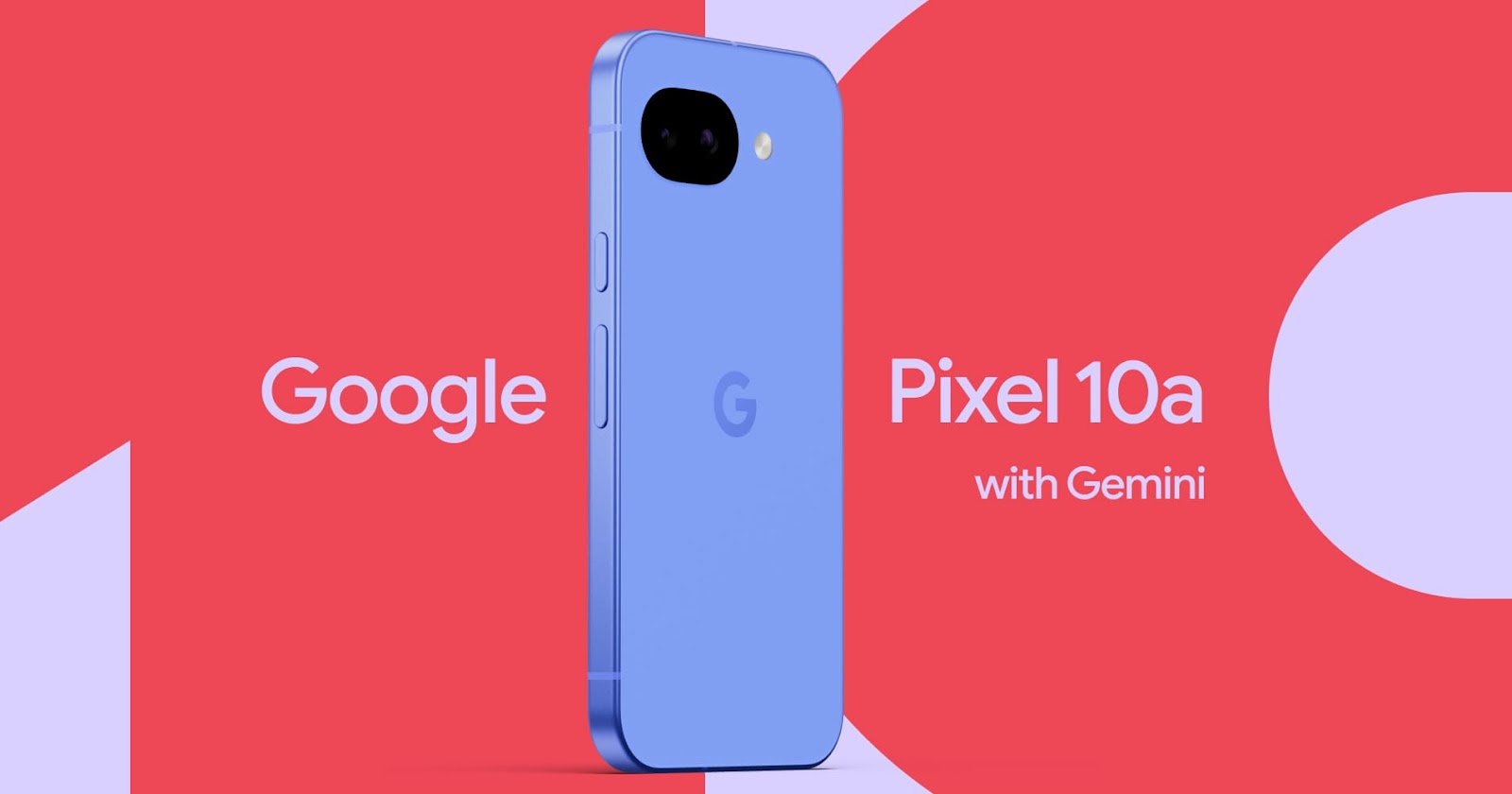 Tech News
Pixel 10a Now $599 vs Galaxy A57 & iPhone 17e: Still Worth It?
Google quietly raised the Pixel 10a from $499 to $599 in early October, and Samsung pushed the Galaxy A57 up to $599.99 the same week. That puts three "budget" phones at the same $599 starting price as the iPhone 17e. Here is what changed, how the three compare, and which one makes sense now.
Read →