
OnePlus Pad Lite vs Xiaomi Black Shark Pad 7 Pro: Which One Should You Buy?
These two are too close to call on BeastScore — the right choice depends on what matters to you.
OnePlus Pad Lite
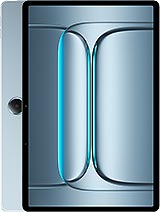
Xiaomi Black Shark Pad 7 Pro
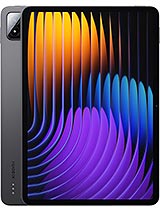
Too close to call: 0 of 5 categories each
Here's exactly where each phone is stronger.
Bigger shape = better phone.
Scores out of 100. How we score
- SpeedTie7979
- CameraTie8080
- VideoNot enough data
- SelfieNot enough data
- BatteryTie9595
- DisplayTie9494
- ConnectivityNot enough data
- SecurityNot enough data
- ValueTie8585
Why buy each phone
Swipe ⇄OnePlus Pad Lite and Xiaomi Black Shark Pad 7 Pro are evenly matched
It's a close call: both phones score almost the same, so pick the one whose design and price suit you.
Larger battery: 9,340 mAh vs 8,800 mAh
Reliable all-round performance.
Common questions
Which is better: OnePlus Pad Lite or Xiaomi Black Shark Pad 7 Pro?
It's a close call: both phones score almost the same, so pick the one whose design and price suit you. BeastScore: OnePlus Pad Lite 85.3/100, Xiaomi Black Shark Pad 7 Pro 85.3/100.
What are the main battery and display differences between OnePlus Pad Lite and Xiaomi Black Shark Pad 7 Pro?
OnePlus Pad Lite has a 11-inch display and 9340 mAh battery. Xiaomi Black Shark Pad 7 Pro has a 11-inch display and 8800 mAh battery.
How do OnePlus Pad Lite and Xiaomi Black Shark Pad 7 Pro compare for speed?
OnePlus Pad Lite scores 79/100 for performance; Xiaomi Black Shark Pad 7 Pro scores 79/100.
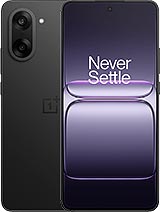
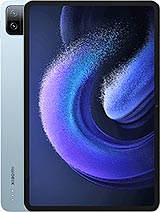
Similar Smartphones




More Smartphones comparisons
OnePlus Pad Lite vs Galaxy A57 5G
Xiaomi Black Shark Pad 7 Pro vs Galaxy A57 5G
OnePlus Pad Lite vs Apple iPad Air 11 (2024)
Xiaomi Black Shark Pad 7 Pro vs Apple iPad Air 11 (2024)
OnePlus Pad Lite vs Google Pixel 11 Pro XL 5G
Xiaomi Black Shark Pad 7 Pro vs Google Pixel 11 Pro XL 5G
OnePlus Pad Lite vs OnePlus Nord CE5 5G
Xiaomi Black Shark Pad 7 Pro vs OnePlus Nord CE5 5G
Gear for the OnePlus Pad Lite
All Amazon Finds →Related articles
All articles → Copilot+ PC Silicon Deep Dive
Intel Lunar Lake (Core Ultra 200V) vs. AMD Strix Point (Ryzen AI 300) vs. Qualcomm Snapdragon X Elite: The Definitive Copilot+ PC Silicon Architecture, Battery Life, NPU, and x86 vs. ARM Benchmark Showdown (2026)
An exhaustive 3-way architectural breakdown pitting Intel's Memory-on-Package Lunar Lake (Core Ultra 7 258V / 288V), AMD's Zen 5 / RDNA 3.5 Strix Point (Ryzen AI 9 HX 370), and Qualcomm's ARM Oryon Snapdragon X Elite against each other across IPC, multi-threaded efficiency, gaming FPS, local NPU TOPS, and real-world 20+ hour battery life.
Read → Flagship Showdown
Samsung Galaxy Z Fold6 vs. Google Pixel 9 Pro Fold vs. Honor Magic V3 vs. OnePlus Open: The Definitive Flagship Foldable Architecture, Hinge Engineering, Crease-Free Displays, and Camera Benchmark Showdown (2026)
An exhaustive microarchitectural breakdown, hinge mechanism durability, crease analysis, dual-screen multitasking benchmarks, and periscope camera shootout across the 4 premier book-style foldables of 2026.
Read →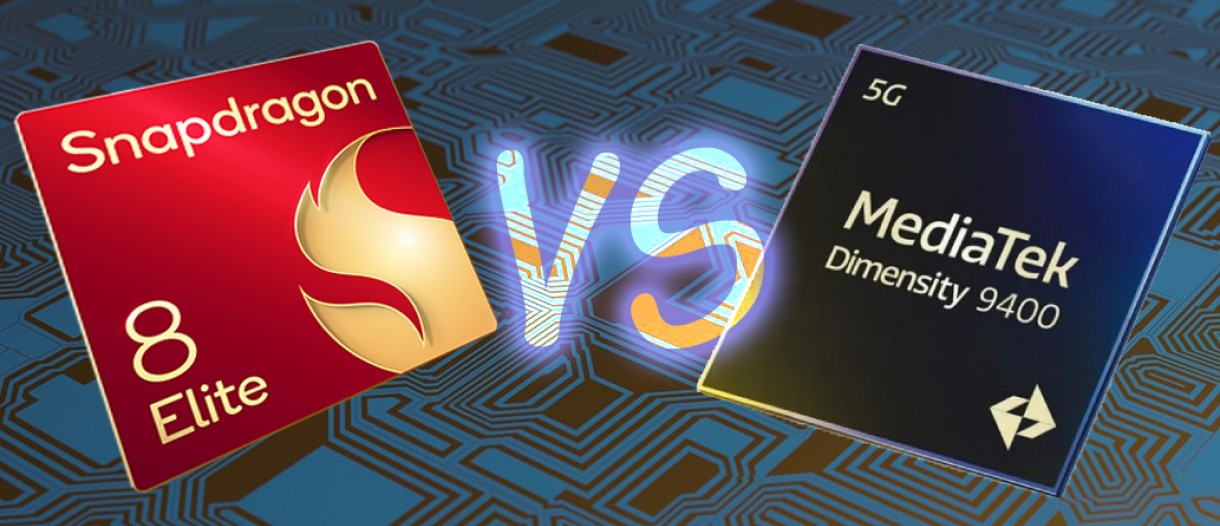 Flagship SoC Architecture
Snapdragon 8 Elite vs. MediaTek Dimensity 9400 vs. Apple A18 Pro: The Definitive 3nm Mobile Silicon Architecture, GPU Ray Tracing & Gaming Benchmark Showdown (2026)
An exhaustive 3nm architectural deep dive comparing Qualcomm custom Oryon CPU, MediaTek All-Big-Core Dimensity 9400, and Apple A18 Pro—covering microarchitecture, Adreno 830 vs Immortalis-G925 ray tracing, NPU compute, thermal throttling, and real-world gaming frame rates.
Read →